‘Heavy-handed’: PM’s data centre plan faces pushback
A plan to force AI data centres to provide renewable energy will be the centre of talks at national cabinet, with two jurisdictions already opposing it.
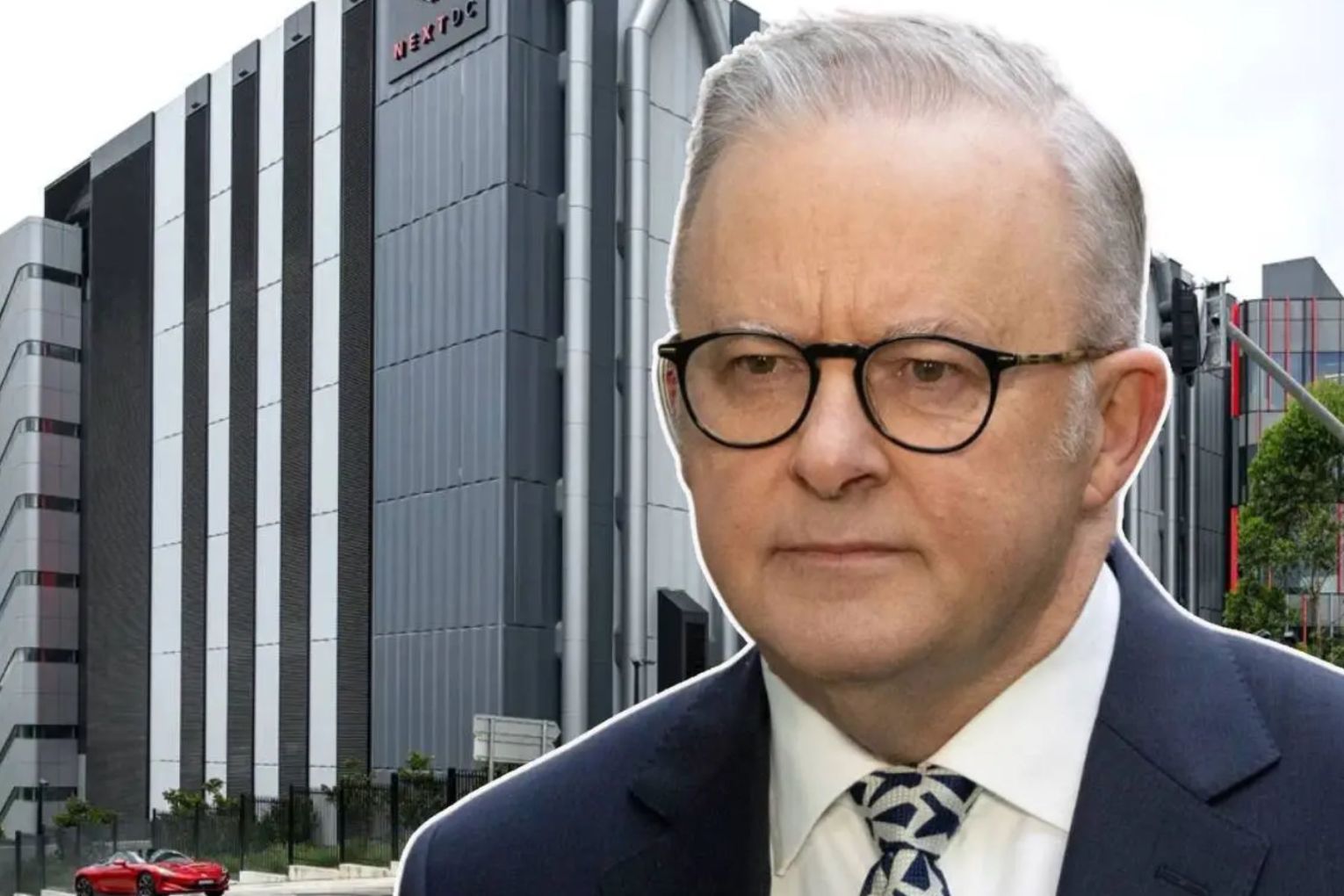
Anthony Albanese is staring down a challenge from leaders from two Australian jurisdictions on his looming regulations for artificial intelligence data centres.
The prime minister will host Wednesday’s national cabinet meeting in Sydney, which will focus on a national agreement on data centre regulation, including a contentious mandate for developers to provide renewable energy.
Northern Territory Chief Minister Lia Finocchiaro said the federal government was being overbearing on the approach to AI.
“What they should not be doing is trying to impose rules on states and territories when they, under their own steam, are able to make these decisions for themselves for their people,” she told ABC Radio on Wednesday.
“We don’t need the federal government coming in heavy-handed and trying to dictate to states and territories how they should be developing data centres or not, and what energy mix they should be using.”
The chief minister said the territory’s Beetaloo Basin gas reserve would be more than adequate to power data centres.
You might like


“We can properly provide the energy in abundance to every Australian, to every data centre, to every ally that needs it,” she said.
“That’s the scale of the resource we’re sitting on, which is why we need a different approach for the territory.”
But Industry Minister Tim Ayres said the AI regulation ensured there was not a race to the bottom on the technology.
“It’s absolutely essential as we rebuild and modernise our electricity system, that Australia doesn’t go backwards in terms of our electricity system,” he told ABC Radio.
“This is a big challenge and a big opportunity for Australia. If we lean back and and miss the opportunity, that has negative consequences for our economy.”
The minister denied suggestions investment in AI would be stifled if there were constitutional disputes between the federal government and states on differing AI approaches.
“These AI standards are all about making sure that Australia maximises the advantage, maximises the right kind of investment in the right places,” he said.
Maintaining social licence was essential for attracting data centre investment, Albanese said.
Stay informed, daily
But AI expert Toby Walsh said developers of data centres had failed on this front.
“They’re rapidly losing the public’s consent for what they’re doing,” the University of NSW professor said.
“As they have already lost in the United States, where many states have actually put a moratorium on building new data centres.”
The Australian Energy Market Operator reported 165 data centres in operation across Australia with 225 in development.
Prof Walsh welcomed Labor’s proposed guardrails, but said it was a shame the government missed the boat to properly regulate the projects and prepare the workforce.
“I would love to see it grandfathered, but I can understand why the government will be very reluctant to do that,” he said, citing likely legal challenges over additional costs.
“One of the things the data centres require is vast numbers of smaller keys, electricians to build because they’re full of electrical kit.
“But there won’t be many jobs once they’re running. It’s, you know, a security guard and his dog to run a data centre.”
Assistant Technology Minister Andrew Charlton said the renewable energy rules for data centres were essential to not pushing up power prices.
“Our concern with Queensland’s approach is that if the data centres, which are really hungry users of energy, use existing sources of energy, like existing coal-fired power or existing gas from the reservation, that’s competing with households,” he told Seven’s Sunrise.
-with AAP
Want to see more stories from InDaily SA in your Google search results?
- Click here to set InDaily SA as a preferred source.
- Tick the box next to "InDaily SA". That's it.