Return of Adelaide bull-riding show attracts activists ire
Concerns over animal welfare have been triggered as bull riders return to Adelaide after a seven-year lull, but its organisers say their health is a top priority.
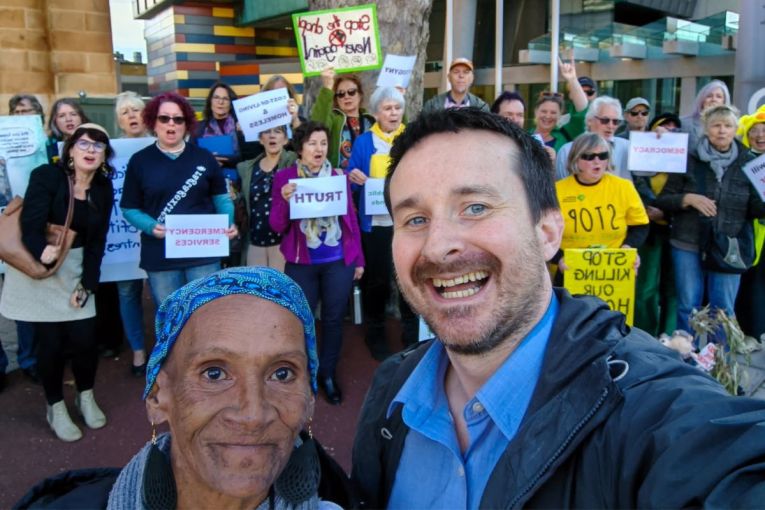
Dozens of animal welfare campaigners are planning to rally on the steps of the Adelaide Entertainment Centre on Saturday night to protest the return of a professional bull-riding event.
But organisers say the welfare of livestock “is a fundamental priority and is built into every aspect of our events”.
It is the first time the Professional Bull Riders (PBR) event has returned to Adelaide in more than seven years, with previous events sparking backlash from RSPCA and animal welfare advocates over potential injuries to bulls.
Social media posts promoting the protest, which is being organised by Animal Liberation SA, have since gained hundreds of likes and comments.
“Their bucking is a response to fear, discomfort and distress – not a willing performance,” an Animal Liberation SA social media post said.
“[Animal Liberation] is speaking up for bulls who have no say in being provoked and frightened in front of large crowds for profit.”
Animal Liberation SA campaigner Padma Chaplin told InDaily more than 40 protesters were expected to attend.
You might like

“When an animal is confined, agitated and then released into an arena solely so that its panic can be marketed as entertainment, we are no longer looking at sport,” Chaplin said.
“We’re not protesting athleticism, we’re not protesting tradition, we’re actually protesting the normalisation of an animal’s fear as family entertainment, and we’re asking this community to look honestly at what it is actually cheering for.”
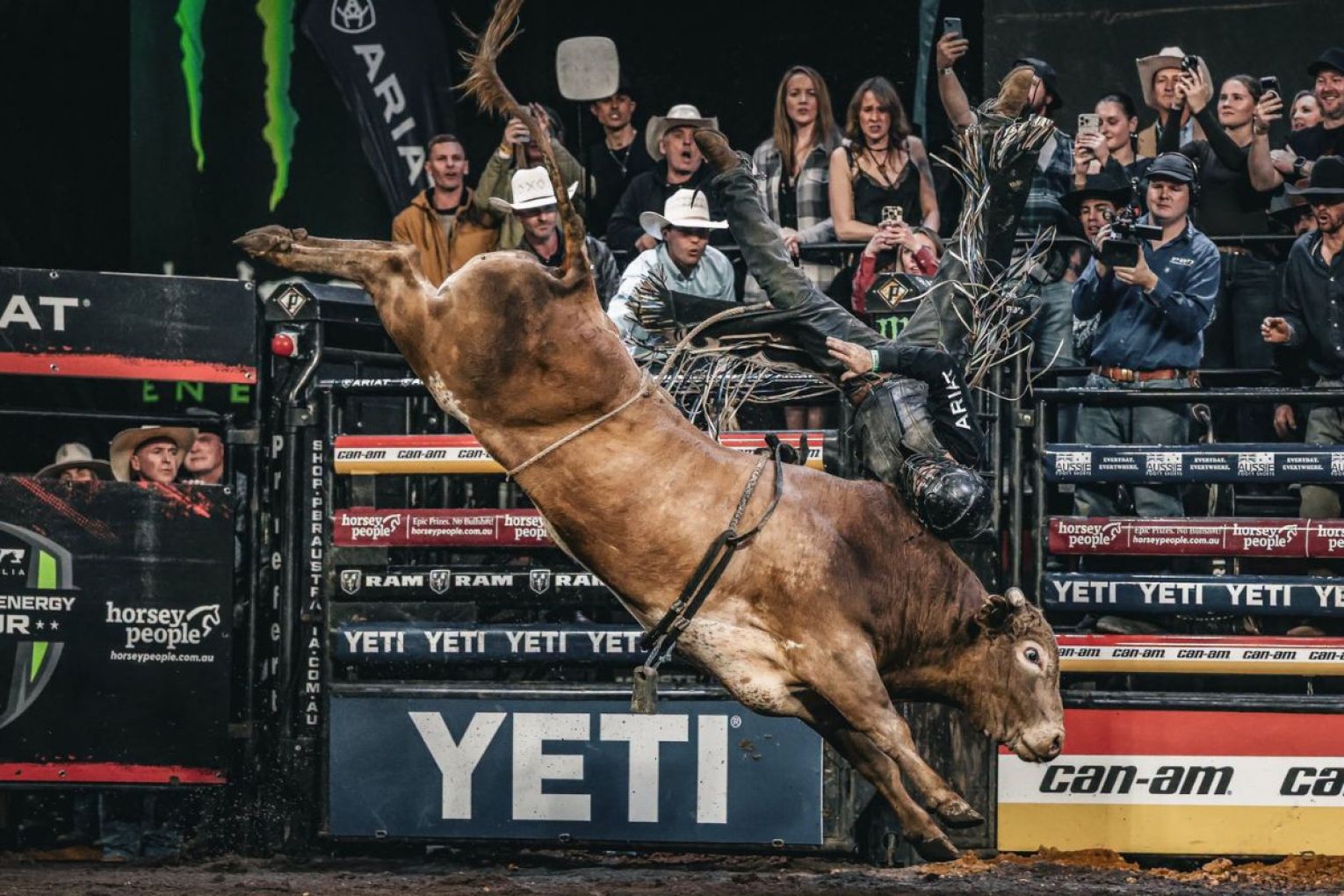
The PBR event features professional attempt to ride on top of a bucking bull for eight seconds with one hand in the bull rope and one in the air. The sport has grown in popularity across Australia, with this weekend’s Adelaide show sold-out.
RSPCA’s rodeo expert Dr Di Evans told InDaily the bull-riding events pose “huge risks of pain and injury” for the animals and “negative mental impacts from fear and stress”.
“Animal welfare isn’t just about preventing cruelty; it’s actually about ensuring that animals have positive experiences, we don’t see evidence of positive experiences for bulls in these bucking events, but we see plenty of evidence of negative experiences,” Evans said
“One of the things about bulls is the excess stringy saliva that you see, and when you see that, it’s a really strong indicator of a stress response.
“With rodeo, you would have to drastically change the whole nature of the sport for it to be okay for animals. So when we’re in that situation, there really isn’t room to move, and so the the only option is to ban the sport.”
The RSPCA has raised concerns in the past that rodeo and bull-riding events are “promoted as family-friendly entertainment” which encourages children to “applaud the cruel way animals are treated”.
Stay informed, daily
But Evans said the increase in community awareness and concern about the use of animals in sport was “definitely trending upwards”.
“You just have to look at greyhound and horse racing and equestrian, and there’s just been such a big focus on some of these impacts that these sports have on the animals,” Evans said.
In December 2017, a bull suffered a broken leg and had to be euthanised during an event in Adelaide, sparking backlash from animal advocacy organisations including the RSPCA.
Protests then followed in 2018 and 2019 during the return of the PBR events in Adelaide.
A spokesperson for PBR Australia said the organisation was aware of the protest and respected the rights to “express their views peacefully and lawfully” and that suggestions of cruelty to the bulls does “not reflect the facts of how PBR operates”.
“The welfare of our livestock is a fundamental priority and is built into every aspect of our events,” the spokeswoman said.
“The bulls competing in PBR are elite performance animals, selectively bred for bucking, which is a natural behaviour. The bulls are born to buck – it’s in their DNA.”
The PBR Australia spokesperson said that any concerns regarding an animal’s welfare is “taken seriously and addressed promptly”
“Their health, fitness and welfare are essential to the sport and are carefully monitored before, during and after competition,” a spokeswoman said.
“A range of measures are in place before, during and after competition. These include veterinary oversight, trained livestock handlers, appropriate facilities, inspections and ongoing monitoring.
“Strict rules govern the handling and treatment of the bulls, and an animal will not compete if it is considered unsuitable or requires attention.”
Bull-riding and other rodeo events were banned in the Australian Capital Territory in 1992 following the passing of the Animal Welfare Act 1992.
The events remain legal and active in South Australia and all other states and territories.
Deaths of bulls during bull riding events remain rare, averaging less than one per year in major organisations like PBR.
Want to see more stories from InDaily SA in your Google search results?
- Click here to set InDaily SA as a preferred source.
- Tick the box next to "InDaily SA". That's it.