Bid for caravan parks and aged care at historic Hills barracks
Proposals for the old Woodside Barracks are flooding in as defence officials hold meetings over plans to sell off a substantial chunk of Adelaide Hills land.
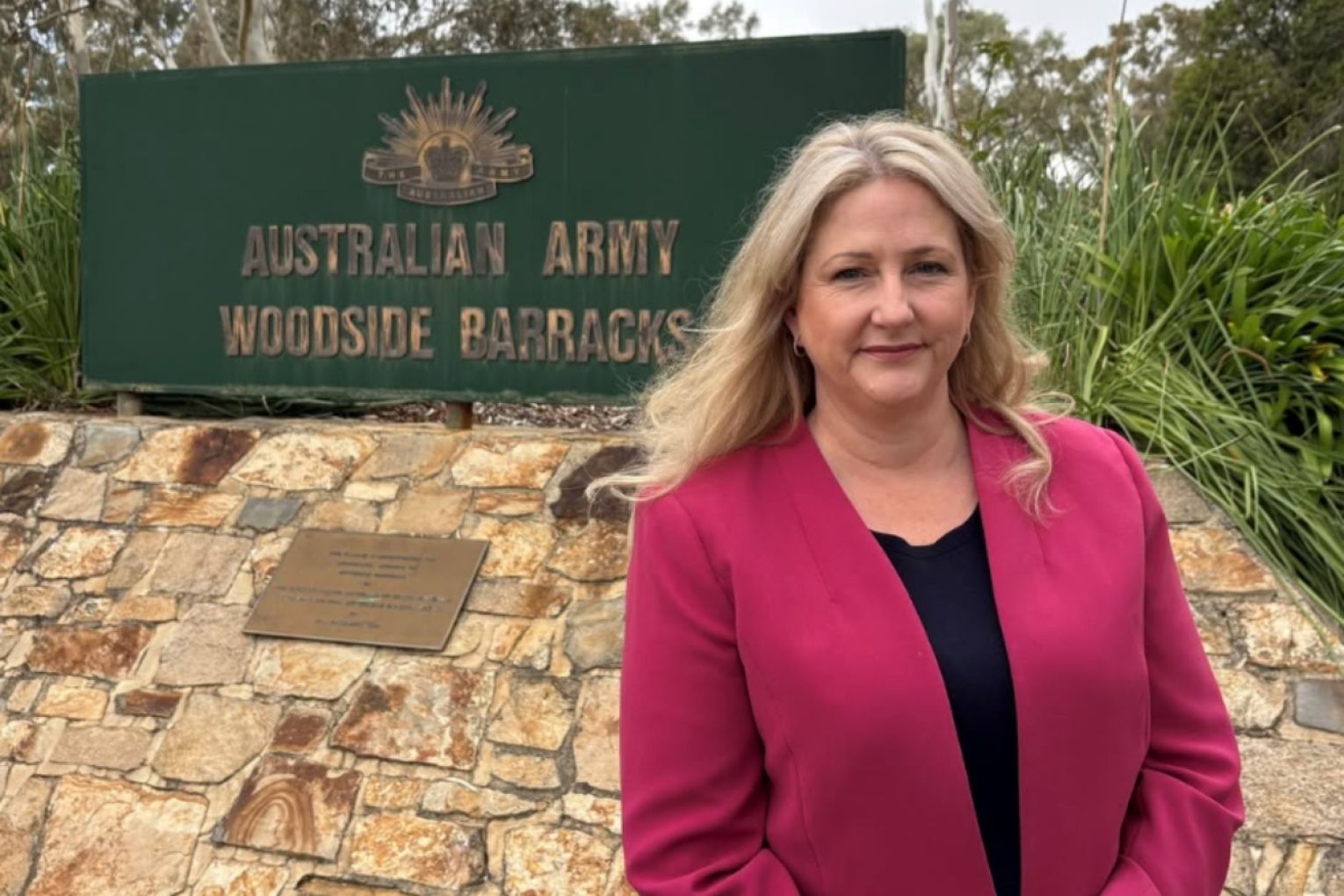
A Woodside Barracks Community Group is pushing for tourism and aged care opportunities for the future of an almost 100-year-old military site after the federal government announced it would be selling the barracks.
In February, the federal government announced it would be fully or partially selling 67 defence properties across the country in the “largest Defence estate divestment in Australian history”, claiming the move would bring in $1.8 billion for the defence budget and save taxpayers another $100 million a year in maintenance costs.
The plan includes selling the 145-hectare Adelaide Hills Woodside Barracks after it was handed over to the Finance Department, with the federal government then on the hunt for a buyer by June 2027.
In July, Khalil met with hundreds of Adelaide Hills locals who voiced their concerns about the barracks and provided ideas for the site’s future.
Member of the Woodside Barracks Community Working Group Adam Weinert said the meetings with government had been positive after the initial “shock and emotion” of the sale announcement. The group is urging the government to sell to buyers who would bring “economic benefit” to the region.
You might like

“Having some revenue coming in through tourism with a caravan park or an aged care facility are all things that we’re considering at the moment from the community,” Weinert said.
“The barracks have been a part of the fabric of the Adelaide Hills for so long that it deserves the community’s best efforts to make sure that we represent what its future is going to be like.
“People had accepted the fact that change is coming to the site, and were able to move forward with the idea that we need to band together, become brave, become adaptive, and become innovative as to what the future for that site holds.”
A nation-wide consultation process led by Assistant Defence Minister Peter Khalil with local communities, local government and key stakeholders is currently ongoing to see how “surplus Defence land can best deliver benefits for surrounding communities”.
As a former lieutenant colonel in the Australian Army, Weinert said the barracks were “sacred ground” to him and that the site deserved “a spot in the hearts of veterans and the community”.
“The heritage of the site needs to be preserved, but not at the expense of it being an amazing amenity to the Adelaide Hills into the future,” he said.
Stay informed, daily
“All of those functions can work together in harmony to give our grandchildren something to be proud of.”
The initial divestment announcement in February sparked concerns from the hills community and Federal Member for Mayo Rebekha Sharkie over the possibility of large-scale housing developments.
“Since the government announced it would be selling the Woodside Barracks, I’ve worked hard to ensure the community has been consulted on the future of the site,” Sharkie said.
She said keeping the site for community use and recreation facilities “would be the preferred outcome” and would protect “the wildlife and environmental values of the area”.
The state government has since allayed concerns that it would bid for the land to create new housing, with a spokesperson saying the government had “no plans to acquire this land” and would “not support any proposal to rezone this land for housing”.
“The Woodside Barracks sits within land zoned as Productive Rural Landscape,” the spokesperson said.
“Any rezoning of any land needs to be consistent with the Greater Adelaide Regional Plan. This means that even if a developer bought the land, they would not be able to build housing within this zoning.”
The site has a rich military history after being established in 1927 as a base for the training of light horse and infantry units and serving as battalion training facilities during the Second World War.
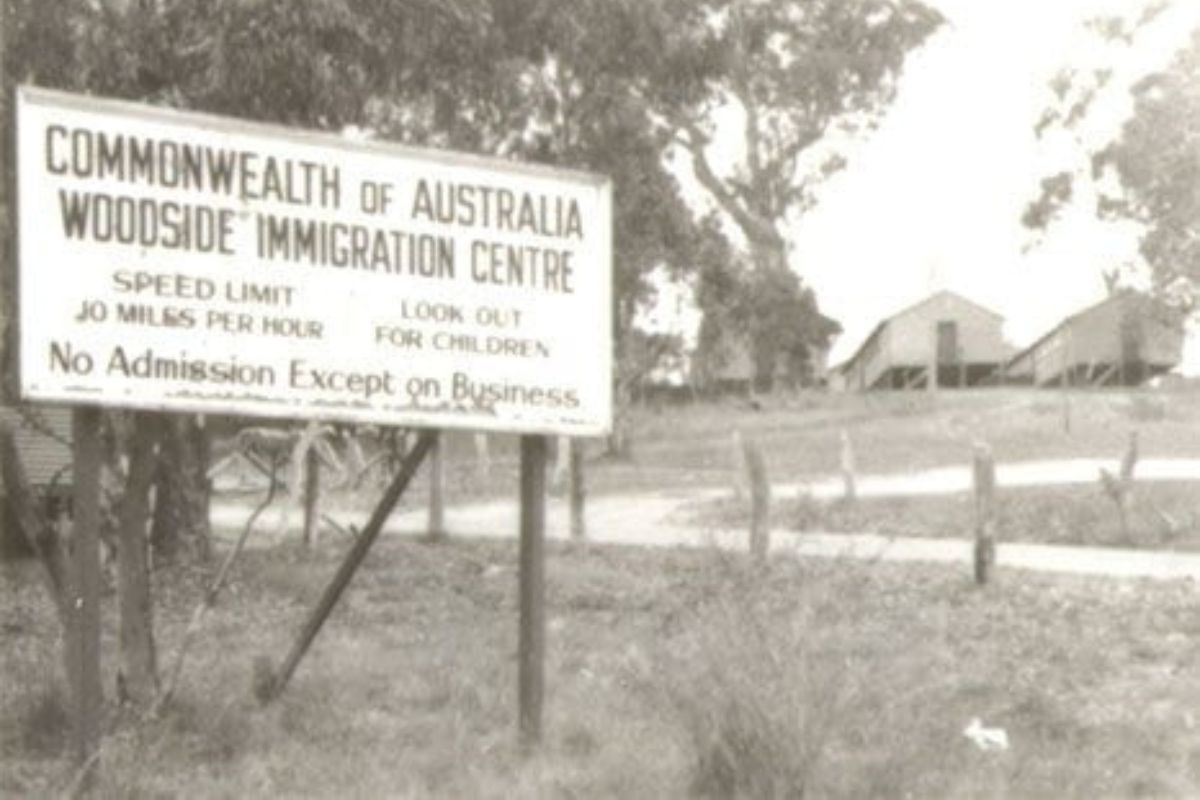
Following the war, it was converted into a refugee reception camp in 1949 where it could house up to 3000 people at a time. Across its 14 years as a refugee camp, the barracks saw about 26,000 displaced persons and assisted migrants pass through until it was shut in 1963.
The site is next door to the low-security Inverbrackie detention centre, which was in operation from 2010 to 2014 before it was sold off for housing in 2015.
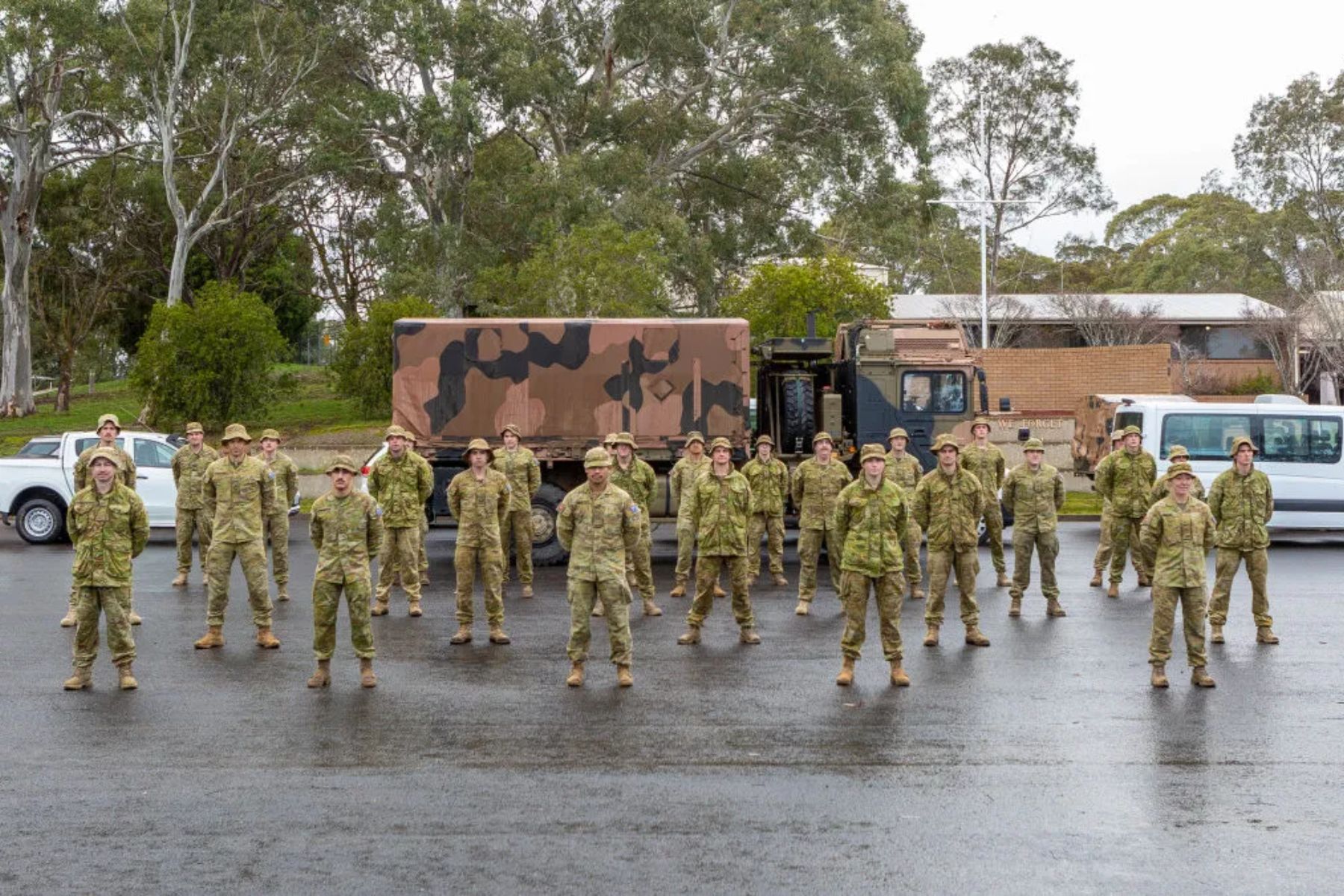
Woodside Barracks was home to the 16th Air Defence Regiment until 2025 before being relocated to the new RAAF Base Edinburgh site, and now serves as accommodation for Army Reserves and a training facility for more than 100 cadets.
Adelaide Hills Council is currently hosting community consultation sessions to form proposals that will be presented to the Finance Department and federal government.
Want to see more stories from InDaily SA in your Google search results?
- Click here to set InDaily SA as a preferred source.
- Tick the box next to "InDaily SA". That's it.