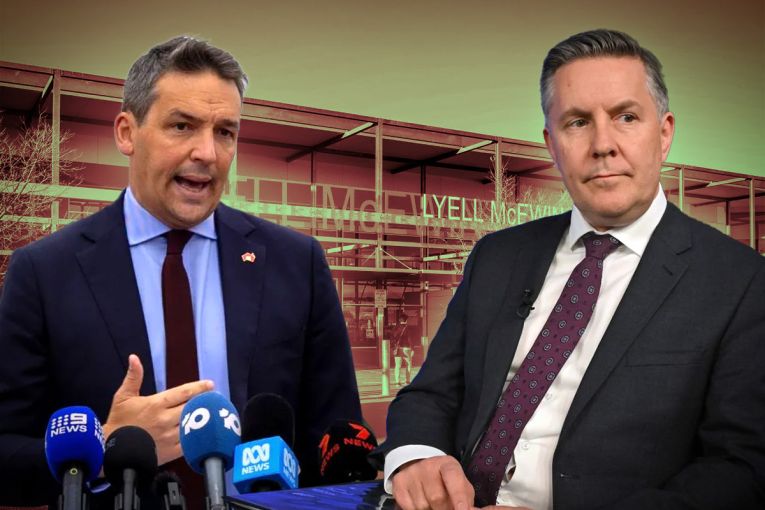
SA govt spearheads AI Royal Commission as cost questioned
After meeting companies behind ChatGPT and Claude AI, the Premier has announced a nation-first inquiry. The Liberal leader claims it looks like a “headline on the taxpayers dime”.
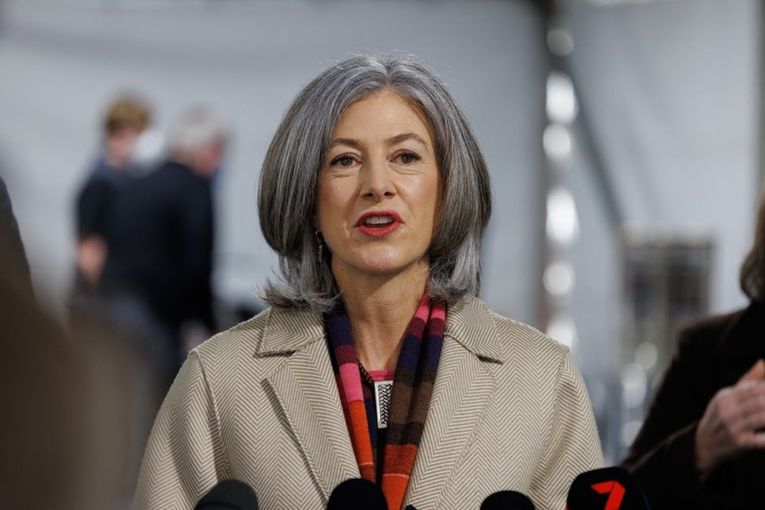
A nation-first royal commission will investigate the dangers and benefits of artificial intelligence in society, SA Premier Peter Malinauskas announced on Monday afternoon.
It comes after Malinauskas returned from the United States, where he held meetings with AI companies including OpenAI, Anthropic and Apple.
The terms of reference will be unveiled in four to six weeks, with an international search for three royal commissioners who will start work in October and report to the government by July 1, 2027.
“We want people with public policy experience thinking through issues of work and labour, but also people who obviously have a familiarity with technology and how it will inform the way people work into the future,” Malinauskas said.
Malinauskas said he had not yet spoken to Prime Minister Anthony Albanese about the inquiry.
The cost would be about $3 million – the same as what SA spent on its last Royal Commission into Domestic, Family, Sexual Violence – but Malinauskas said it would be “chicken feed” compared to the cost to society of the complex questions that AI raised.
“It is absolutely clear that the use of artificial intelligence is an exciting opportunity to advance the cause of humanity,” he said.
“But it is also true that, unchecked, artificial intelligence does represent a material risk to the way our society operates, and a risk to the future of work if not thought through carefully.”
You might like
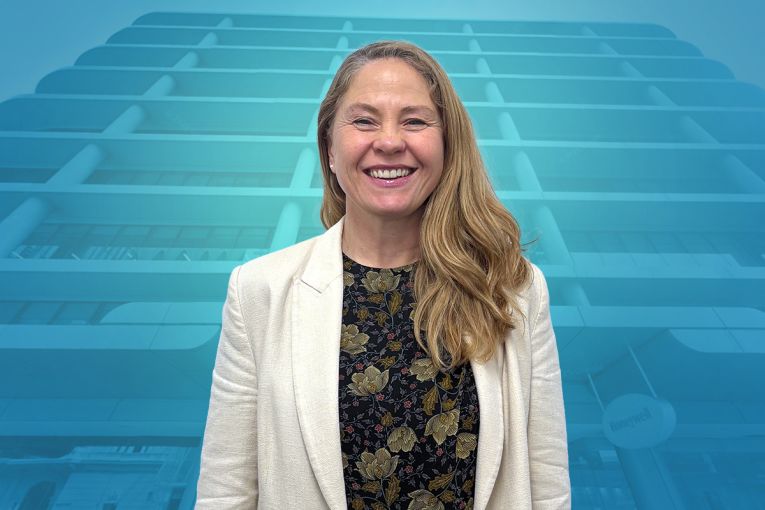

But State Liberal leader Ashton Hurn questioned whether the cost to taxpayers was necessary.
“There’s no denying that artificial intelligence is a technology shaping our future and governments need to be prepared for it, however this looks like a $3 million headline on the taxpayer dime that risks duplicating work Parliament has already done,” Hurn said.
“A parliamentary committee examined these issues, made 15 recommendations and specifically called for South Australia to work with the Commonwealth on clear, consistent and comprehensive national laws governing AI.
“Before the government spends another $3 million asking many of the same questions again, South Australians deserve an update on how many of those recommendations have actually been implemented.”
SA Unions have come out in support of the royal commission, saying a recent IPSOS poll found 53 per cent of workers think AI will make the job market worse in the next three to five years.
“Every South Australian industry and workplace will be affected by AI, and unions have been calling for a coordinated policy response from Government for years,” SA Union Secretary Dale Beasley said.
Seventy per cent of the meetings Malinauskas had in the US involved AI and its infrastructure.
“But data centres are simply an infrastructure play,” he said.
“The main game regarding artificial intelligence is … how the technology is deployed in our society.”
It comes after locals in Tailem Bend have raised concerns about major AI data centre proposals popping up without community consultation.
Stay informed, daily
A petition to keep data centres out of South Australia circulated in June, after AI infrastructure company Firmus Technologies purchased land in Tailem Bend and Port Augusta in May with the intent of building AI computing infrastructure worth many billions of dollars.
Malinauskas said only governments had the tools and resources to ensure people were at the centre of AI-related technologies and industries.
“We can choose to set the guardrails and the policy frameworks to ensure that we use AI in a way that puts people first, rather than people finding their world changing around them without their interests being heard,” he said.
Malinauskas said he had “started fiddling around” with Claude and ChatGPT.
“It’s impossible to not be utterly impressed by its capability,” he said.
Malinauskas visited OpenAI’s headquarters in San Francisco, where he signed a memorandum of understanding with its co-founder and president Greg Brockman.
OpenAI is the developer of ChatGPT, the world’s most popular generative AI chatbot.
He also met with Anthropic co-founder Tom Brown.
The federal government in April announced an MoU with Anthropic, creator of the Claude AI assistant.
Albanese has flagged plans to introduce legal requirements governing AI use and data centres. Albanese was expected to convene a meeting of the nation’s leaders later in August to discuss data centres and reach agreement on uniform standards.
Malinauskas said he hated the idea of a world where artificial intelligence usurped the creative industries and the beauty and the power of art.
“I hate the idea of kids graduating from high school and they’ve learned how to use ChatGPT, but not how to read, write and do arithmetic … or how to communicate with one another,” he said.
“We’ve got to get the balance right here.”
Malinauskas said the issue of AI was more consequential than social media, which the state government introduced a ban for under-16s.
“Frankly, I think AI gone bad will make social media look like a walk in the park,” he said.
– with AAP
Want to see more stories from InDaily SA in your Google search results?
- Click here to set InDaily SA as a preferred source.
- Tick the box next to "InDaily SA". That's it.