‘King of the North’: New British PM takes keys to Downing Street
Newly minted British PM Andy Burnham has begun unveiling his new team, making the man that pushed for a recent increase in UK defence spending as his new Finance Minister.
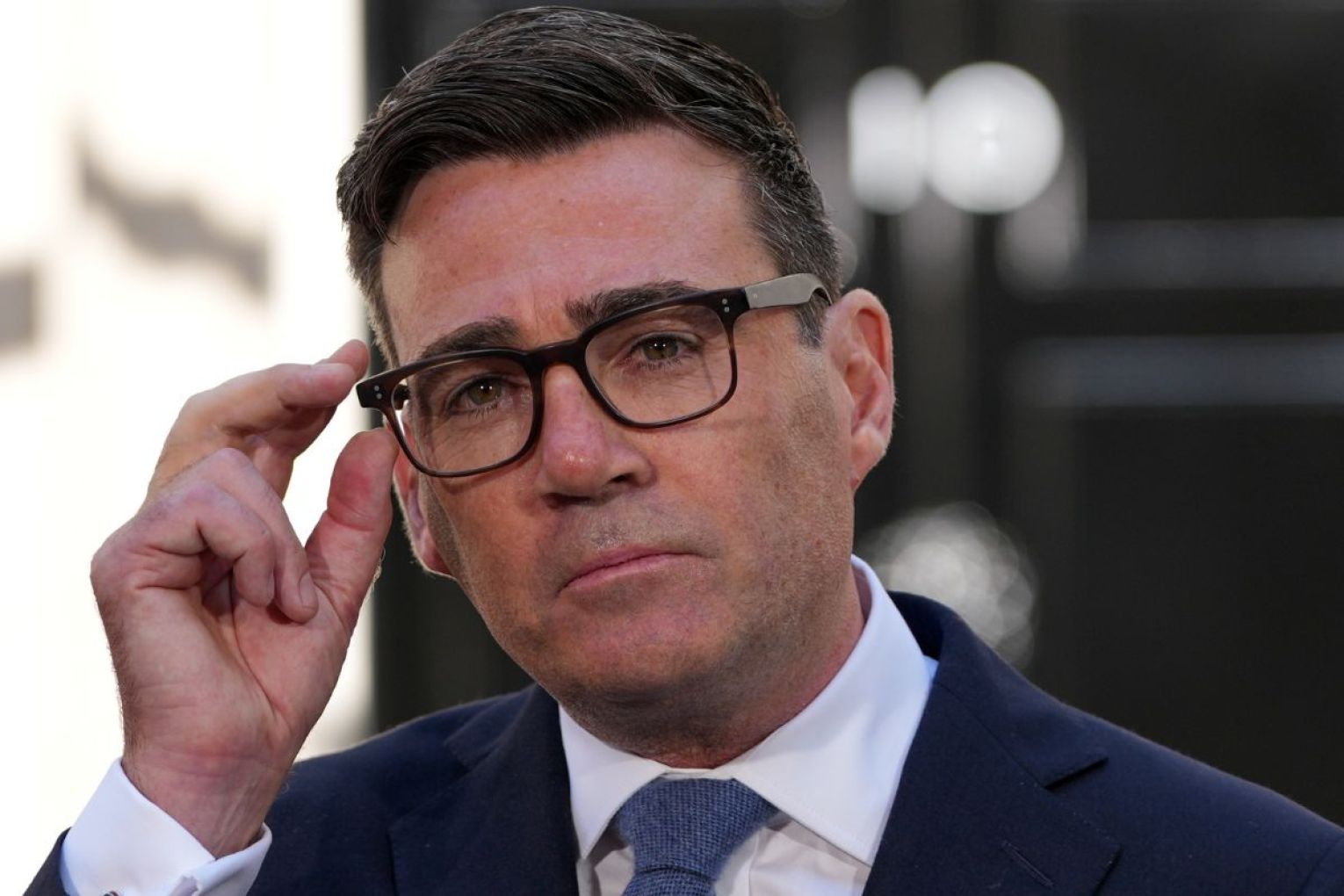
Newly minted British PM Andy Burnham has pledged to break with the politics of the past to deliver a new economic model to benefit a country “fed up” with a revolving door of leaders.
Burnham – dubbed the King of the North after a fiery speech over COVID restrictions in his role former job as Manchester Mayor – spoke to dozens of supporters outside his new office and residence at 10 Downing Street, as the UK’s seventh prime minister in a decade, late on Monday (local time).
He said politicians had failed to bring the stability needed to raise living standards, promising to change that with immediate policies and a longer-term plan to be drawn up later this year.
“I know people at home are fed up with politics. I hear you, and I want to be honest with you, we have not been good enough and we need to be better,” Burnham said.
“We will make this moment a circuit-breaker for Britain, bringing forward the biggest changes in the last 40 years. A new political model and a new economic model.”
Just over an hour after his predecessor and Labour colleague Keir Starmer made his farewell speech to say “My work is done”, the 56-year-old declared his team’s first priority would be to end rough sleeping.
Starmer, who was ousted by his own MPs about a month ago, said his work as PM was “the privilege of my life” and that he wished Burnham every success.
Burnham did not refer to Starmer in his speech, instead focusing on how he will rip up much of what went before, acknowledging his program would take time.
“Later this year, I will bring forward a new plan for Britain, a 10-year plan, laying out a plan from where we are now to where I believe we all want Britain to be, wherever we’re coming from, whatever party we support,” he said.
You might like
But he would also give people “some breathing space now” by setting out measures on Tuesday to tackle the cost of living, and how he will pay for them.
Beyond tackling homelessness, Burnham said he would build more public housing to help bring down welfare spending, which would help fund higher defence investment.
On Friday, Burnham described his election to become Labour leader as “the most significant change moment in our politics for 40 years”.
He promised to radically change the political system to help a country hungry for change become one where “life is more affordable and all people and places are lifted from where they are now”.
Labour MPs view him as one of the few politicians capable of tackling the threat from veteran Brexit campaigner Nigel Farage’s populist Reform UK – something they doubted the unpopular Starmer could do.
On Sunday, Burnham scrapped plans for all employees to be required to hold a digital identity document. The idea was designed to tackle illegal migration but had been deemed a “fiasco” by a cross-party committee of MPs.
More attention will be paid to decisions on taxation and spending, oil and gas, and underperforming utility companies, where Burnham wants stronger public control.
New ministers
John Healey, the former UK defence minister who helped to trigger the departure of Keir Starmer by accusing him of failing to spend enough money on keeping the country safe, has been named as finance minister.
Widely liked by colleagues, Healey, 66, will now have to find more money to spend on defence while also investing in other key areas such as health and welfare.
Healey had not been seen as a likely candidate for the key finance role, formally known as the chancellor of the exchequer, but he worked as a junior minister in the Treasury department from 2002 to 2007.
He served in government under the three most recent Labour prime ministers, starting with Tony Blair, and in opposition under two other leaders.
Stay informed, daily
From 2002 to 2007 he worked as a junior minister in the Treasury department under Gordon Brown.
People familiar with the decision said that Healey and Burnham had similar outlooks on the need to maintain economic stability and the need to drive growth by devolving power across the country, helping people with the cost of living and building up the United Kingdom’s industrial base.
As defence minister, Healey spent months lobbying Starmer and the finance ministry to lay out a pathway to spend three per cent of GDP on defence by 2030, rather than the 2.68 per cent that the government eventually had budgeted for.
The unexpected resignation by Healey, who was a loyal ally of Starmer and one of the government’s most experienced ministers, was a significant blow to the then-prime minister, who announced his resignation less than two weeks later.
Healey said Starmer had been “unable” and the Treasury “unwilling” to find the money to keep the country safe.
There was little major market reaction to the news of his appointment and the initial reaction among analysts was positive.
Burnham announced Wes Streeting would be defence secretary.
The former health secretary resigned in May after stating he had lost confidence in Starmer’s leadership.
Earlier in the day, Burnham said he would never take risks with the economy and re-committed to a pledge to stick to the previous government’s fiscal rules.
Burnham has promised measures to help with the cost of living while sticking to the fiscal rules, chief among them a pledge to balance day-to-day spending with revenue by the end of the decade, and to election pledges not to raise taxes on working people.
Energy secretary and former Labour leader Ed Miliband, who had once been considered a frontrunner to become finance minister, was appointed foreign secretary.
Burnham kept interior minister Shabana Mahmood in her role, meaning she could press on with her reforms to try to control illegal immigration.
Mahmood said on X the post of Home Secretary was “the best job in the business”.
– with AAP and PA
Want to see more stories from InDaily SA in your Google search results?
- Click here to set InDaily SA as a preferred source.
- Tick the box next to "InDaily SA". That's it.