Modernist church and home join state’s heritage register
Exclusive: Two modernist buildings are the latest additions to the state’s heritage register, as a growing number of mid-twentieth-century buildings face the wrecking ball.
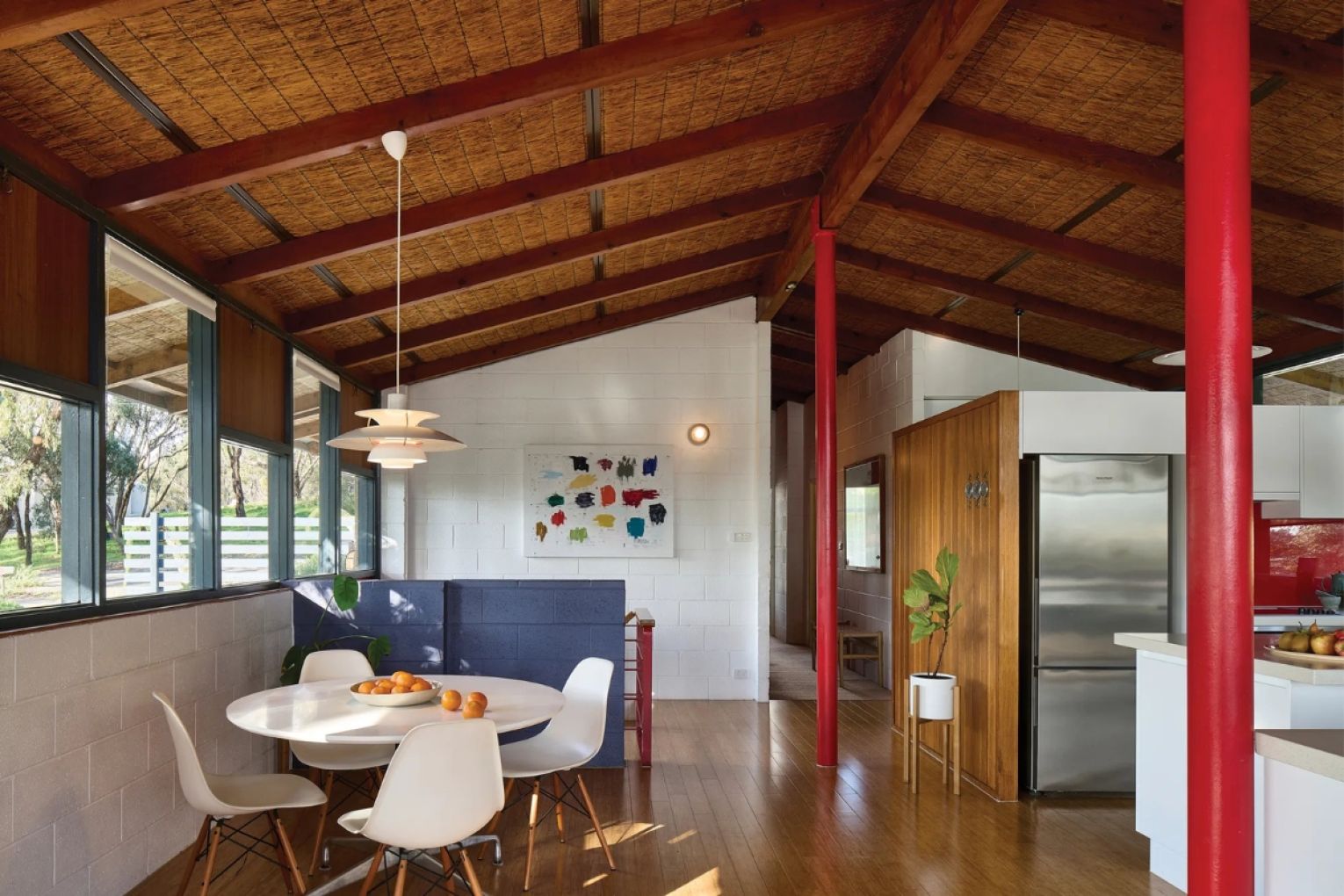
Strait Gate Lutheran Church and Neighbour House have been added to the state heritage register, growing the number of modernist buildings receiving protection in recent years.
David O’Loughlin, who is chair of the Art Deco and Modernism Society of Australia and president of its SA branch, said that 20th-century architecture was still underrepresented on heritage registers.
“People seem to think that anything that happened after the pioneers is not as relevant,” he said, saying that many modernist buildings, such as the former Woodley Wine’s cellar door in Glen Osmond, face the wrecking ball due to the lack of protection.
“We (at the Art Deco and Modernism Society) believe that the way Australia responded to the technological revolution in the early 20th century and the international forces in a design sense that were in play, particularly between World War I and the 1970s, were extraordinary and are represented in some terrific architecture.
“That story needs to be understood at a higher level, and items that enable that story to be told on the ground need to be recognised and protected so that you know the story of Australia’s adaptation to those modern forces can be recognised and told for decades to come.”
Modernist Adelaide founder Stuart Symons added that “the recognition of modernist places reflects a broader appreciation of great architecture, regardless of when it was built”.
You might like
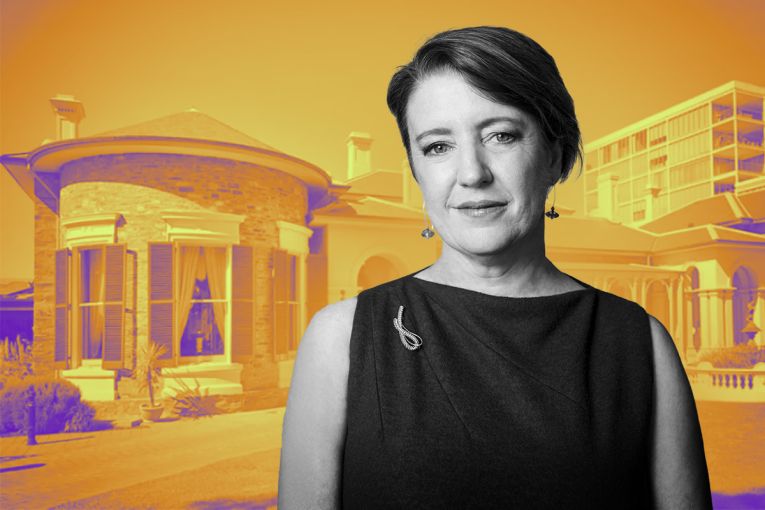
Located at 412 Light Pass Road near Nuriootpa, Strait Gate Lutheran Church opened in 1961 and was designed by architect Eric von Schramek, who is noted for his contribution to modernist church architecture in South Australia.
According to the Statement of Heritage Significance, the Strait Gate Lutheran Church “is an outstanding, highly innovative example of late twentieth-century ecclesiastical Modern Movement architecture in South Australia”.
“Strait Gate Lutheran Church articulates many key attributes of late twentieth century ecclesiastical architecture, including a radical plan shape; a distinctive roof in the form of a double-butterfly gable; and the adoption of commonplace materials such as cream face brick, tile and clear-finished timber,” the statement goes on.
O’Loughlin said Strait Gate Lutheran Church was “an extraordinary example of modern design in modern churches”.
“It’s a striking pose in the main road of Light Pass, and it presents incredibly well to the street,” O’Loughlin, formerly the City of Prospect Mayor, said.
“The use of cream brick is also very well executed, and the interior is largely intact, as I understand it, so it’s a fabulous example of church design in the modernist mid-century era.”
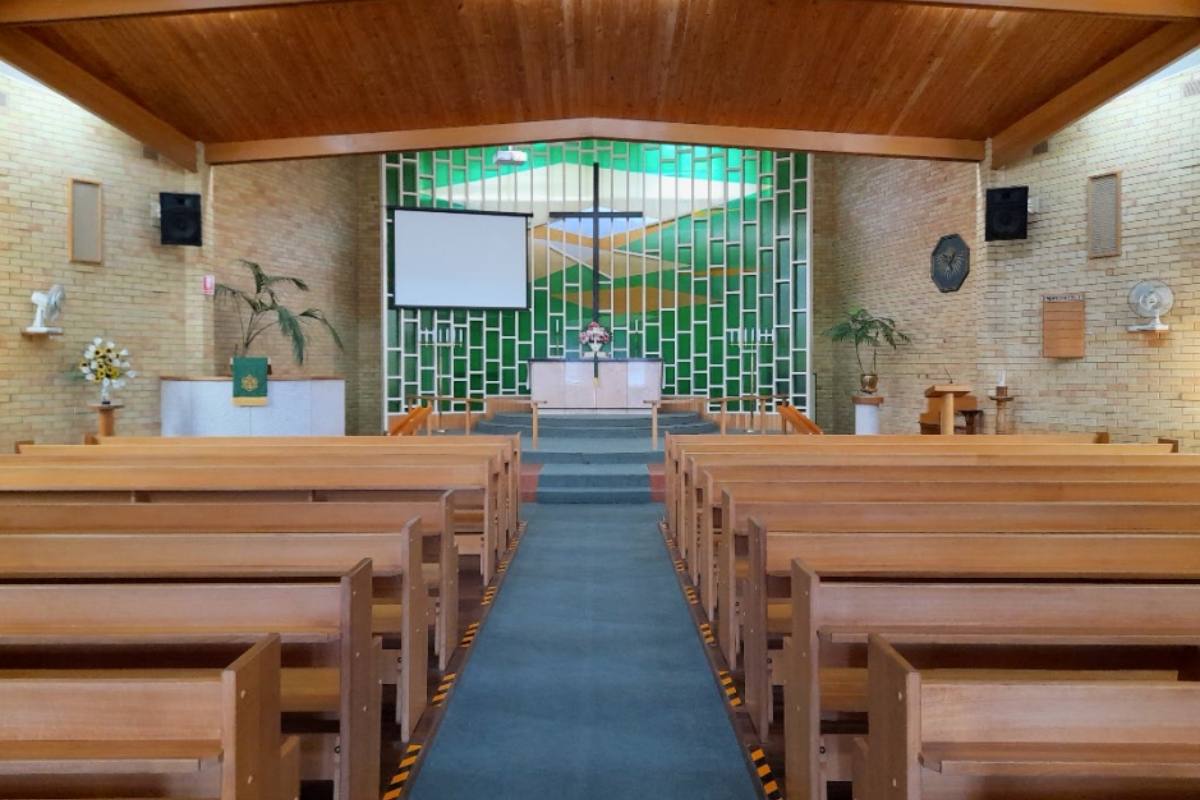
Symons said Strait Gate Lutheran Church “is a great example of modern church architecture and demonstrates how modern design was embraced by religious organisations during the post-war period”.
Stay informed, daily
Among the other buildings designed by the noted Czechoslovakian-born architect was the now-demolished Maughan Church on Franklin Street and the Brutalist Immanuel Lutheran College Chapel.
He was also involved in designing Westpac House on Currie Street, Qantas House on North Terrace and the SGIC building on Victoria Square.
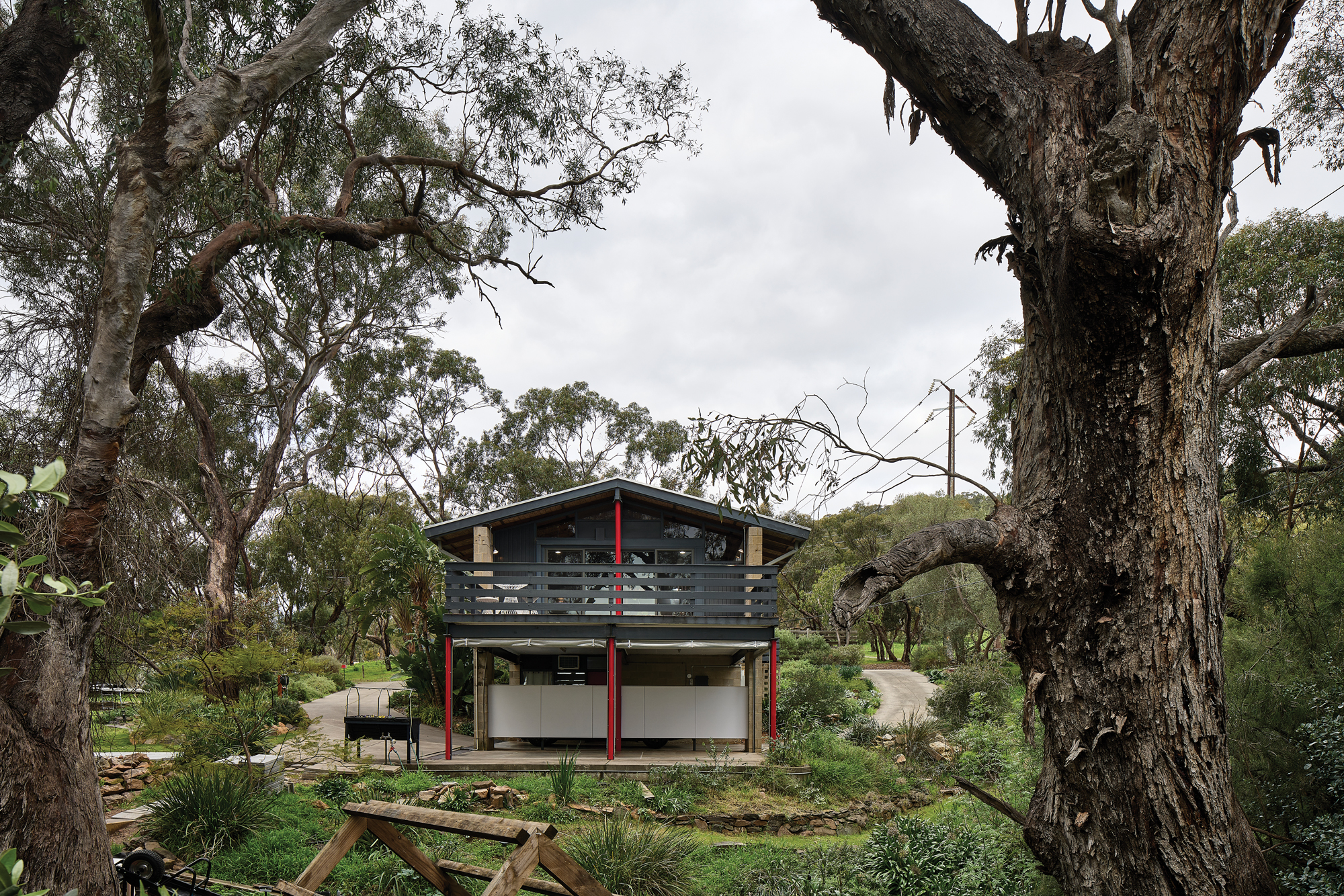
Meanwhile, according to a heritage statement for Neighbour House, it “demonstrates a high degree of creative and aesthetic accomplishment”.
The family home was built in Torrens Park between 1956 and 1958 by prominent South Australian architect Keith Neighbour, who was involved in designing buildings such as the Highways Department in Walkerville, IMFC House on King William Street and Adelaide University’s Ligertwood building.
“Designed early in his career, Neighbour’s modernist influences are conveyed by the house’s clear functionality, honest expression of structure and materials and rejection of superfluous ornamentation,” the statement reads.
“Moreover, its siting and integration of natural elements show his strong appreciation for landscape architecture and adaptation to the environment.”
O’Loughlin said that Neighbour House had barely changed since it was built and was innovative in its use of Besser Block, which was a new product at the time.
“His house was relatively simple in design, but a really honest use of materials in its day and has stood the test of time,” he said.
“It has a very rectilinear shape, it’s a very efficient floor plan, minimal use of structural steel, exposed bracing, and originally, a window frame arrangement and colour palette inspired by modern art in its day, like almost Mondrian in its appearance.”
Symons said Neighbour House was “one of South Australia’s significant post-war homes and an outstanding example of modernist residential architecture”
“The Neighbour House captures many of the qualities that define great modernist architecture: natural light, connection to landscape, thoughtful planning and beautifully crafted spaces,” he said.
According to the State Government, it “has been actively assessing places that were erected in the second half of the 20th Century as this was an identified gap in the Register, being about one per cent of all listings”.
“A place does not necessarily have to be old to be protected – it can be of value for reasons of history, social and cultural importance, design merit or rarity,” a government spokesperson said, adding that there are more than 2350 State Heritage Places.
“From a planning perspective, the government has increased heritage protections across a number of suburbs and has worked with local councils through grant funding to better protect the state’s heritage and streetscape.”
Want to see more stories from InDaily SA in your Google search results?
- Click here to set InDaily SA as a preferred source.
- Tick the box next to "InDaily SA". That's it.