Detector dogs and thermal imaging see KI lead world in feral breakthrough
A post-bushfire cull using a suite of thermal imaging, detector dogs and baiting have delivered world-leading results for pristine habitat on Kangaroo Island.
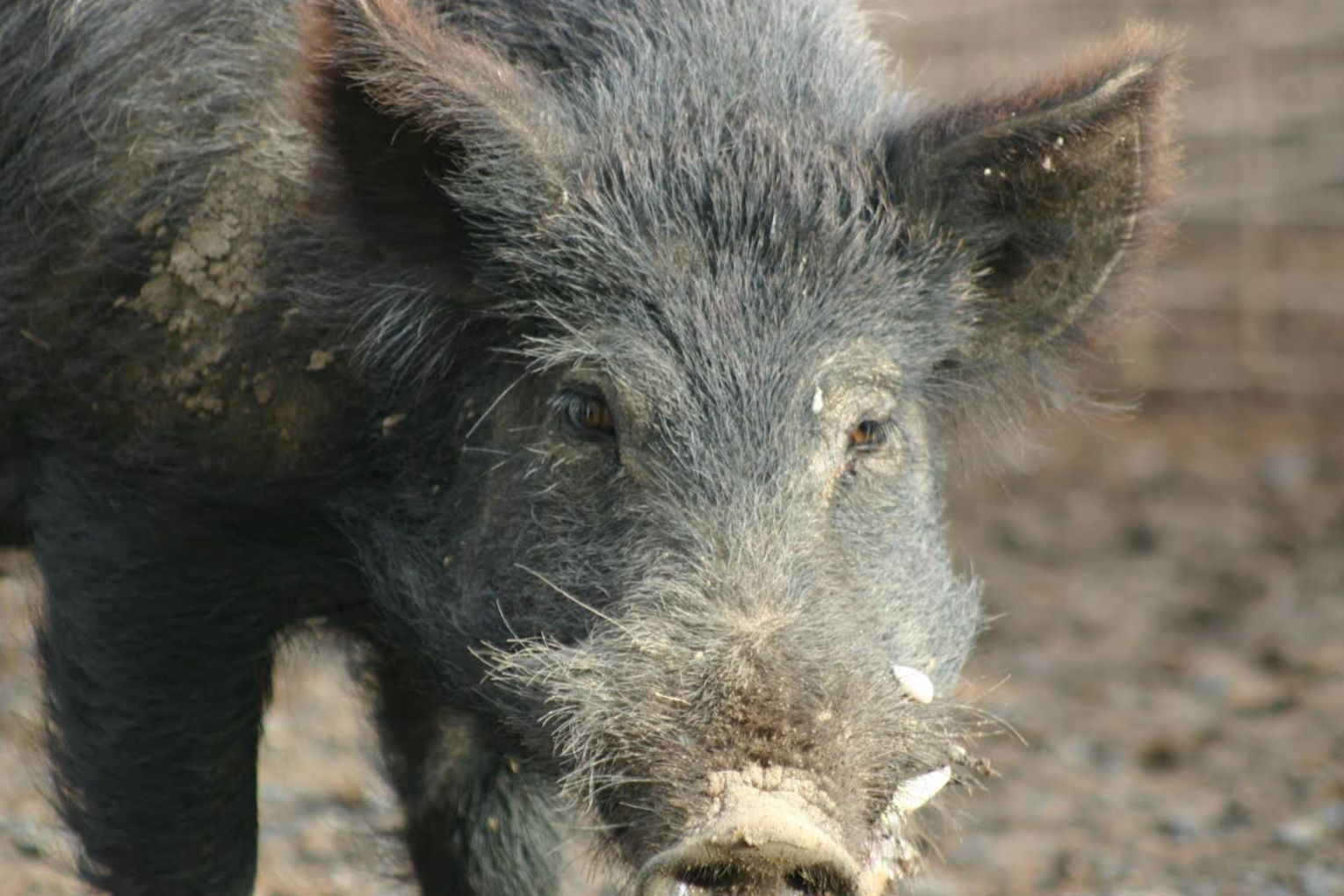
Kangaroo Island has officially been declared free of invasive pigs, after two years of zero detections of the pest animal.
The announcement makes Kangaroo Island the largest body of land in the world where an established population of feral pigs has been eradicated.
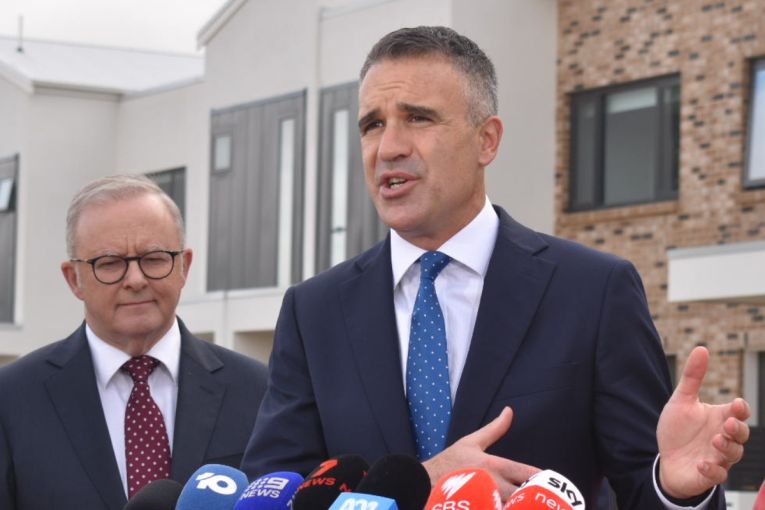
“The success of the program cannot be underestimated,” Primary Industries Minister Clare Scriven said. “It will develop long-term benefits for agriculture, biodiversity, and the local community for generations to come”.
Since pigs were introduced to the island during colonisation, feral numbers have grown, decimating natural habitats and competing with livestock for pasture, costing the island more than $1 million a year in damages.
However, when the 2019/2020 Black Saturday bushfires burned over 210,000ha of the island, over 90 per cent of the feral pig population was eradicated.
You might like

This provided a once in a lifetime opportunity to permanently eliminate the pest.
The $7.5 million Kangaroo Island Feral Pig Eradication Program was officially launched by the federal and state governments in 2020 as a joint initiative between the Kangaroo Island Landscape Board, National Parks and Wildlife Service, AgKI, and various stakeholders.
The team utilised a variety of techniques including thermal-assisted aerial culling, detector dogs, ground shooting and ground baiting to successfully eradicate a total of 878 feral pigs from the island.
Two years of continuous monitoring supported by forensic analysis of feral pig DNA, and a network of more than 500 cameras assisted by artificial intelligence, has not picked up any evidence of the pest on the island.
Stay informed, daily
Feral pig populations can increase rapidly, with modelling indicating that even one female and one male present in March 2024 could have rapidly grown in numbers to between 30 and 100 individuals by May this year.
“The project shows what can be achieved when governments, industry, and the community work together towards a common goal,” Scriven said.
Primary Industries shadow minister Nicola Centofanti said it was a years-long effort and an “outstanding outcome for Kangaroo Island, its farming communities and South Australia’s biosecurity credentials”.
“Feral pigs cause significant damage to agricultural land, native vegetation, waterways and wildlife,” Centofanti said.
“Their eradication will deliver long-term benefits for both primary production and the environment. Everyone involved should be incredibly proud of this achievement.”
Federal Environment and Water Minister Murray Watt said Kangaroo Island was now “a world leader in invasive species eradication having successfully eradicated feral goats, deer, and now pigs”.
While Invasive Species Council Senior Advocate James Johnston said: “Too often in Australia, we settle for managing invasive species when we should be aiming to eradicate them. Kangaroo Island proves that, with the right investment, political will and technology, eradication is possible.
“Kangaroo Island is showing the rest of Australia what is possible. If we are serious about ending extinctions, we need more governments willing to think this ambitiously and back invasive species eradication where it can be achieved”.
Want to see more stories from InDaily SA in your Google search results?
- Click here to set InDaily SA as a preferred source.
- Tick the box next to "InDaily SA". That's it.