‘Love, loss, betrayal, revenge’: Call for SA stories to inspire new operas
Step aside, Mozart … A new initiative from State Opera South Australia will see the stories of everyday South Australians transformed into professional productions.
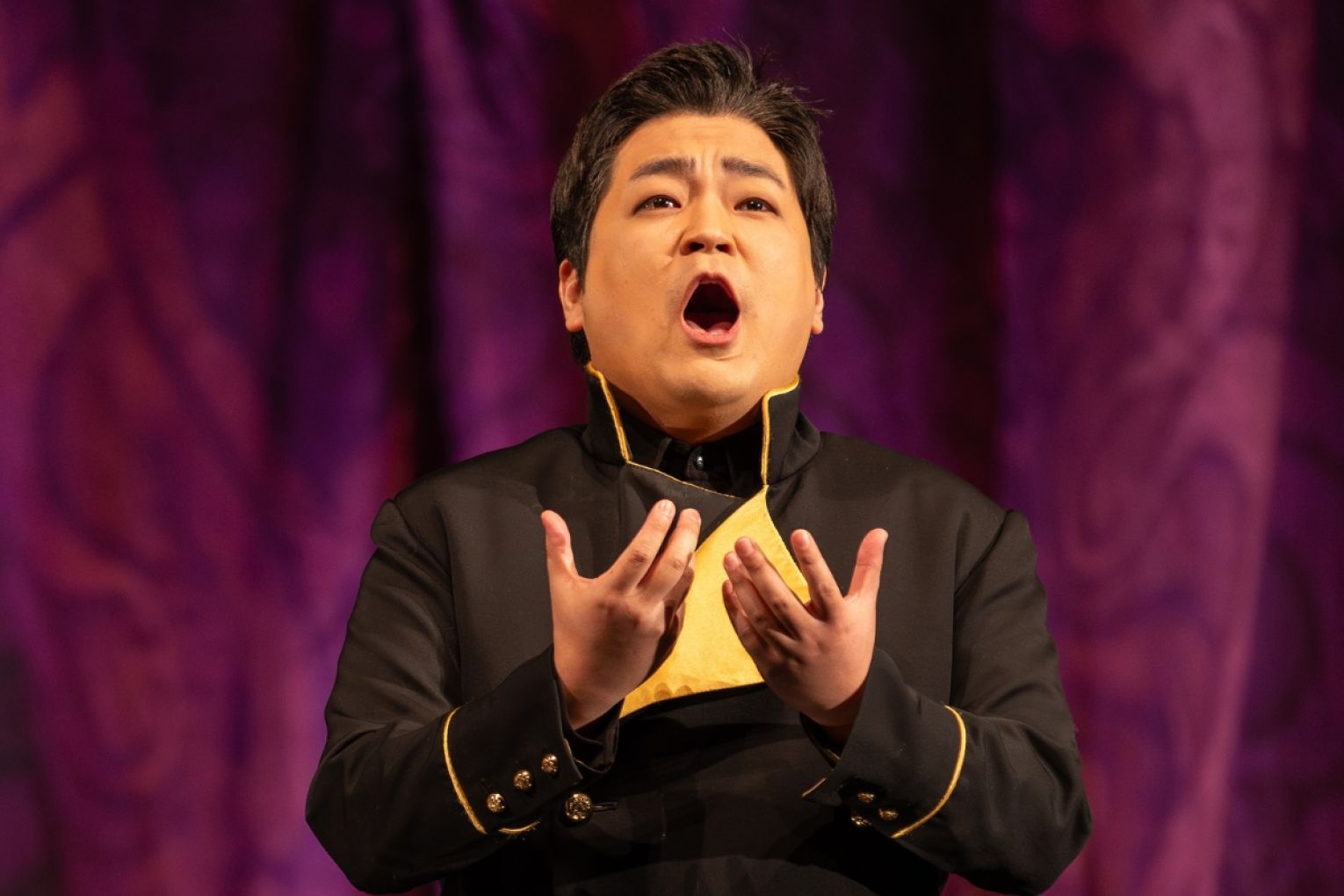
State Opera South Australia wants the public to come up with story ideas for its unique ‘Our Opera, Our Story’ project, with the promise that four will be transformed into professional productions.
The stories will be developed into 20-minute micro-operas by leading composers and librettists (script writers), including Yorta Yorta woman Professor Deborah Cheetham Fraillon.
It will give everyday South Australians the opportunity to see their story ideas performed in October at Elder Hall as part of State Opera’s 2027 season, each accompanied by the Adelaide Symphony Orchestra and entrants receiving full creative credit, along with VIP opening night and behind-the-scenes access.
Mark Taylor, who is executive director of State Opera, told InDaily that despite the association of opera with traditional composers like Mozart and Wagner, it was important to add to the opera canon, adding, “it’s certainly not a dying art form”.
| Sponsored |
You might like
“I suppose we’re saying, ‘Where does opera sit in modern-day South Australia, and we think that it’s important to continue to add to that canon of stories, and the best way to do that is to go out to South Australians and ask them,” he said.
“The wonderful thing about being human is that stories never end, and I think something that’s inherently Australian is that we’re great yarners or storytellers, so we’re really keen to hear those.”
Submissions end on June 19 and could include anything from sport to food and wine, immigration, politics and Indigenous stories, with current entries including an eyewitness account of the 2020 bushfires and a story of post-war Italian migration.
State Opera artistic director Dane Lam said that the project “gives South Australians a direct hand in shaping new work at the highest professional level”.
“Opera has always been built on the stories that matter most, like love, loss, betrayal, revenge, resilience and humour. These human universals are the reasons why operas from hundreds of years ago still capture people’s imaginations today,” he said.
“But we equally believe that opera is the supreme vehicle for storytelling in all its guises, and it must also reflect today’s world, and the people living in it, as we look to the future.”
Stay informed, daily
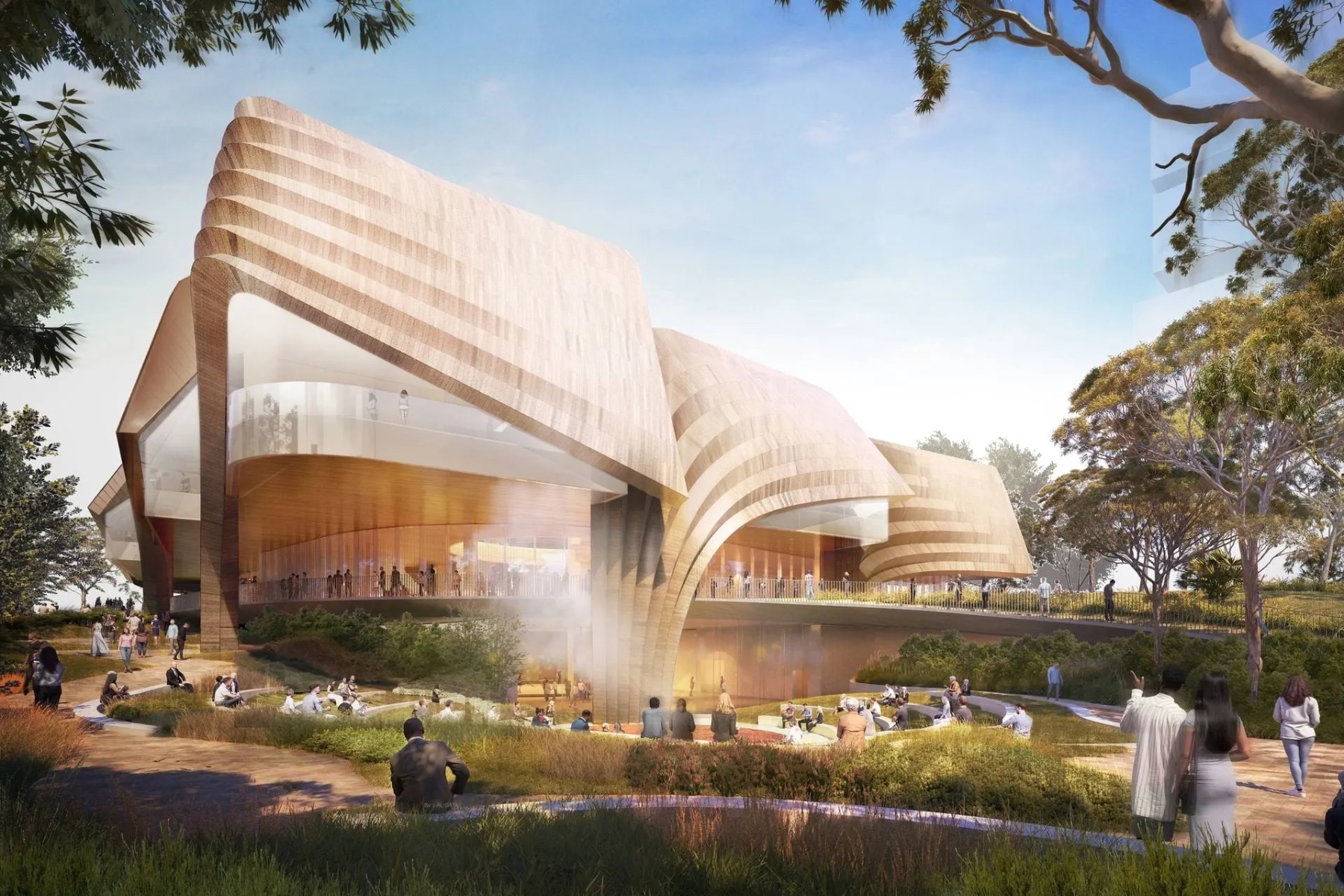
It comes after Tarrkarri First Nations arts and culture centre again missed out on extra funding in last week’s state budget, but with Treasurer Tom Koutsantonis saying he was “not giving up hope” on federal funding or private donors to make the project a reality.
Arts writer and University of Melbourne Professor Jo Caust said the State Budget arts allocation was “quite disappointing”, claiming that “the sector still feels ignored and not valued”.
“They (the government) seem to be willing to spend massive amounts of money on developing a golf course, but they don’t seem to have the same wherewithal to spend money on cultural activities,” Caust, who is based in Adelaide and is a fierce advocate for arts in the state, said.
Last year, the State Government released its 10-year, $80 million dollar ‘A Place to Create’ arts policy, with Premier Peter Malinauskas saying South Australia “has a well-deserved reputation as Australia’s great hub of arts and culture”.
Asked about the Tarrkarri site, which was razed by the former Liberal state government for the project and has been empty for more than seven years, Caust labelled the situation “rather sad”, saying “it would be wonderful if they could just do something for a start”.
“On one level, it wouldn’t matter what they did, as long as they did something,” she said.
Speaking on ABC radio this morning, Arts Minister Kyam Maher said that the $200 million already allocated in a previous State Budget remained.
“When we came to government, we commissioned a review that told us that we would build something that would be of local significance but not of national and international significance,” he said.
“So, I still would like to see Tarrkarri be the internationally significant display of First Nations culture it can be, and that’s still what I would like to see – further private funds with philanthropic, corporate funds put into it to reach its proper potential.”
Want to see more stories from InDaily SA in your Google search results?
- Click here to set InDaily SA as a preferred source.
- Tick the box next to "InDaily SA". That's it.