‘Devastating’: Locals fear loss of popular trekking spot
A group of eastern suburbs residents is up in arms about the potential redevelopment of one of Adelaide’s last remaining ridgelines, the home of a critically endangered moth.
Residents in Adelaide’s foothills have banded together to prevent residential development at Skye Ridgeline, with concerns that it could lead to the loss of a popular walking spot and the destruction of a local habitat.
Construction materials company Boral announced it was selling 3.2ha near its eastern suburbs quarry site in February, with real estate agent Colliers saying the land at the top of Kensington Road opens up new opportunities for housing.
The Saving Skye Ridgeline community group is now calling on the state government or the City of Burnside to purchase the site and protect it for posterity.
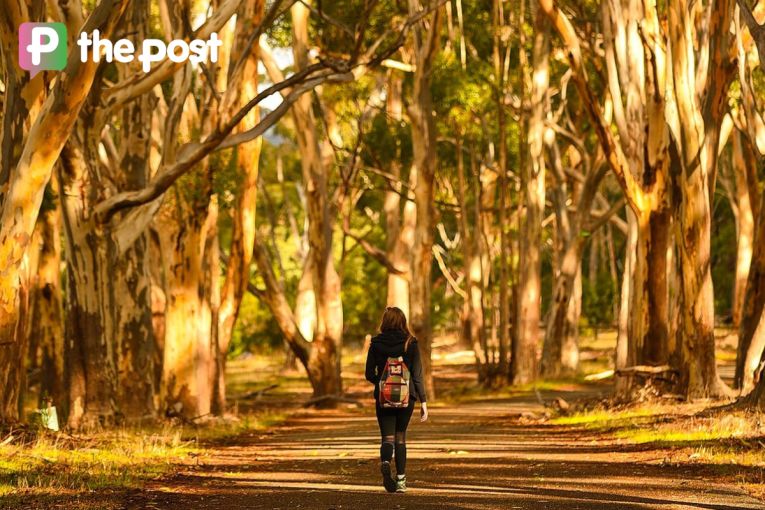
Local resident and campaign organiser Kirsty Blanks said she would be distraught to lose the site, where she has regularly gone on walks with her friend over the past 12 years.
“None of the community knew about it until we saw the signs up there, so what we’re trying to do is create an awareness because we were not told about it,” she said.
“It’s devastating to lose the vegetation and to lose the open space. There isn’t one day that we don’t walk up there and have some sort of gratitude for what is in our community.
You might like

“A lot of people go up there, and if there’s anything significant happening in the night sky, a lot of people take telescopes and photograph up there as well.”
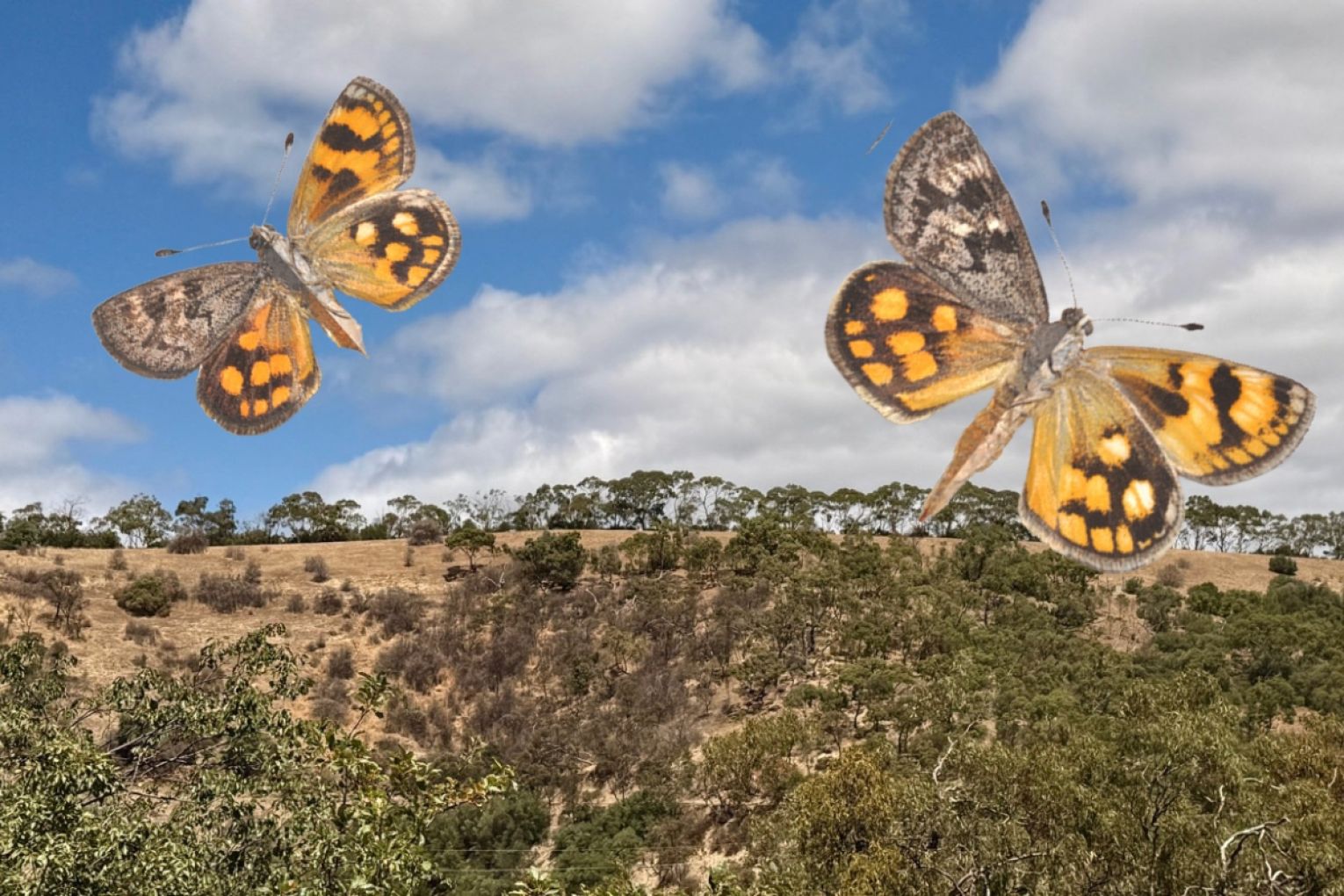
Blanks was also worried that development could destroy habitat for the endangered cryptic sun-moth, as well as the felling of significant trees.
“We’re not greenies – we just know that piece of land, as far as the importance of the Adelaide skyline, it should be maintained for the community and not have a residential development or clearing of all of this vegetation, where you will lose this skyline,” she said.
Blanks was confident her community could prevent the site’s development.
“I’m not talking about stopping the sale of it – that’s not what we’re on about – we are desperately wanting to protect the land and keep it as an open space,” she said.
Stay informed, daily
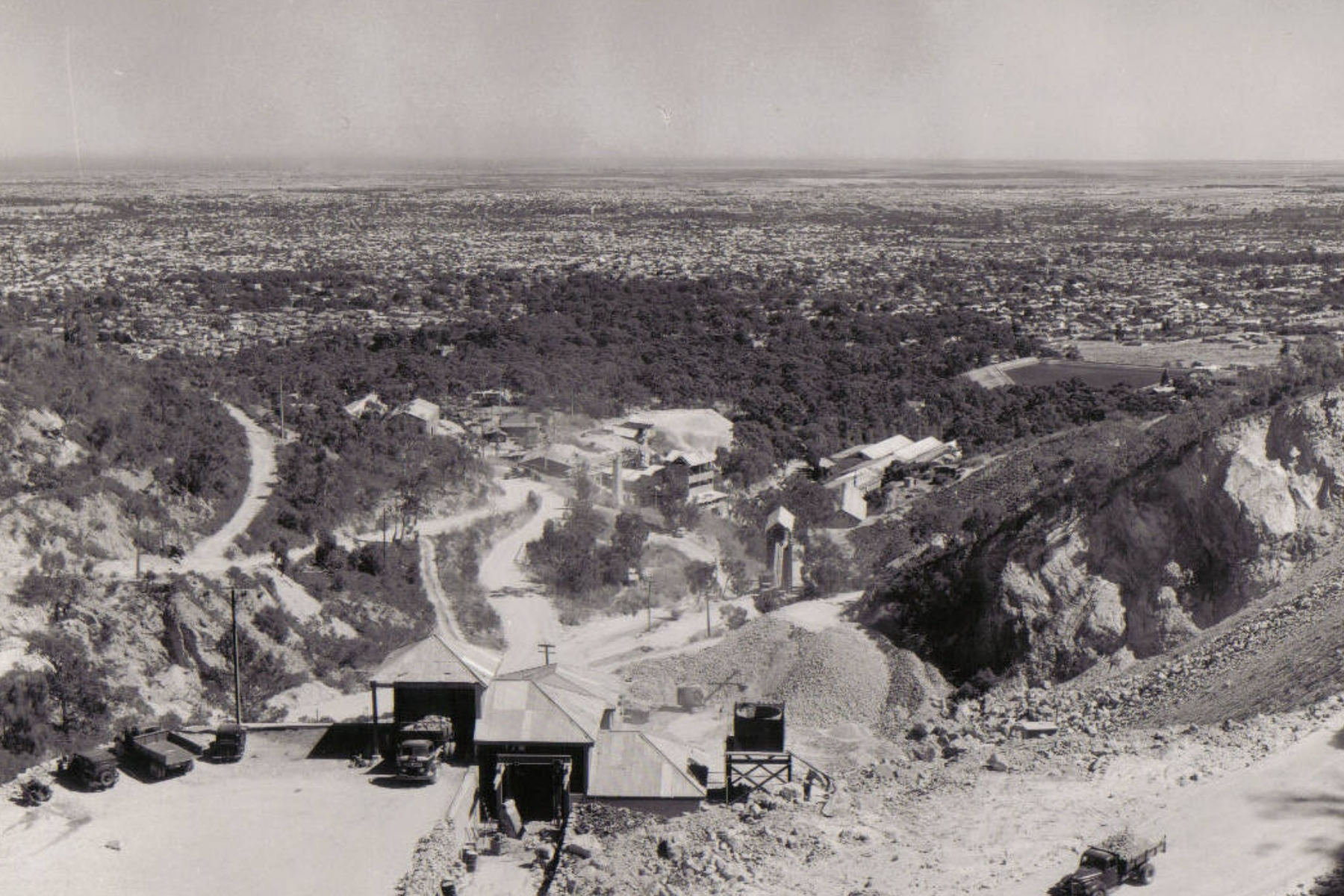
Stonyfell Quarry in Skye is one of Adelaide’s oldest, having started operating in 1837, while its stone was used in the city’s earliest road and rail infrastructure.
Boral bought the site in the 1980s to dig out construction materials for road base, aggregates and washed sands.
A state government spokesperson said the sale of the land was a matter for the landholder and that any change to its status would require legislative changes.
“The land in question sits within the Environment and Food Production Area and is zoned as Hills Face Zone,” he said.
“This zoning specifically restricts the land for low-intensity, low-scale activities that complement the natural, rural and scenic qualities of the hills face landscape.”
City of Burnside CEO Julia Grant said the council “will support our community to advocate to the State Government for the protection of the Hills Face Zone environment”.
“At their 17 March meeting, Council resolved to write to the Minister for Environment and Water and Green Adelaide to seek protection of the cryptic sun-moth … and support for maintaining and providing recreation walking trails and conservation of natural bushland in the Hills Face Zone,” she said.
“Council will also write to Adelaide Hills Council, Department Environment and Water, Conservation Council SA, Green Adelaide and Boral, requesting we work together to investigate future options for the conservation and protection of the natural bushland to the south of the planned road.”
Boral was contacted for comment.
Want to see more stories from InDaily SA in your Google search results?
- Click here to set InDaily SA as a preferred source.
- Tick the box next to "InDaily SA". That's it.