Free rent not enough as SA regions cry out for GPs
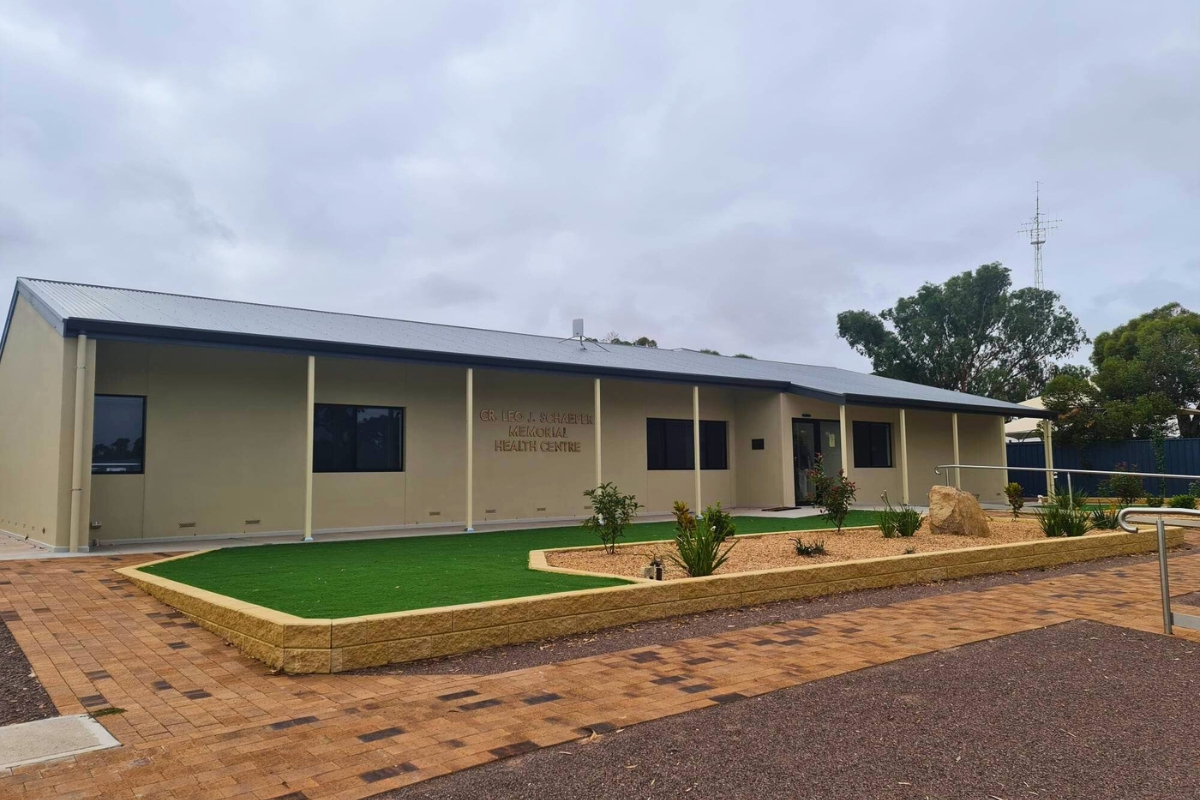
Despite building a new $1 million clinic and offering medicos free homes in a bid to attract a desperately needed doctor, one SA town is still struggling to get a resident GP.

Kimba Council built a flashy new $1 million medical centre and two homes that resident GPs can live in rent-free two years ago, but is still struggling to get a permanent doctor.
Dean Johnson, the Kimba Mayor and immediate past president of SA’s Local Government Association, said “we need a better incentive to get the GPs out into rural practices” as regions throughout the state struggle to find permanent doctors.
The April 2023 grand opening of Kimba’s new medical centre was meant to precede the arrival of an international doctor who would live and work in the Eyre Peninsula town.
But almost three years on, the town still relies on locums – travelling doctors that pop in and out of SA’s regions offering their services to communities.
“The locums provide an excellent service, and we’re really appreciative of it, but long-term community care is compromised under that system,” Johnson said.
“You have to re-explain your set of circumstances every time you go to a new doctor. Ultimately, we won’t be happy until we do have resident GPs in the region.”
Johnson “one hundred per cent” backed the Australian Medical Association South Australia today calling for the next state government to remove “unnecessary bureaucratic barriers” in place for international doctors looking to call Australia home.
You might like


The town trying to get one overseas-based doctor the required approvals for more than two years.
“Overseas trained doctors are the backbone of our health system. Without them, our hospitals would grind to a halt and the number of GPs would be halved,” AMA SA President Associate Professor Peter Subramaniam said.
“Despite their vital contributions – and the wealth of knowledge and experience they bring – many are forced to battle outdated and onerous red tape, and a lack of structured support that leaves some feeling completely alone.
“If South Australia wants to compete globally for medical talent, it must genuinely support doctors to build their lives and careers here.”
It has also asked for the development of relocation programs – especially in regional areas – and investing in GP training grants.
Kimba Council would pay for the rent of both the clinic and the accommodation of a local GP but struggled with the challenge of attracting GPs to rural practices generally, Johnson saying regions were forced to work hard to make their towns attractive to potential health workers.
“We’ve seen some improvement in the ability to get GPs out to the country, but it’s far from over. It remains incredibly difficult to get them into the practices,” he said.
Stay informed, daily
Much of the Eyre Peninsula is struggling with the same problem, Johnson said, though Wudinna has managed to land an international doctor.
He said the main problem was red tape, which was slowing down the process.
The council had been talking to a South African doctor for two-and-a-half years, he said: “We’re still a long way from getting all the clearances needed to get them in the country”.
“We understand that we absolutely need to make sure that these doctors are safe and adequately credentialed to come and work in regional areas, but there are periods where it’s very difficult for the doctors to even book in for these tests, because there’s just not enough resourcing that goes into it.
“We need to find a faster way.”
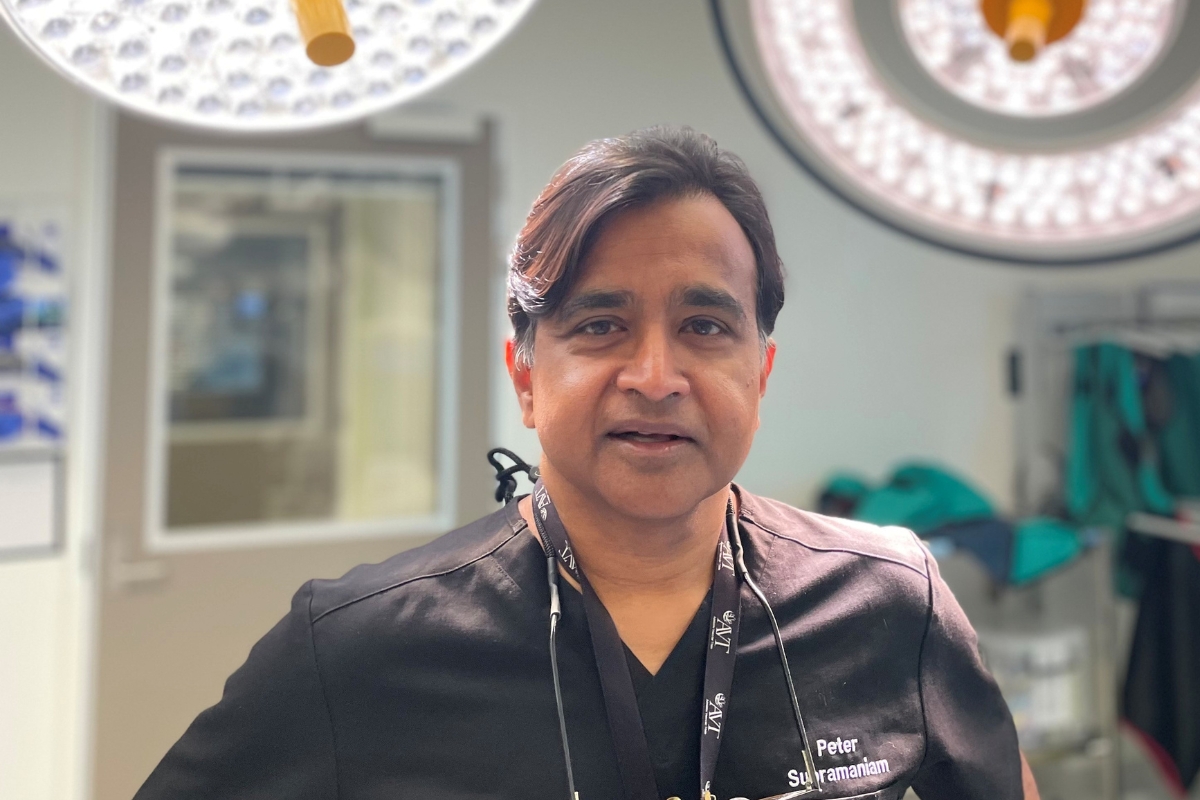
“To be clear, this is not about watering down standards,” Subramaniam said.
“Anyone who wants to work in Australia – whether trained here or overseas – must meet the same rigorous standards Australians rightly expect.
“What AMA SA is calling for are common-sense, achievable steps to support doctors who are trained to Australian standards and want to live and work here.”
Kimba is a member of the Northern Eyre Peninsula Health Alliance with Cleve, Elliston, Franklin Harbour and Wudinna, and Streaky Bay.
The group was formed to advance the critical health needs of the people of Northern Eyre Peninsula, and in 2024 was awarded $1.4 million by the Federal health department to improve healthcare accessibility in rural areas.
NEPHA will put the funding towards a centralised administrative model to support GP and Allied Health service delivery in the area, focusing on recruiting and retaining healthcare professionals.
“Adelaide University are looking at the outcomes of that and they’ll be publishing papers for us as we develop that model further,” Johnson said.
“But I guess if it was easy, someone who have done it already, wouldn’t they?”

Want to see more stories from InDaily SA in your Google search results?
- Click here to set InDaily SA as a preferred source.
- Tick the box next to "InDaily SA". That's it.