SA’s own forecasting centre tracking space weather – and why it matters on Earth
From a high-tech forecasting centre in the centre of Adelaide, a dedicated team is busy predicting how events on the Sun affect the Earth’s population some 150 million kilometres away. Emily Griffiths reports.
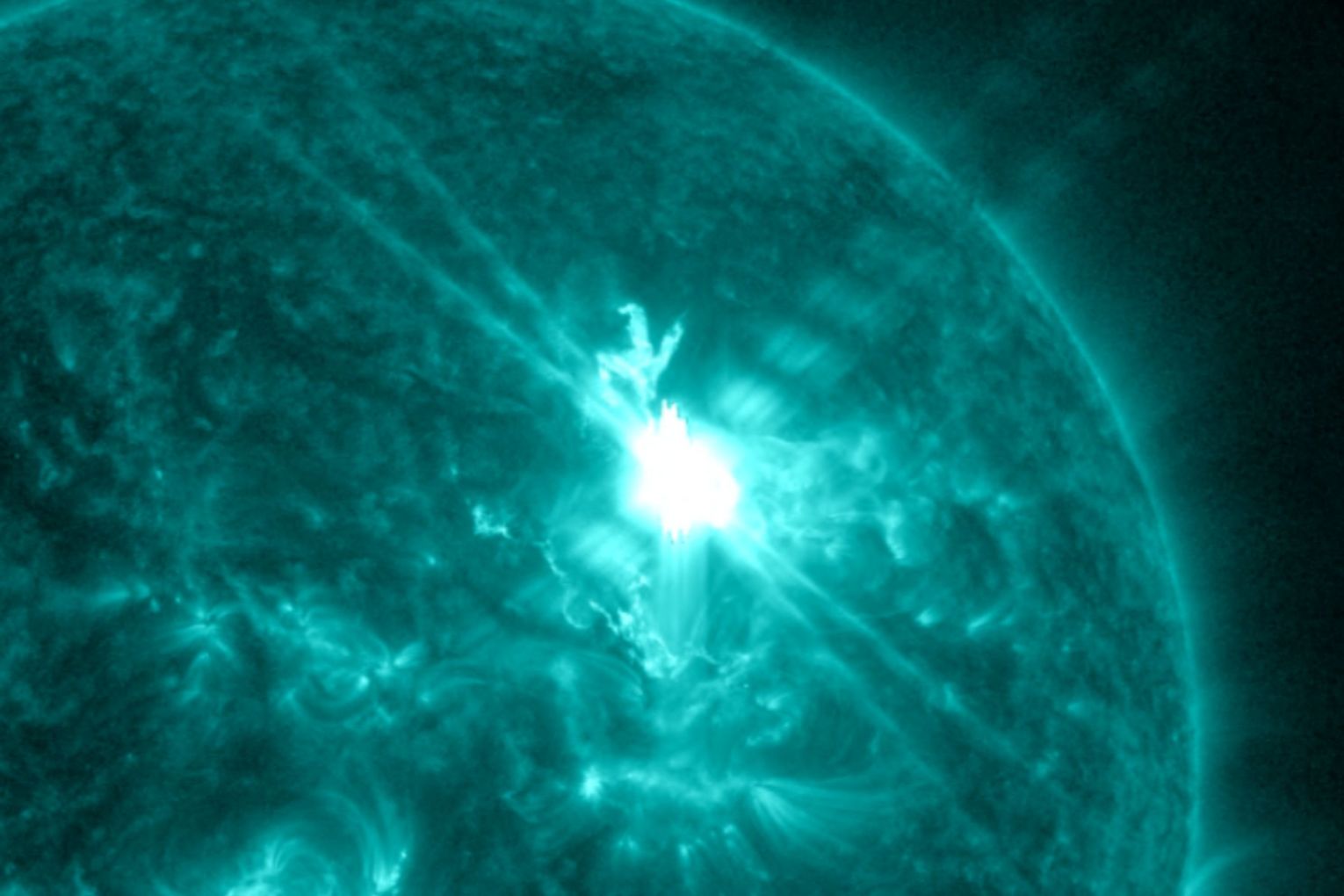
Streaking overhead, a wave of moving plasma hurtles from the sun across the solar system.
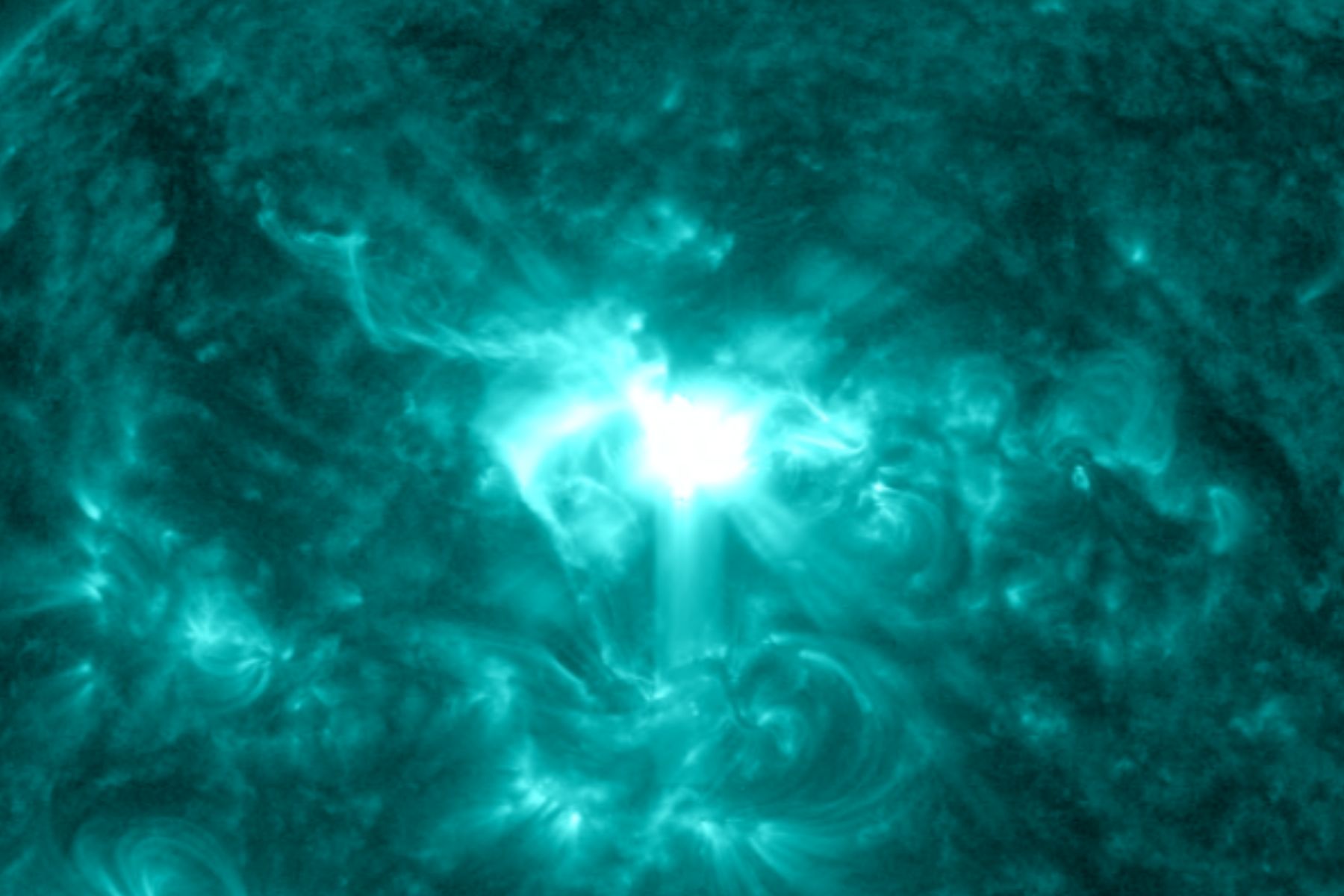
These eruptions, called Coronal Mass Ejections, contain magnetic fields strong enough to disrupt satellites and overload electric systems.
Not that you’d know it from here.
Instead, the massive movement from the sun’s molten outer core reads as a modest illumination on a computer screen at the Australian Space Weather Forecasting Centre based in the heart of Adelaide’s CBD.
The Bureau of Meteorology centre is located on North Terrace and delivers 24/7 space weather forecasting and warning services so Australia’s space industry operating within areas like defence technologies or satellites can understand, prepare for and respond to space weather events.
Space weather can affect communications, GPS, energy supply, aviation and other critical infrastructure.
You might like
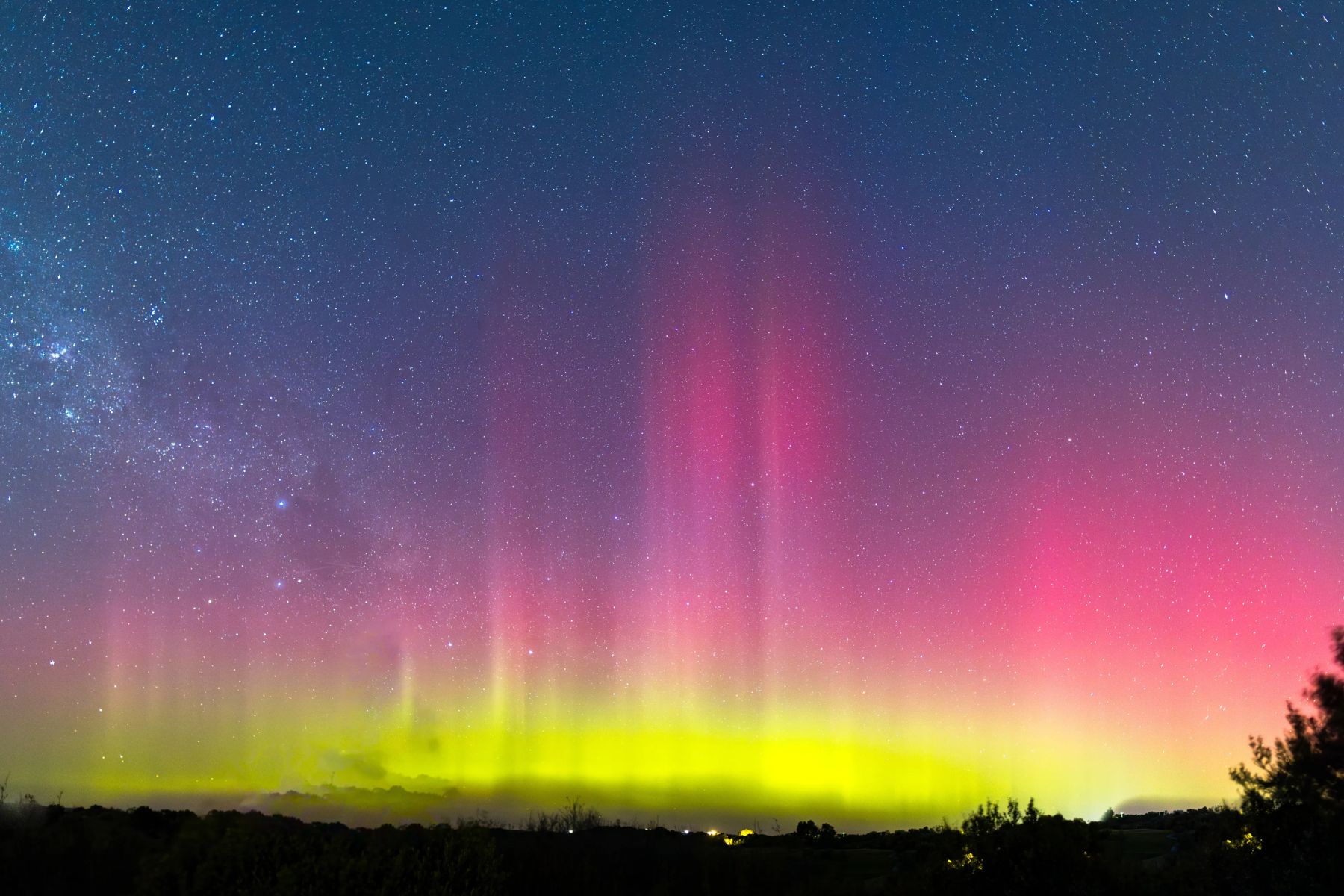
It’s also the reason for the expanded auroral displays South Australians recently have been seeing light up local skies.
Space Weather Forecaster Andrew Jackling says space weather centres around eruptions on the Sun; solar flares – which are a burst of electromagnetic radiation – and Coronal Mass Ejections, which result in geomagnetic storms.
“We’re looking at the ejection of materials from the sun, which can influence Earth,” Jackling explains.
“My job is to figure out whether that material will reach the Earth. And if it does reach Earth, at what level it will occur.”
Stay informed, daily
Jackling says space weather is becoming increasingly relevant here in Adelaide, which he labels the “home to all things space”.
“Everything space-related is in Adelaide,” he says – and it’s not hard to see why.
The Australian Space Weather Forecasting Centre is based alongside scores of other space-industry agencies and businesses at Lot Fourteen.
The centre collaborates closely with its industry and government partners to devise, refine and deliver real-time services to those who need it most.
“Our main concern is protecting Australia’s critical infrastructure,” he says.
“We keep adding to technology more and more, and the interconnectedness of it makes space weather more relevant.”
But Jackling admits he also simply finds space weather fascinating.
“The sun is what keeps the job interesting.
“I start my day and I think, ‘what is the Sun going to do today?’ The Sun keeps us on our toes.”
The Bureau’s space weather forecasts, warnings and observations are available on its website.
Want to see more stories from InDaily SA in your Google search results?
- Click here to set InDaily SA as a preferred source.
- Tick the box next to "InDaily SA". That's it.