Bid to save birds, plus rare butterfly and its Riverland colonies of ants
Tiny birds and a rare, endangered butterfly relying on its unique relationship with ants to survive are among dozens of creatures conservationists are trying to save at an expansive new Riverland reserve.
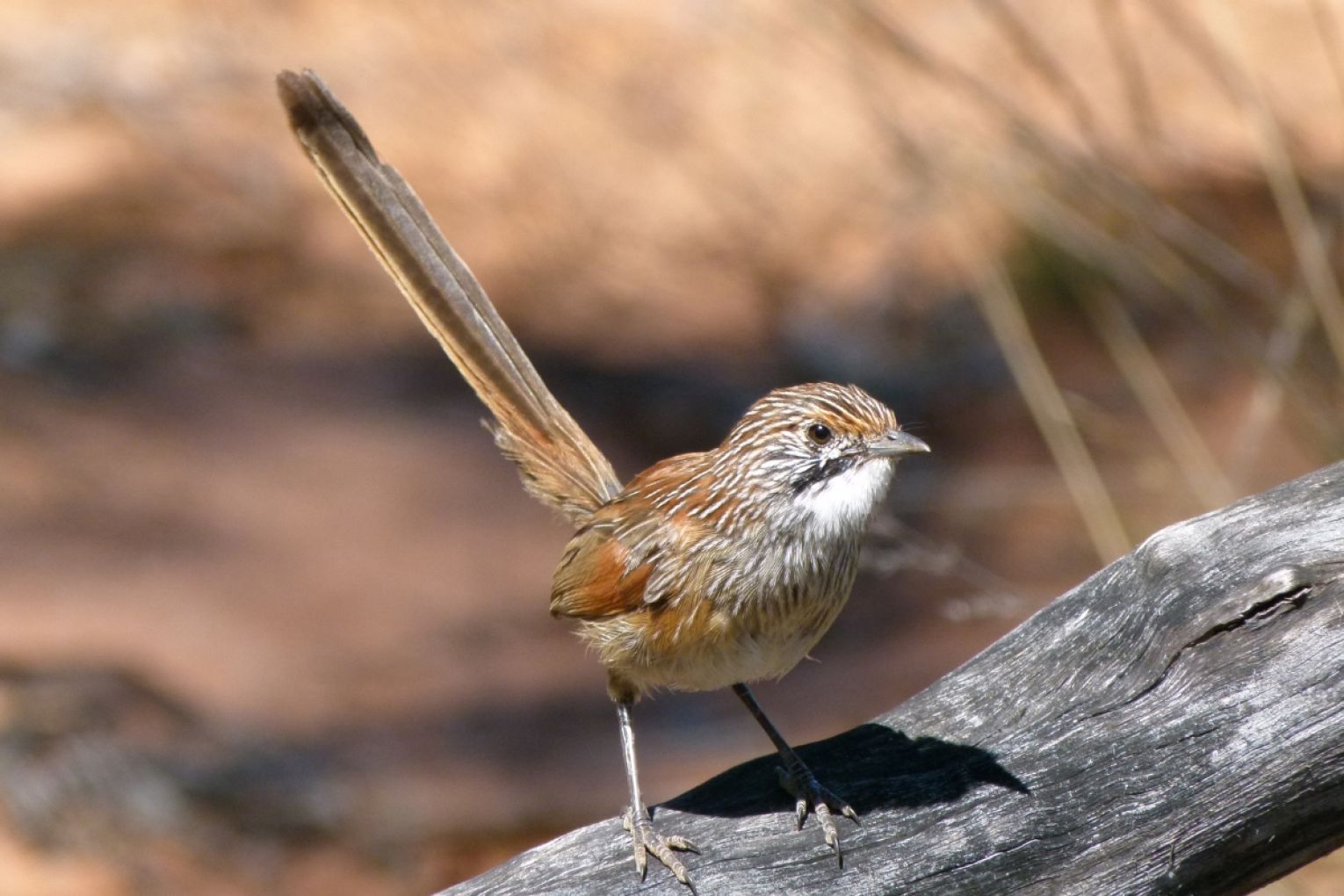
An SA not-for profit conservation organisation is seeking public assistance to restore 2,396 hectares of land at Pooginook north east of Waikerie in SA’s Riverland back to its natural state to protect endangered wildlife and threatened species.
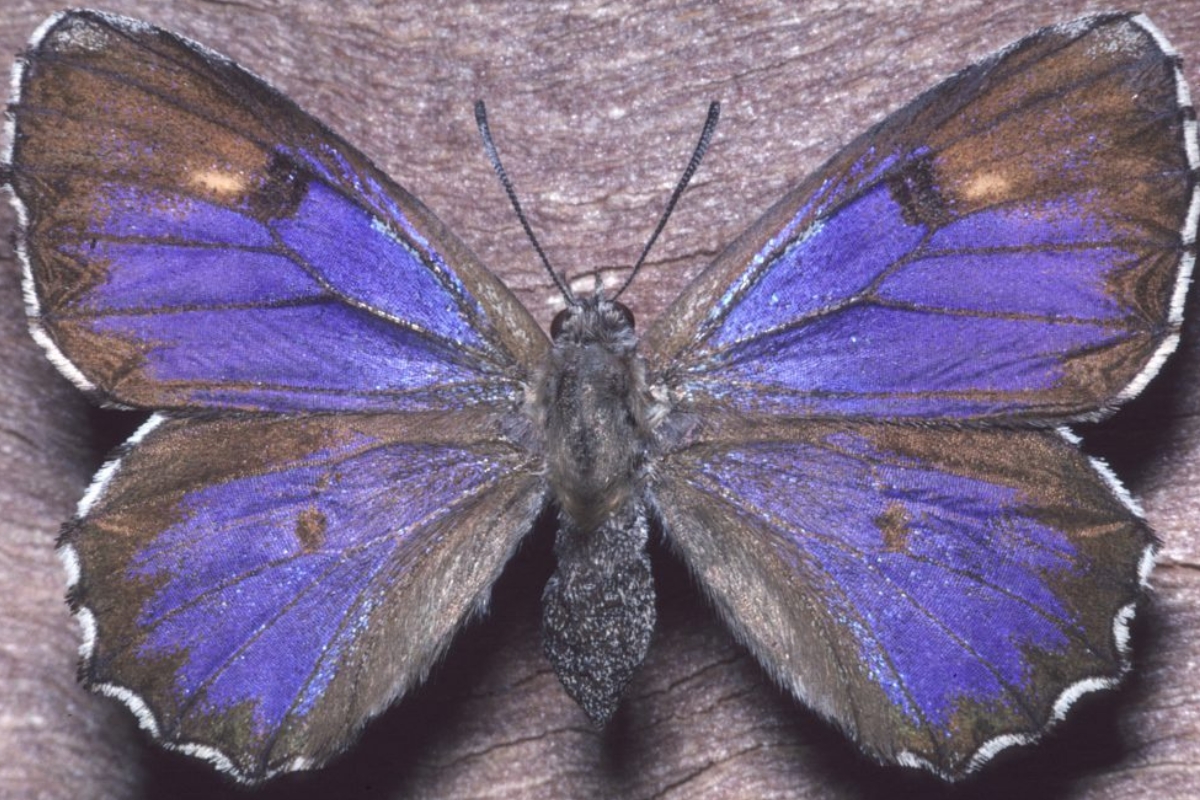
Among them the Mallee Bronze Azure butterfly, which lays its eggs close to the entrance of the nests of sugar ants.
The ants gather these eggs and take them into their nest, where they tend to the butterfly’s larvae as they grow and when the butterflies become adults, they leave the nest and begin the cycle again.
Nature Foundation bought the old dryland farming and sheep land in September this year with plans to restore its native vegetation and develop its tenth nature reserve, ‘Pooginook West Nature Reserve’.
It is on the traditional lands of the Ngawait people and the region’s Aboriginal community will be closely consulted on its revegetation and recovery.
Nature Foundation chief executive officer Alex Nankivell said about 400-hectares of land on the property needs to be restored.
Cropping and sheep have impacted on the native vegetation and has dramatically reduced the land’s ability to naturally revegetate.
You might like


Nankivell said in areas furthest away from where the livestock’s water points had been the native flora was in a better condition.
He said the Pooginook Conservation Park’s location next to the reserve would provide high-quality habitat for flora and fauna to move through.
Nankivell said with the right management, the native vegetation at the Pooginook West Nature Reserve would significantly improve expanding the refuge of the neighbouring conservation park.
The acquisition of the property by Nature Foundation was funded through its Forever Nature Fund, launched in 2022.
Nankivell said the Pooginook West Nature Reserve has the potential to become a haven for endangered ecological communities and threatened species.
“We are looking for land that has high biodiversity value that we can protect and restore,” he said.
Nankivell said 1500 hectares of good quality native vegetation also influenced Nature Foundation’s decision to purchase the property.
The reserve features eucalyptus mallee forest and mallee woodland, native cypress pine, low open tussock spinifex grassland, and red sandy soil.
Initial research by Nature Foundation indicates the reserve supports members of the Mallee Bird Community that are dependent on Mallee vegetation in the Murray–Darling Depression bioregion.
These include mallee fowl, eastern regent parrot, red-lored whistler, southern whiteface, and shy heathwren, all rated as vulnerable under the Environment Protection and Biodiversity Conservation Act (EPBC) 1999.
Stay informed, daily
The EPBC rated endangered species of the Murray Mallee striated grasswren, black eared miner, and hooded robin are also likely to be present or supported in the local region.

Nature Foundation recently secured a Native Vegetation Council Restoration Grant to help support work on Pooginook West Nature Reserve over the next 10 years.
This funding will support conservation actions that will include baseline biodiversity monitoring, the establishment of a tailored conservation management plan, feral animal control activities, and revegetation efforts.
“That’s a really big win for the property and part of that is putting a heritage agreement over the remnant vegetation,” Nankivell said.
He said this process would involve applying to the state’s Native Vegetation Council administered by the Department for Environment and Water.
“It will provide the property with formal protection in perpetuity and formally declare it a nature reserve,” Nankivell said.
Conservation work involving community volunteers, staff, and contractors engaged by Nature Foundation is expected to begin at the property in March.
Nankivell said the work will involve activities to boost the biodiversity on the reserve and support native flora and fauna.
This will include habitat and biodiversity monitoring, fencing, weed control, and pest animal control.
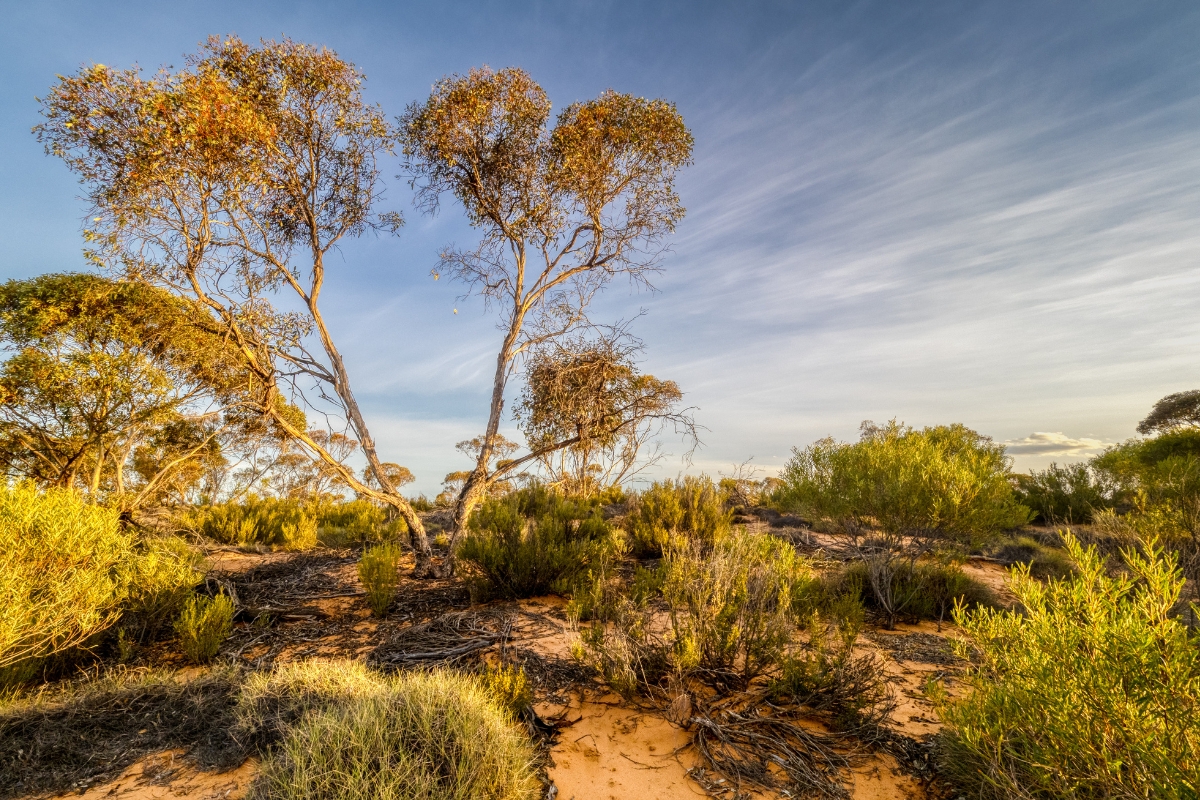
A direct seeding program and tubestock planting of seedlings to balance cost effectiveness and efficiency with overall revegetation time will also occur.
Nature Foundation has a network of volunteers that assist with conservation projects like the one being planned at Pooginook West and they have assisted with managing the nine reserves it already owns across SA.
Nankivell said those offering a helping hand in these activities are mostly from SA, but interstate volunteers are also keen to help.
“They come from all sorts of walks of life and ages,” he said.
Nature Foundation is also encouraging the community to help kickstart its conservation work at Pooginook West Nature Reserve by donating money to the project through its Forever Nature Fund.
More information can be found at naturefoundation.org.au/get-involved/donate/pooginook-appeal
Want to see more stories from InDaily SA in your Google search results?
- Click here to set InDaily SA as a preferred source.
- Tick the box next to "InDaily SA". That's it.