Peak body says 18 years lost in ambulance ramping delays on Malinauskas’ watch
SA’s peak medical body is listing vital changes it thinks will help fix a hospital “system under stress” in its state election priorities released today.
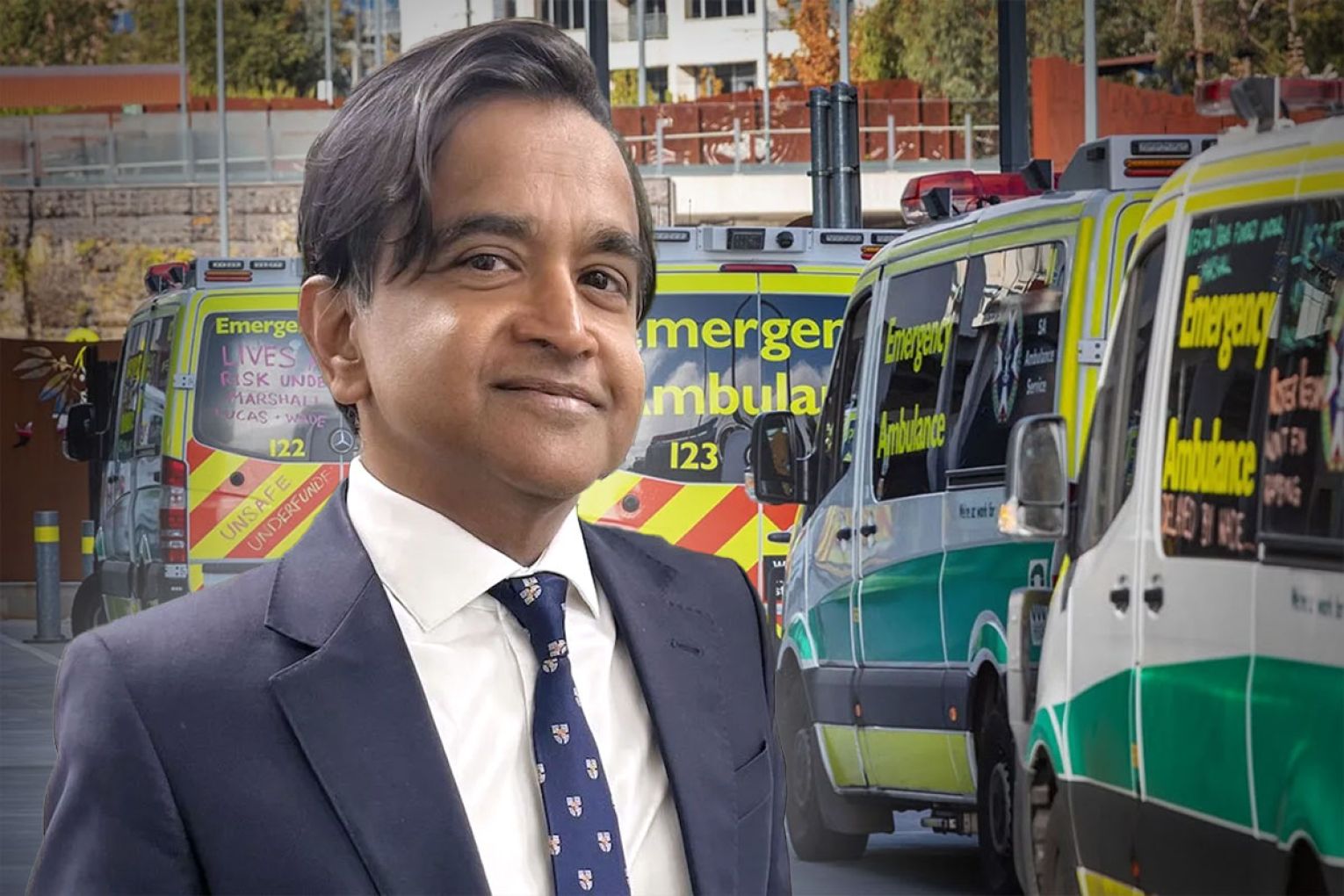
SA’s Australian Medical Association has the state’s ramping crisis at the top of its state election priorities released today saying over the current state government’s time this amounted to 18 years lost in delays.
Despite election promises from both major parties to “fix ramping”, the state’s Australian Medical Association Associate president Professor Peter Subramaniam said there was no quick fix.
“Anyone who says there’s a silver bullet to ramping is telling an untruth, because there isn’t,” he told InDaily. “Ramping is a symptom of a system under stress. Our recommendations are focused on the reasons why we have people on a ramp.”
Since the 2022 State Election, patients have spent over 164,000 hours waiting in ambulance ramps – the equivalent of more than 18 years lost to delays, according to AMA figures.
“Every hour that’s been wasted on the ramp represents a patient – a real person – who has been let down by the system.” Subramaniam said. “Every hour represents significant problems in our health system.”
The most significant problem, he said, was not a lack of beds or public hospitals, it was a lack of community care.
You might like
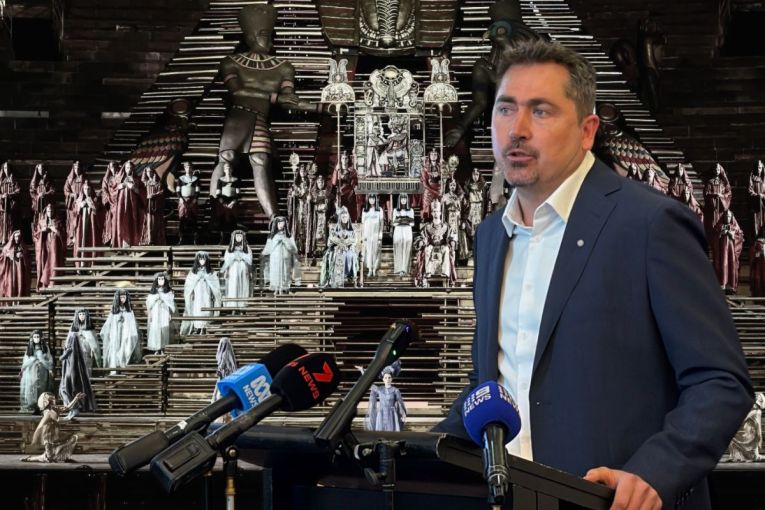
“The more we can get people treated in the community, the more people we can keep out of hospital. Then we can reserve our hospital services for the people who need to be there.”
While the state government has delivered on promises to expand hospital capacity, including more beds and upgrades to public facilities, he said the crisis has continued regardless.
“That hasn’t changed the fact that we still have record ramping times and overcrowded hospitals… it’s beyond just building more capacity”
AMA’s key recommendations include:
- More funding for GP care
- Financial incentives for GPs to care for patients in residential aged care
- Strengthening community mental health services, including increased funding and a 24/7 clinical crisis line
- Axing the payroll tax on doctors
- Removing red tape that acts as a barrier to allowing new doctors from working in the state
Health Minister Chris Picton said: “None of the points that they put in [the AMA’s] press release are actually about hospitals, which I took as a fact that this is a government which has been investing very significantly in our hospital system, expanding the number of beds and expanding the number of doctors and nurses”.
Stay informed, daily
“That’s something where premiers and ministers are continuing to have discussions about a new health reform agreement that needs to be put in place,” he said.
“Up until the last few weeks, not many people across Adelaide have been able to access a bulk-billed GP, and that’s now starting to change due to these federal government investments.”
One recommendation, to abolish the payroll tax, has already been adopted by the Liberal Party.
“General practices are like any other small businesses, they are operating in an environment of increasing costs… any additional costs that they have to bear will have an impact on how they deliver care now, whether that means that they pass on that cost to patients or they change the model of care and look at shorter appointments and less complex patients,” Subramaniam said.
He argued that the payroll tax acts as “a tax on access” to primary care.
“We don’t think that whatever revenue they raise from this tax is going to be matched to the expense of providing expensive hospital care to patients who otherwise could be treated in the community.”
Subramaniam, who also works as a vascular surgeon in both public and private practice, told InDaily how ramping not only impacted patients but also affected overworked frontline workers, leading to fatigue and burnout.
“The hospital workforce is constantly working in a stressed environment, and that impacts our ability to actually get these people working to their full capacity and also retain them.”
“AMA SA will announce more election priorities in the lead-up to polling day and stands ready to work with all sides of politics,” Subramaniam said.
“South Australians deserve better than another four years marred by record ramping. It’s time for all sides to think bigger and deliver the care our state deserves.”
Picton said the “former treasurer, Stephen Mulligan, put in place a complete exemption for GP services that are bulk billed.”
“Public hospitals take the brunt of a lot of issues where people can’t get care in the community, or they can’t get aged care appropriately, and public hospitals have to carry that weight,” he said.
“And we’ve seen, unfortunately, the percentage of federal government money going to public hospitals is reducing at a time when that burden is increasing.”
Want to see more stories from InDaily SA in your Google search results?
- Click here to set InDaily SA as a preferred source.
- Tick the box next to "InDaily SA". That's it.