No front door? The ‘truly bizarre’ fine print of Labor’s grand garage plan
InDaily delves deeper into Labor’s failed bid to force larger garages into new SA home builds with fears raised over local streets ending up looking like “dunny lanes”.
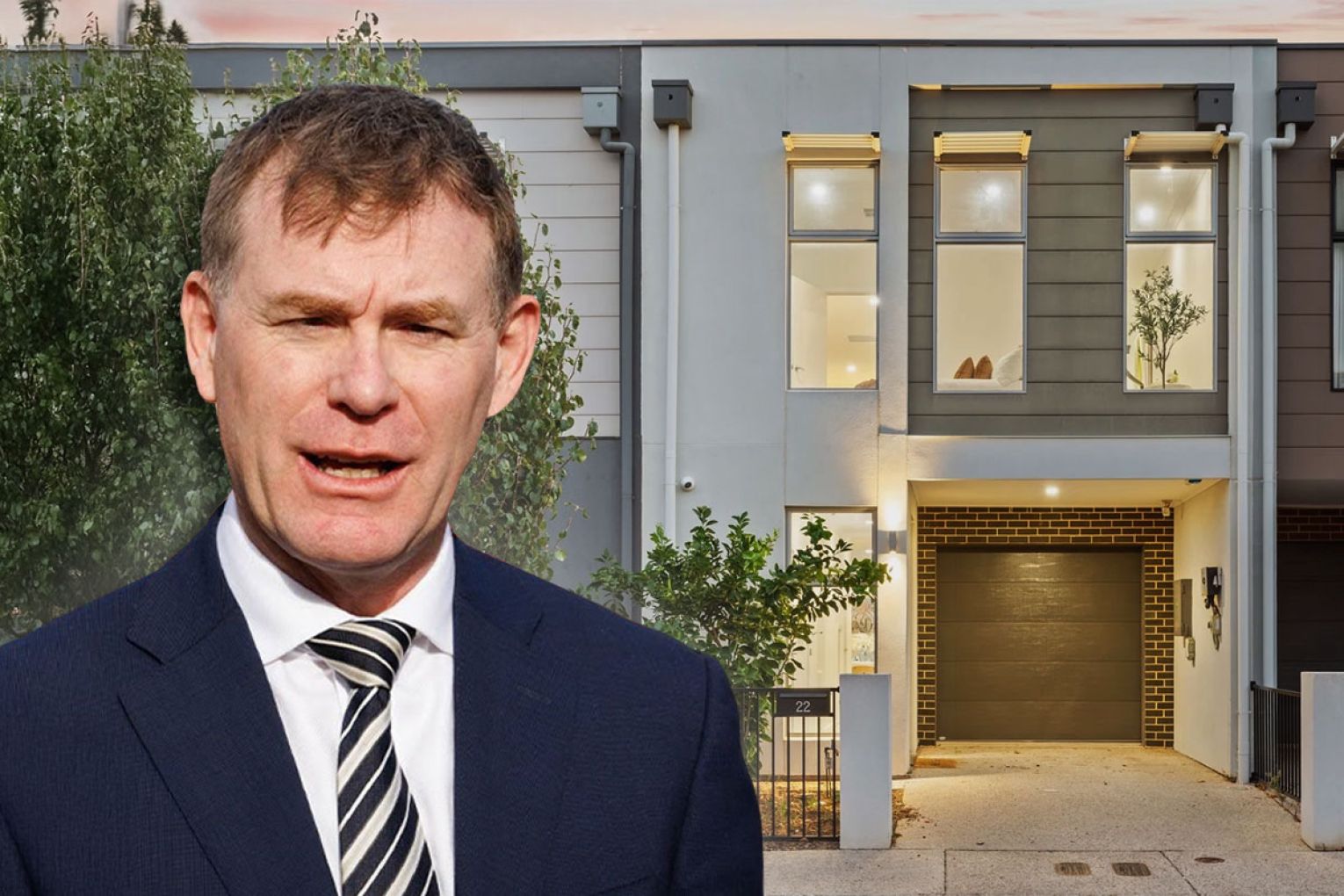
Premier Peter Malinauskas last week parked a bill forcing builders to add more and larger garages to new homes saying the Labor Party would take its bid to the state election – but those poring over the fine print are now discovering the plan would have also included loosening up requirements on front doors and rooms.
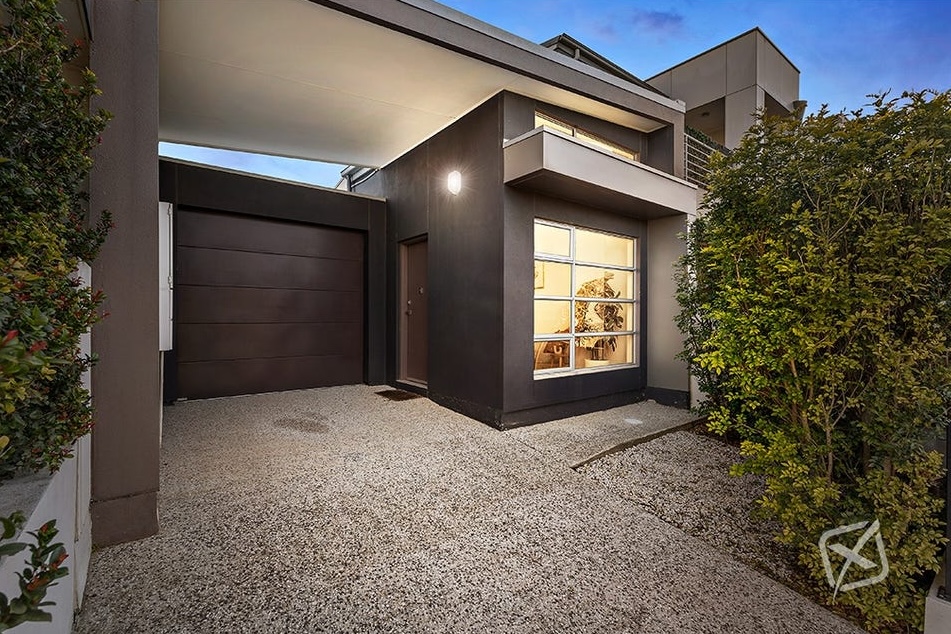
Alternations to the Planning and Design Code intended to be linked to the vehicle parking bill would have seen a requirement to have a home’s front door front-facing and a habitable room at the front of the dwelling removed from the rules. The entire plan leading to criticism that it would create “dunny lanes” where all locals could see along a street were garage doors.
SA Greens MLC Robert Simms said the proposed changes “demonstrate Labor’s warped priorities when it comes to housing and transport policy”.
“Sacrificing front doors and room sizes just to accommodate bigger garages is a truly bizarre policy proposal. Is Labor taking this ‘Bigger Garages, Smaller Bedrooms Policy’ to the state election?” he said.
“This really isn’t rocket science. The solution here is surely to properly invest in our state’s public transport network to ensure that new builders are appropriately serviced by buses, trams and trains. This will reduce congestion long term.”
The Planning and Design Code currently requires dwellings to have a minimum size front room with a 2m² window and a front door visible from the street for fast-tracked assessment.
Labor’s changes would have accompanied the Statutes Amendment (Vehicle Parking and Urban Renewal) Bill 2025, making it mandatory for one-bedroom dwellings to have one vehicle park, while dwellings with two or more bedrooms would need to have at least two vehicle parks. Minimum dimensions for off-street vehicle parking areas would also be increased.
Premier Peter Malinauskas last week announced the government had parked its bill, rather than having it voted on in the Legislative Council during the final parliamentary sitting week of the year after it faced staunch opposition from the Greens and developers.
You might like


“They surely haven’t driven down suburban streets where they are so clogged up you can’t get your car down there, let alone in a garage,” Malinauskas said at a press conference last week, declaring the government’s intentions to take it to the next election.
Housing Minister Nick Champion branded the challenge as an “unholy alliance” as development bodies and the SA Greens came together to criticise the bill, with warnings that the changes would “entrench car reliance” and essentially create a “car parking tax” on the cost of building in the midst of a housing crisis.
The Australian Labor Party has since launched an online petition to gather support for its push to “get more cars into garages and off busy suburban streets”.
But one of the voices speaking out against the bill as a whole – the Urban Development Institute of Australia (SA) – was in favour of some of the Planning and Design Code changes.
The organisation said it had “been successful in securing some offsets and exemptions to reduce the impact of these changes on housing affordability”.
Speaking to InDaily, UDIA SA chief executive Liam Golding said the associated design code change about the removal of a front door “is actually a mature design response to managing scarce land and helping people to live more effectively”.
“That creativity can be a good thing,” he said.
“I think if we’re talking about doing it to facilitate more cars, that’s wrong.”
Australian Institute of Architects SA chapter interim leader Craig Glasson told InDaily that front doors were important: “they do more than just let you in. They put eyes on the street, they make it clear where visitors and emergency services should go”.
“What we wouldn’t like to see is street-facing homes that look more like dunny lanes. When you go to the back lanes of some of the established suburbs, they had the old dunny lane – multiple garages, that’s all you see,” he said.
Stay informed, daily
“We absolutely need to tackle on-street parking issues and support more housing, but the solution shouldn’t necessarily be bigger garages and weaker design standards. For example, carports are one solution, and of course, we’re big advocates for investment in public transport.”
Housing and Urban Development Minister Nick Champion told InDaily that there were already buildings approved and built that have these “alternative designs” without a front-facing front door.
“We put forward sensible legislation to get more cars into garages and off busy suburban streets while striking the right balance with developers to ensure house prices don’t increase,” he said.
“Our legislation would be complemented with changes on narrow allotments that would provide flexibility for developers and builders to design solutions that enable wider car parking spaces without having to increase the size of the land and therefore not increase the cost of housing.
“South Australians have told us they are sick and tired of suburban streets clogged up with parked cars. Only a re-elected Malinauskas Labor Government will do something about it.”
Home building approvals surge
Meanwhile, the number of dwelling approvals in South Australia surged 23.8 per cent over the year to October 2025, increasing from 12,015 approvals to 14,878.
South Australia outperformed the nation, rising against a 1.8 per cent drop in approvals across the country.
“The data demonstrates that housing supply is increasing in South Australia,” Housing Minister Nick Champion said in a statement.
“These numbers demonstrate that industry in South Australia is responding to the national housing crisis.”
The news was also welcomed by Master Builders South Australia CEO Will Frogley.
“This is great news that strengthens confidence in our housing sector in South Australia, but it is vital that we keep building on these results,” he said.
“Ongoing support for our builders – through reducing red tape and tackling the skills shortage – will be essential to sustaining this momentum.”
Want to see more stories from InDaily SA in your Google search results?
- Click here to set InDaily SA as a preferred source.
- Tick the box next to "InDaily SA". That's it.