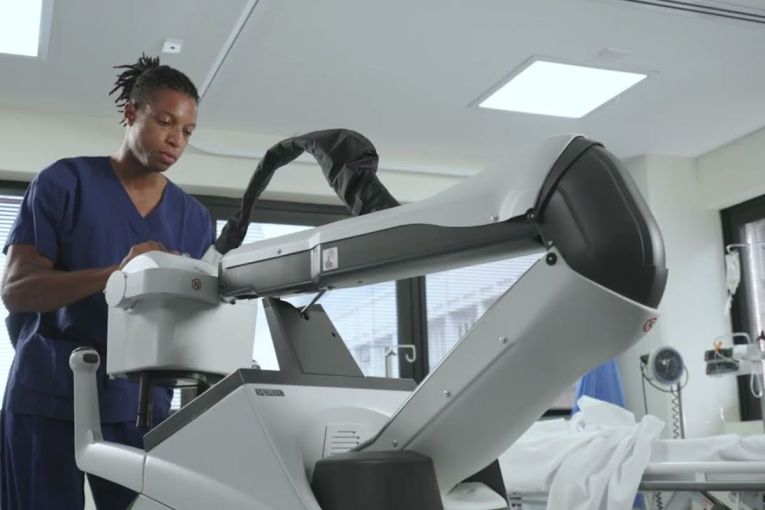
The industries shaping South Australia’s next business boom
Defence and space remain strong but entrepreneurs are also finding opportunities in AI, health, energy, ag-tech and advanced manufacturing.
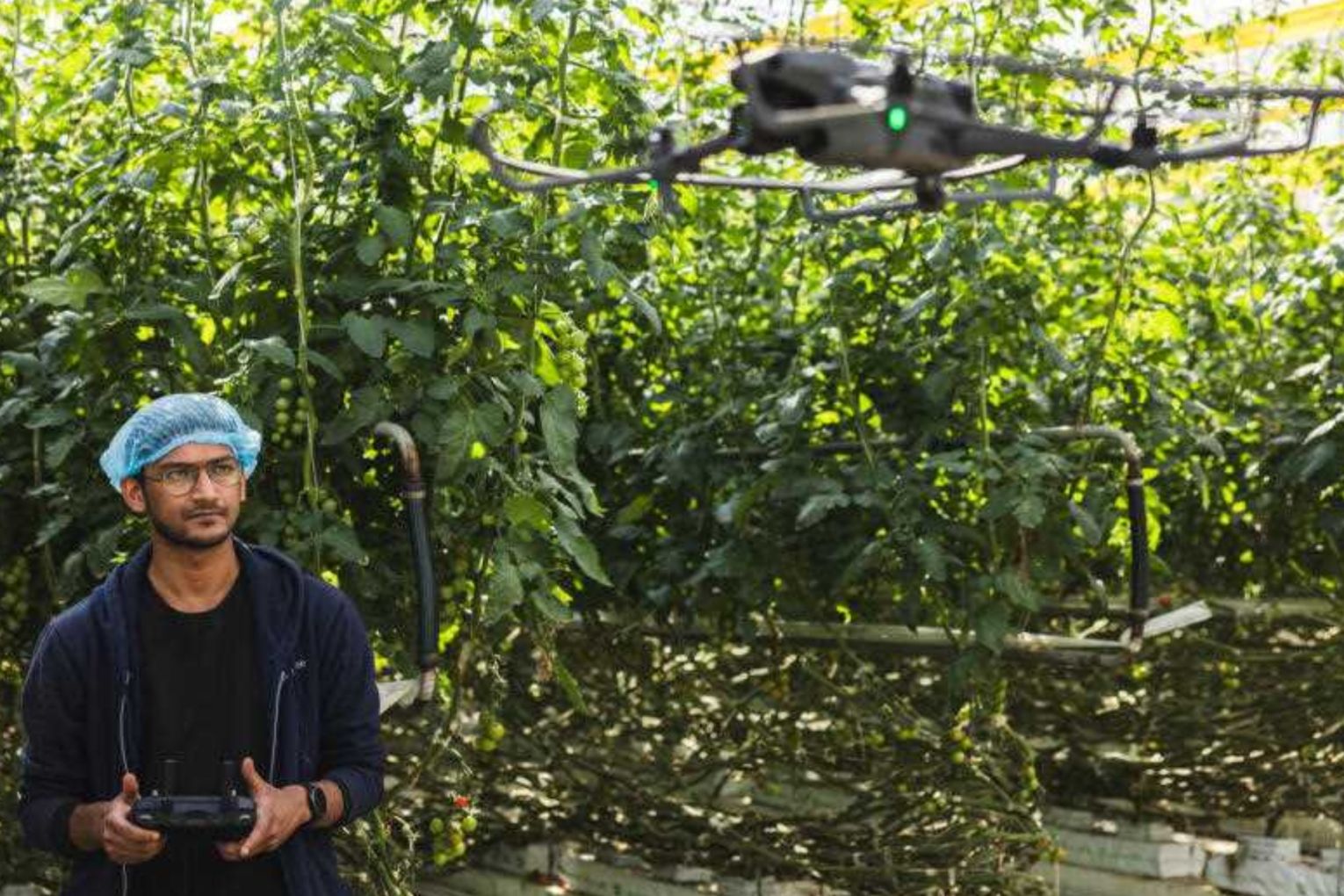
South Australia’s next generation of businesses is not waiting to become big before thinking big.
Increasingly, founders are looking beyond the state’s relatively small domestic market from the outset, using technology, specialist expertise and industry collaboration to build businesses with ambitions well beyond South Australia.
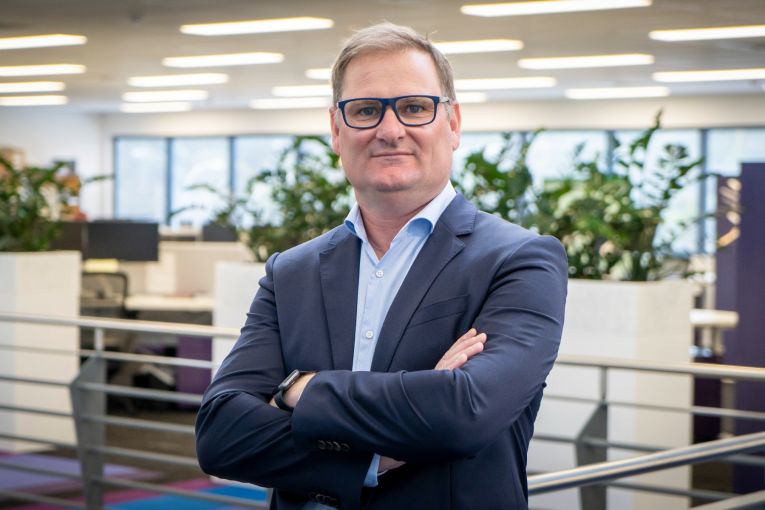
It is a shift that makes Troy Smith, director – R&D at HLB Mann Judd, positive about the state’s economic future.
“What gives me confidence is the ambition and sophistication we are seeing from newer South Australian businesses,” Smith says. “Many founders are thinking nationally and globally from the outset, while being willing to test ideas, innovate and collaborate with others to accelerate their growth.”
The state’s emerging businesses are also becoming more diverse in the industries in which they operate. Defence and space remain obvious areas of strength, but Smith says there is significant entrepreneurial activity across software and artificial intelligence, advanced manufacturing, health and medical technology, energy and ag-tech.
And increasingly, those industries are overlapping. Technologies developed for one sector are being adapted for another, creating opportunities for businesses that can combine expertise from different fields.
For a state with a relatively small population, that ability to develop specialist products and services for much larger markets could prove significant.
The technology advantage
You might like

Technology is becoming less of a separate industry and more of a tool being adopted across almost every part of the economy. That includes traditional sectors such as agriculture, mining and health, where emerging technologies can be used to improve productivity, develop new products or reach new markets.
“Technology and innovation are increasingly central to the business model,” Smith says. “They allow relatively small South Australian teams to develop products and services for much larger national and international markets.”
Artificial intelligence and automation are likely to accelerate that shift over the coming decade, changing everything from how businesses operate and manufacture products to how they deliver services.
For South Australia, Smith says the bigger opportunity is making sure the state’s research and technical expertise can be turned into businesses capable of scaling.
That means moving beyond innovation for innovation’s sake and creating companies that can take their ideas to customers well beyond the local market.
A willingness to experiment
The approach taken by younger businesses is also changing. Rather than spending years perfecting an idea before testing it, emerging businesses are often more willing to experiment, seek customer feedback and change direction when something is not working.
Smith says this willingness to test and refine ideas quickly is one of the characteristics distinguishing many newer businesses from more established companies.
Founders are also engaging earlier with universities, accelerators and industry networks, while considering their potential markets from the beginning.
That outward-looking mindset is particularly important in South Australia, where the size of the local market means businesses with significant growth ambitions often need to look interstate or overseas.
Stay informed, daily
But the state’s size can also be an advantage. South Australia has a relatively tightly connected network of entrepreneurs, universities, industry, government, investors and advisers.
“The South Australian ecosystem is highly collaborative and founders can often access the right people and expertise relatively quickly,” Smith says.
There is also an expanding support network for businesses moving from an idea towards commercialisation and growth, including independent and university-linked startup hubs and innovation centres that help connect the private sector with university expertise, alongside access to capital, customers, accelerator programs and initiatives such as the Department of State Development’s Seed-Start program.
The R&D Tax Incentive also continues to play an important role in supporting businesses investing in innovation and risk. The latest figures show South Australian claimants increased reported R&D expenditure by 20 per cent to $859 million, the largest percentage increase of any state with 766 South Australian companies participating in the program.
Smith says South Australia is also attracting international talent into its innovation ecosystem, bringing different experiences, expertise and ideas that can complement local capability and create new opportunities for collaboration.

The next decade
The challenge now is turning that ecosystem into more businesses that can scale.
South Australia already has considerable research capability and specialist expertise. The opportunity is to translate more of that knowledge into products, services and companies competing in larger markets.
The crossover between industries could be particularly important. A technology developed for defence could find an application in another sector. Research developed through a university could become the basis of a health business. Advances in AI could transform an agricultural operation.
For Smith, that increasingly interconnected business environment could help define South Australia’s economy over the next decade.
“One of the biggest trends will be the continued integration of technology across industries,” he says. “AI, automation and other emerging tech will increasingly change how businesses operate, manufacture and deliver products and services.”
The state’s ability to combine those technologies with its existing strengths in industries such as agriculture, mining and health could ultimately determine how much of the resulting economic value is captured locally.
That conversation will form part of the upcoming South Australian Business Index event, which will bring business leaders together to explore the trends, opportunities and challenges shaping the state’s economy.
For businesses already building with a national or global approach, the direction of travel is clear: being based in South Australia does not mean thinking small.
HLB Mann Judd is the proud data partner of the South Australian Business Index lunch and networking event. Join us as we count down the top 100 South Australian businesses. This year’s event will be held at the Adelaide Convention Centre on Friday, October 16. Purchase your tickets today!
Want to see more stories from InDaily SA in your Google search results?
- Click here to set InDaily SA as a preferred source.
- Tick the box next to "InDaily SA". That's it.