Snapshot: Warning signs as govt construction spending drives SA growth
SA now has one of the slowest rates of growth across all states and territories but overall is doing pretty well, Credit Union SA Chair of Economics at UniSA Susan Stone writes.
South Australia Economic Snapshot
Expectations for economic growth for Australia have been weakening over the 2026 period. The prolonged conflict in the Middle East and continued rates of higher-than-expected inflation are weighing on business performance and consumer confidence. South Australia has not been immune to these trends.
After experiencing some of the fastest growth rates and strongest consumer spending in the country, South Australia now has one of the slowest rates of growth across all states and territories. Business investment spending has also fallen with government construction spending driving what growth the state has seen. The most recent economic growth numbers for the state are just 0.5 percent, down from 1.3 percent last year.
Not surprisingly, the NAB business conditions index for South Australia has fallen, after peaking in 2025. Both conditions and confidence have declined in SA, however, these declines were smaller than those reported for businesses elsewhere in Australia.
The SA Business Chamber’s Survey of Business Expectations shows that confidence actually ticked up almost five percentage points in the June quarter and is significantly higher than national levels. Nevertheless, one must put this in context – confidence is at its lowest absolute levels since COVID.
Thus, while South Australia may be slowing, it is less than what is being seen in other areas of the country. And there are reasons to be optimistic about this fiscal year. South Australia is showing solid activities in areas of the economy that really matter.
You might like
Labour markets
The most recent Wage Price Index showed an annual growth of 3.2 percent for the nation but 3.6 percent growth for South Australia, making it the highest in the country. Real wages, on the other hand, fell with indices behind annual inflation (which stands at 3.8 percent nationally and 4.2 percent for SA). That means that workers are still not keeping up with rising costs.
The unemployment rate also creeped up to 4.5 percent nationally (was 4.4 percent) with unemployment over five percent in Victoria and Tasmania. At 4.1 percent, South Australia continues to have one of the lowest unemployment rates nationally, which is probably playing into our higher-than-average wage growth.
Labour shortages remain high in South Australia. According to Skills SA, SA is facing persistent skill shortages in more than 350 occupations, up from 149 in 2021, with 60 percent of employers reporting recruitment difficulties. The fall in skilled visa entries to South Australia over the past 12 months hasn’t helped, though they have not fallen to the same extent as Australia overall. The state remains an attractive destination for workers.
Housing
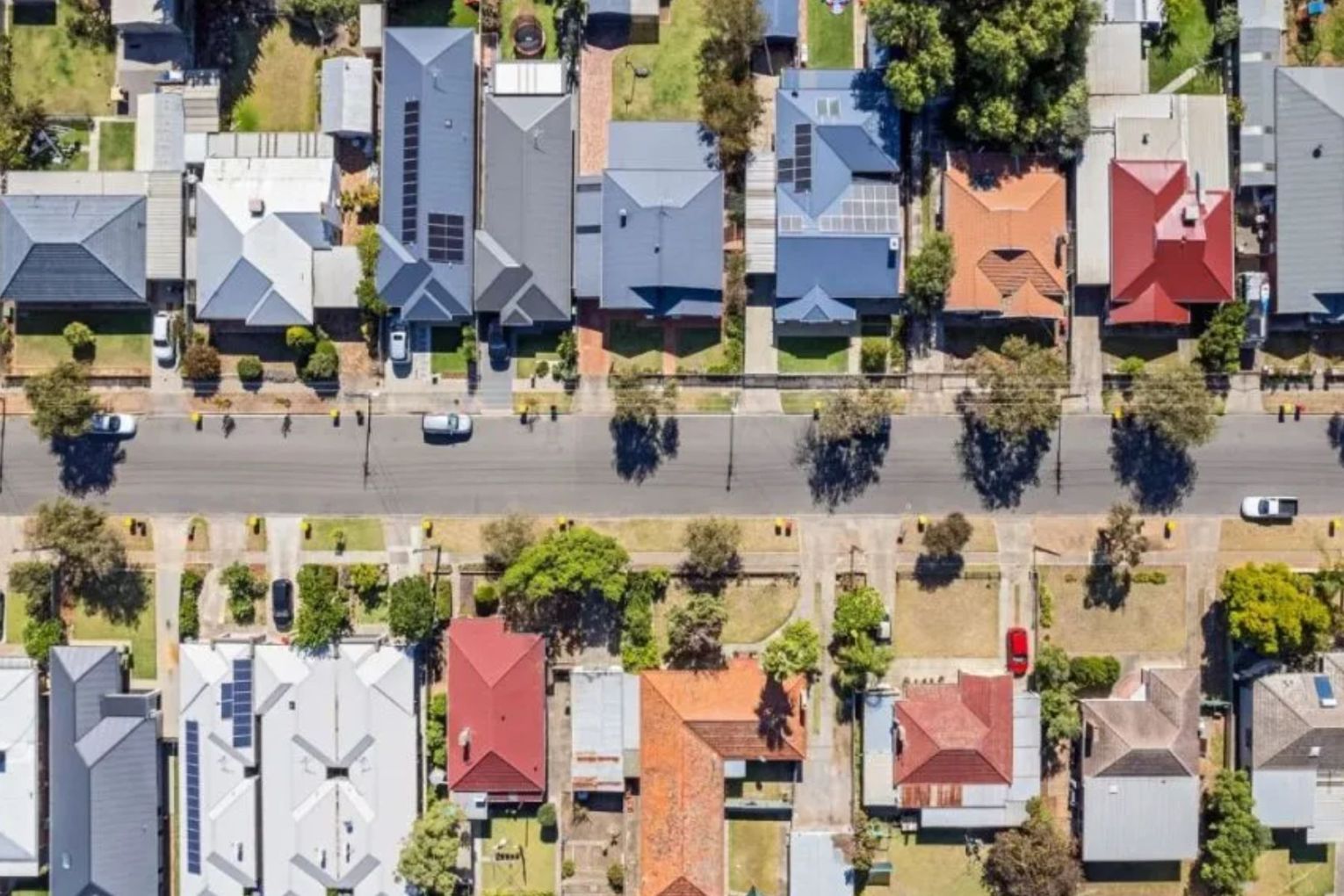
Adelaide is one of the few capital cities where housing values haven’t declined in the three months through June, while regional SA value growth is equal first with regional WA. Domain expects this continue, with Adelaide housing value growth tipped to increase, albeit at a slower rate (4 percent).
Stay informed, daily
Forecasts by ANZ , on the other hand, see Adelaide values falling in 2027 before recovering in 2028. And while the price drops expected by ANZ seem large (forecasting over 9.8 percent in Adelaide), they are still mild to the 14.5 and 12.8 percent expected in Sydney and Melbourne.
Most of the recent growth in the South Australian market is coming in the lower 25 percent value segments, likely driven by first time home buyers. Indeed, looking at the new home loan numbers, there is quite a difference between investors and owner-occupiers.
Overall, the number of new loans in the state fell 5.4 percent while values declined 5.2 percent. But the number of loans to investors fell 8.6 percent with values falling over 10 percent. This implies a bigger decline in more expensive homes. Owner-occupier’s loans fell only 3.3 percent while values fell by an even smaller amount – barely 1.0 percent, implying a bigger drop in lower priced homes. Some of these adjustments had been seen prior to the tax changes, but there is no doubt they are having an impact on the housing market.
Business
Businesses have been hit with increasing uncertainty. Growing protectionism in the global economy and war in the Middle East impact everything from packaging to transport. Given the long distances South Australian goods tend to travel, the state has been hit particularly hard by these factors.
Uncertainty tends to reduce business confidence and spending. Capital spending by businesses, while growing in 2025, has fallen by over 1.5 percent in the first half of the year. Almost half of Australian businesses reported operating expenses increasing through June 2026 while 15 percent reported delaying capital spending due to fuel uncertainty.
Some of the increase in business costs have been tied to concerns about government regulation. This now ranks third (behind costs and profits) of issues affecting SA businesses. Indeed, the SA Business Chamber reported a 10 per cent increase this year in the number of companies saying government regulation is a top concern (ahead of Economic Factors) with almost 20 per cent of SA businesses saying they spend 20 hours or more a week on compliance.
To grow, the SA economy needs a dynamic business environment. Yet we see business dynamics indicators declining. Since COVID, the rate at which SA has generated new businesses has fallen behind Australia overall (Tasmania is the only state with a smaller rate). Business counts have increased in SA by 3.3 per cent, well behind WA at 4.6 per cent and Queensland at 3.7 per cent. And while Lot Fourteen development is expected to double its current workforce by the end of 2028, the question remains as to whether this is enough to drive the kind of growth the state needs.
Outlook
Overall South Australia is doing relatively well, but it is relative. Warning signs are on the horizon. Housing supply remains a concern as does the tight labour market. Continued constraints on labour supply will put upward pressure on pay, and thus costs, to businesses. Getting the right mix of supply (with implications for construction, migration, TAFE completion rates and Uni students staying) and demand in the least costly way, is an imperative for reaching the state’s potential.
Want to see more stories from InDaily SA in your Google search results?
- Click here to set InDaily SA as a preferred source.
- Tick the box next to "InDaily SA". That's it.