ZEN Energy creditors to get paltry payout
Creditors of a high-profile energy company co-founded by leading climate economist Ross Garnaut – and with a major SA government contract – are learning their fate.
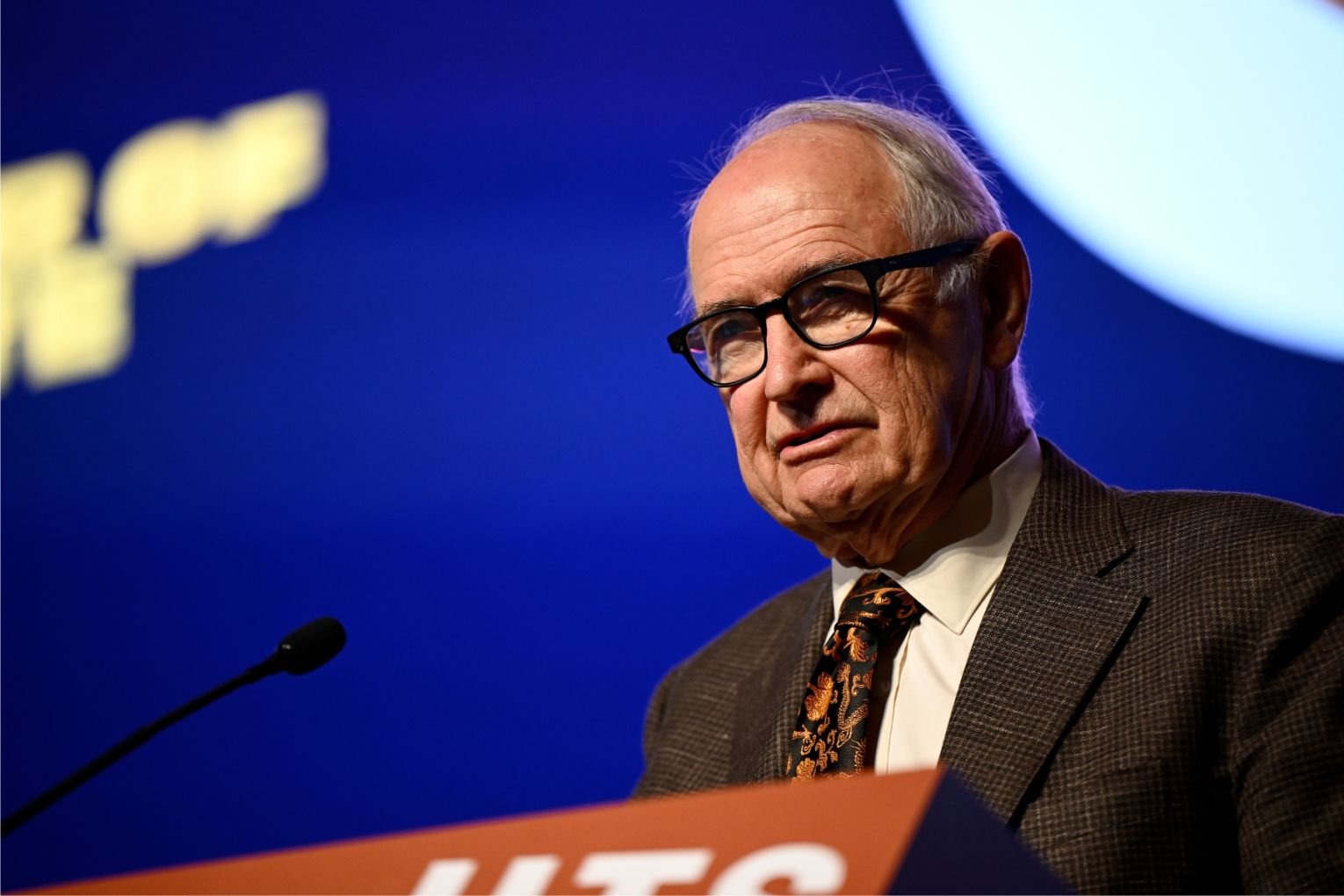
Administrators of collapsed renewable energy company ZEN Energy will only be able to claw back 10 cents in the dollar of money owed to secured creditors in the best-case scenario, a new report reveals.
The latest McGrathNicol report shows the Adelaide company co-founded by well-known identity Ross Garnaut, owed $1.1 billion to creditors as of June 30, 2026. But in the best-case scenario, administrators hope to be able to claw back only $45 million from the business’ assets, leaving a massive shortfall for all creditors.
ZEN’s 60 employees, which rank as priority creditors, were expected to have their $8 million in entitlements (annual leave, long service leave, redundancy payouts) paid in full if the business goes into liquidation.
InDaily revealed the appointment of administrators McGrathNicol to ZEN Energy in early July with its 60 staff plunged into unemployment. The administrators will on Friday recommend to creditors that the company be wound up, as no buyer could be found for ZEN Energy through a sales process earlier in the year.
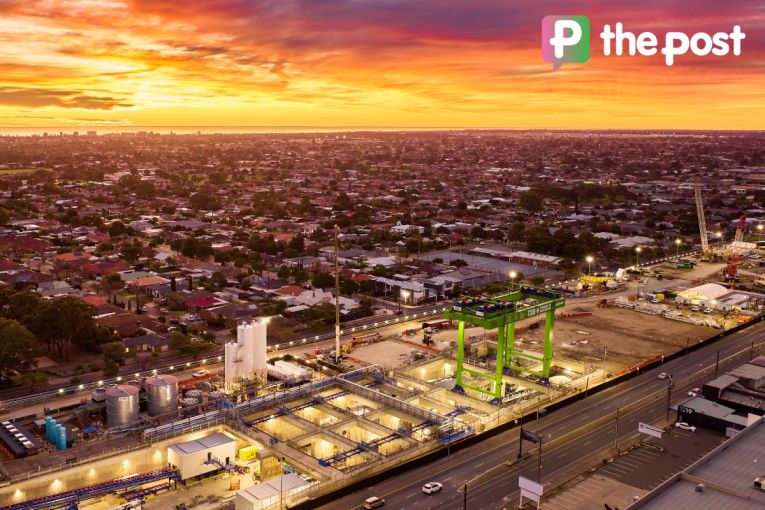
ZEN Energy was a South Australian renewable energy business and a major electricity supplier across the state and Australia, with solar farms in Tailem Bend and Renmark.
The company had been loss-making for some time. Losses grew from $69 million in 2024 to $163 million in 2025. As of June 30, 2026, losses had skyrocketed to $322 million, the latest report reveals.
You might like
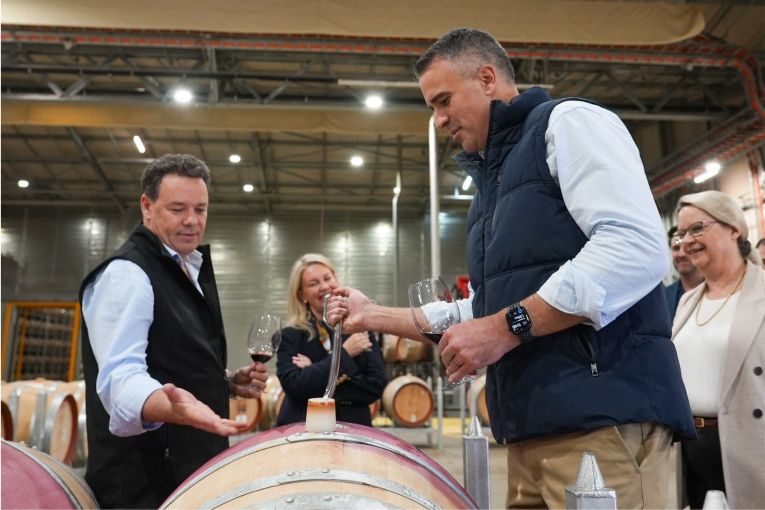

In 2020, ZEN Energy renewed its contract with the South Australian government to supply electricity to the state until 2035.
The Across Government Electricity Retail Agreement with ZEN Energy to supply 100 per cent renewable electricity to SA Government operations was worth an estimated $1.53 billion.
InDaily exclusively revealed that on the company’s collapse in early July, the state government transitioned to AGL to supply electricity to SA government facilities and essential services.
A government spokesperson told InDaily today that “the state government is currently assessing across agencies the extent, if any, to which it is owed money by Zen Energy”.
In the Administrators’ Report, administrators Robert Smith and Jason Preston of McGrathNicol wrote they “recommend creditors resolve to place ZEN into liquidation at the Second Meeting of Creditors”.
Having assessed the business and options available, the administrators said the estimated return to creditors would be a “nil return” in the “low scenario”.
Stay informed, daily
While in the “high scenario, a return of up to 10 cents in the dollars is potentially available to secured creditors”, the report reads.
Smith and Preston wrote that McGrathNicol did not attempt to sell the business after beomg appointed, as another attempt to sell was made only seven months prior.
Preliminary McGrathNicol investigations found that the company became insolvent from at least February 27, 2026 – just over four months before administrators were appointed.
Administrators identified two key events leading to the company’s collapse.
- About one year of increasing financial pressure, including a significant fall in large-scale generation energy prices which fell due to an oversupply in the market, meaning ZEN was selling electricity at a loss.
- The failure of the sale process of the business.
Administrators said company directors attributed the collapse to ZEN’s business model being exposed to “significant market risk through long-term and substantial positions in the energy market, with market conditions moving against these positions from FY24 to FY26”.
ZEN was paying more than the market rate to secure the energy products and contracts it needed to operate, including power purchase agreements, battery energy storage system dispatch and tolling rights, and wholesale contracts, they claimed.
ZEN Energy had also recently appointed new chair Mark Butcher in May, following the resignation of co-founder and green economist Ross Garnaut from the role in February.
Under its energy agreement with the state government, ZEN Energy committed to the construction, commissioning and operation of two new electricity generation and storage projects, including a 280MW solar farm at Cultana near Whyalla by 2022 and a 100MW utility battery at Playford near Port Augusta by 2023.
Due to third-party financing issues, ZEN Energy was unable to complete its contracted commitments.
The company has several major renewable energy projects across Victoria, New South Wales, WA and Queensland, including battery storage facilities and pumped hydro storage.
Want to see more stories from InDaily SA in your Google search results?
- Click here to set InDaily SA as a preferred source.
- Tick the box next to "InDaily SA". That's it.