Planning beyond approvals: MasterPlan looks to the future
With a new brand and digital transformation, the South Australian consultancy is positioning itself for a new era of increasingly complex projects, changing communities and long-term planning challenges.
After almost 50 years helping shape South Australia’s built environment, planning consultancy MasterPlan has unveiled a new visual identity and digital transformation, signalling the next phase of a business that has evolved alongside the state’s development industry.
The rebrand reflects more than a fresh look. As Australia accelerates investment in housing, defence, renewable energy and major infrastructure, MasterPlan is positioning itself for a future where planning consultants play an increasingly strategic role in guiding complex projects from concept to completion.
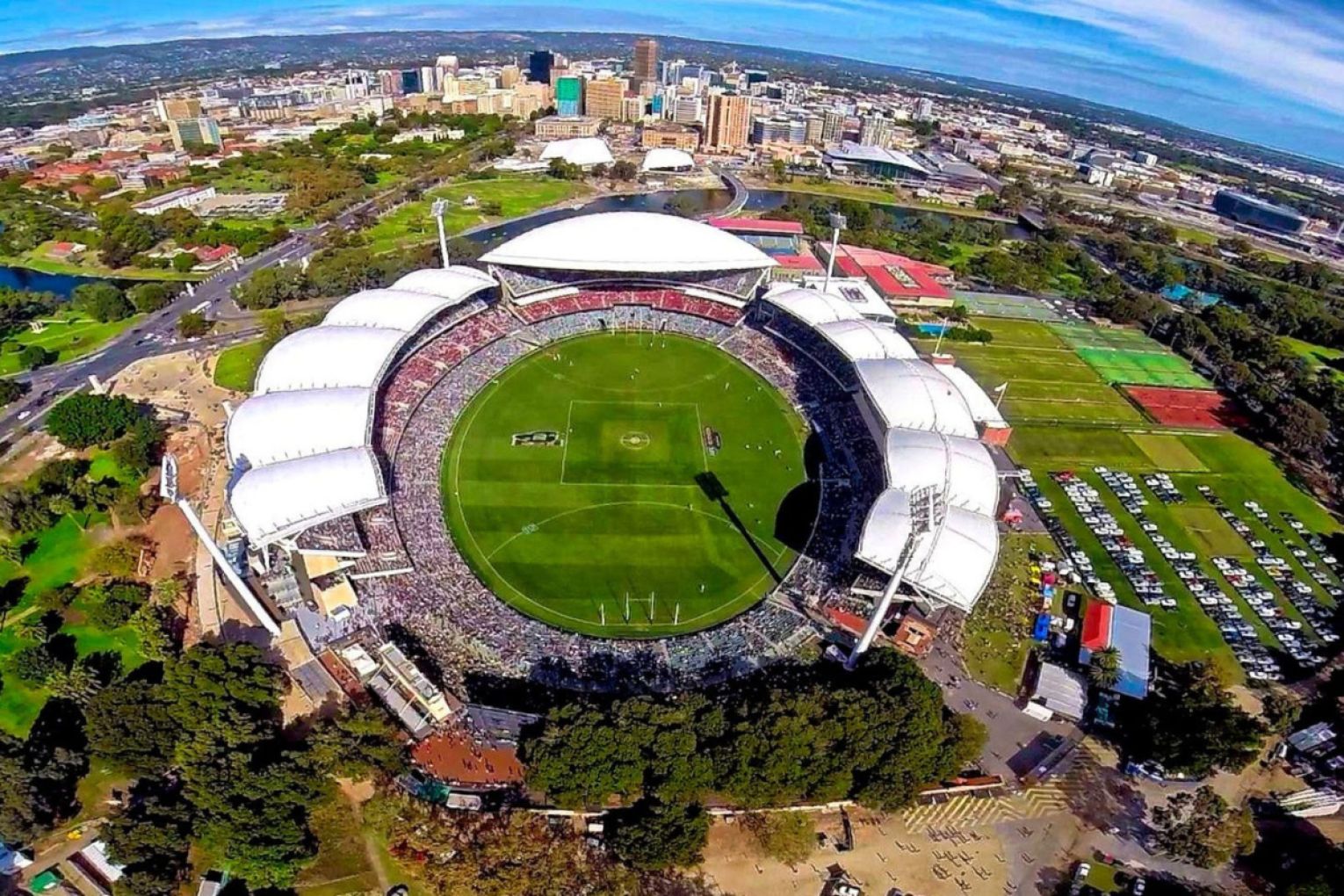
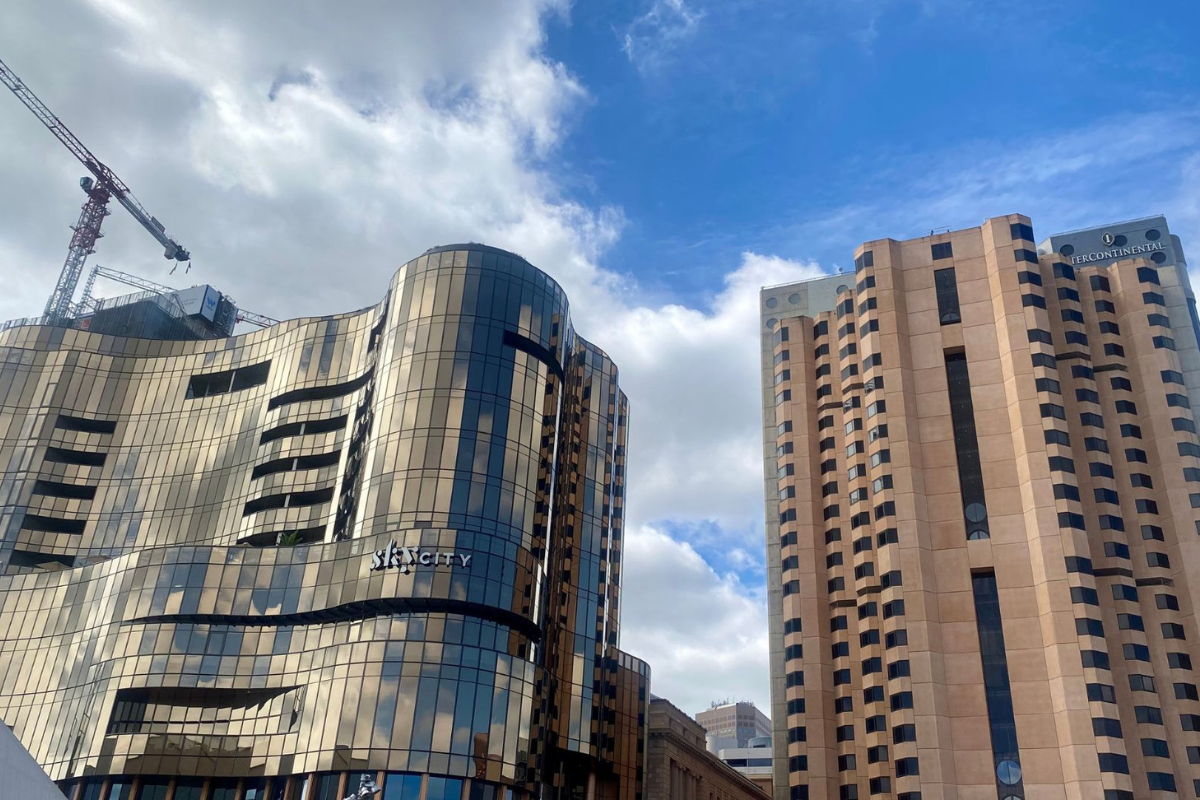
Founded in 1977, the Adelaide-based firm has worked on landmark developments including the Adelaide Oval redevelopment, the SkyCity Adelaide expansion and Southern Launch’s space facilities. Managing director Greg Vincent says the firm’s new identity captures the evolution of both the business and the planning profession over the years.
“There have not been any dramatic changes over the past five decades in the planning profession, but more of an evolution of change,” Vincent says.
As governments, communities and industry have become increasingly engaged in issues such as sustainability, housing, environmental protection and neighbourhood amenity, planning has become significantly more complex. Today’s projects require deeper technical expertise, greater stakeholder engagement and co-ordination across a wide range of specialist disciplines before an application is even lodged.
That means planning consultants are increasingly acting as project strategists, helping clients understand risks, navigate policy settings and assemble multidisciplinary teams capable of delivering successful outcomes.
“The role of a planning consultant is no longer preparing a report and lodging an application,” Vincent says. “It involves the co-ordinated planning of specialist consultants across a range of fields.”
The shift comes at a pivotal moment for Australia. Governments are investing heavily in housing, defence, renewable energy and infrastructure while population growth continues to place pressure on cities and regions.
You might like


Against that backdrop, Vincent says clients are looking for certainty as much as technical expertise.
Rather than simply asking whether a project can be approved, developers want to understand the pathway ahead – where challenges may arise, how policy or political considerations could influence decisions and what strategy offers the best chance of success.
“They need clarity and strategic direction,” Vincent says. “Clients need to know what hurdles they may face along the pathway to achieving their result.”
That strategic focus extends well beyond individual developments.
Planning decisions made today will influence how communities function decades into the future, whether through transport networks, housing supply, environmental protection or the balance between urban growth and preserving productive agricultural land.
“Strategic planning is planning for the future, not just the here and now,” Vincent says. “The decisions we make now will influence the places we live, work and play in for future generations.”
Those long-term considerations are becoming increasingly important as governments grapple with housing shortages while also responding to climate change, infrastructure demands and changing community expectations.
For MasterPlan, some of those challenges have played out on projects that have helped redefine South Australia’s identity.
Its involvement in the Adelaide Oval redevelopment demonstrated how planning can unlock major civic investment, while work on Southern Launch reflects the emergence of entirely new industries within the state.
For Vincent, projects like these reinforce South Australia’s growing confidence to invest in ambitious developments that deliver economic, social and community benefits over the long term.
“These types of projects take time and involve a vision that is supported by confidence in the economic and political environments,” he says.
While technology is transforming almost every profession, Vincent believes planning’s future will rely on more than digital capability.
MasterPlan continues to invest in visualisation tools, digital communication and staff capability, helping clients better understand increasingly complex proposals.
Yet Vincent argues that planning’s greatest challenge may actually be preserving human connection in an increasingly digital world.
“Preparing for the next generation of planning challenges is not just about digital and AI,” he says.
As online services, remote work and artificial intelligence reshape everyday life, planners will play an important role in ensuring cities continue to foster genuine interaction through well-designed public spaces, workplaces and neighbourhoods.
For Vincent, that means balancing efficiency with placemaking – recognising that successful communities are built around people as much as technology.
That philosophy also extends to MasterPlan itself, with the business focusing on developing its people alongside its technical capabilities.
“The biggest changes that we are making in the business is bringing our staff along for the journey and ensuring all staff live our values,” he says.
Looking ahead, Vincent expects the pace of change across the planning profession to accelerate.
Housing affordability, infrastructure delivery and employment will remain among Australia’s defining challenges, requiring innovative thinking from governments, industry and planning professionals alike.
Despite the changing landscape, MasterPlan’s focus remains consistent. “MasterPlan will continue to provide the quality of advice and service, while adapting to the needs of our clients while maintaining the enduring trust and respect that our company has earnt,” Vincent says.
As the consultancy approaches its 50th anniversary, its rebrand represents more than a refreshed visual identity. It signals a business positioning itself for the next generation of planning challenges – helping shape not just individual developments but the future places where Australians will live, work and connect.
“While understanding history is important to ensure that we know where we are in the present, it is important to plan for the future,” Vincent says.
Want to see more stories from InDaily SA in your Google search results?
- Click here to set InDaily SA as a preferred source.
- Tick the box next to "InDaily SA". That's it.