Adelaide set to play key role in renewable jet fuel industry
Labor leaders have announced a north-western Adelaide suburb will host a ground-breaking new facility to make jet fuel greener, one company landing tens of millions of dollars in funding.
A $32 million federal government investment will kickstart a major project across two states that would turn forest waste into jet fuel, as governments move to make fuel supply more resilient following the global oil shock caused by war in the Middle East.
While it was a Victorian company HAMR Energy that secured the funding from the government’s Australian Renewable Energy Agency, Adelaide will play a key role in the jet fuel creation process.
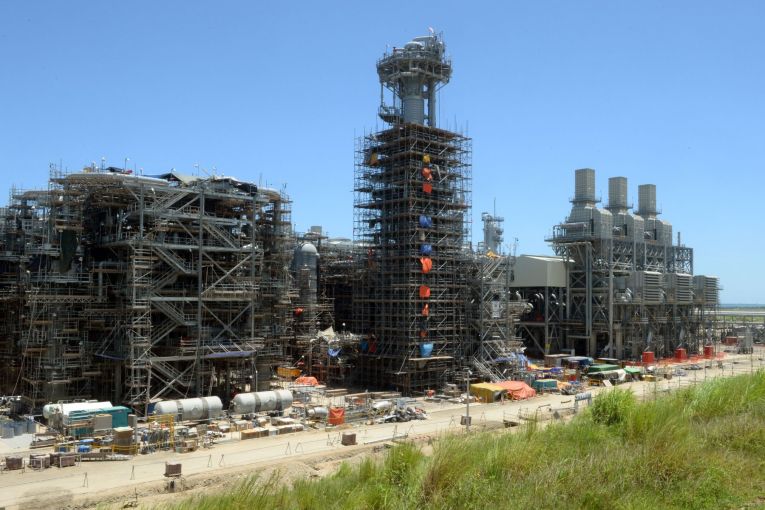
They would build a new site at Gillman that was expected to produce around 140 million litres of sustainable aviation fuel each year, equivalent to approximately 4.5 million single economy passenger trips between Adelaide and Melbourne.
The SA project was expected to cost some $700 million to $800 million, and was already supported by the South Australian government.
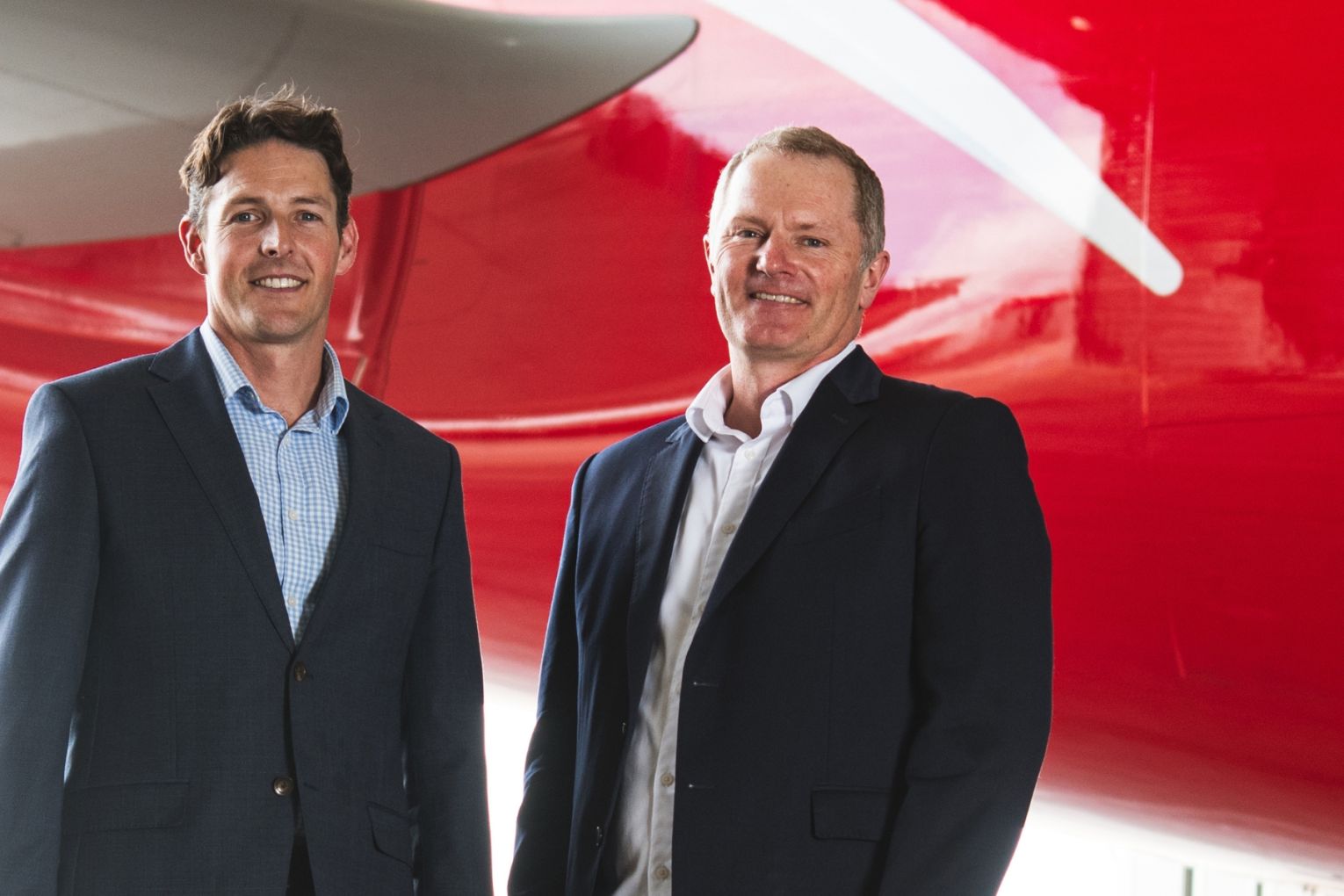
HAMR – co-founded by Melbourne-based engineers Alex Smith and David Stribley – developed a process that could turn forest waste into sustainable aviation fuel, renewable diesel and other liquid fuels.
You might like
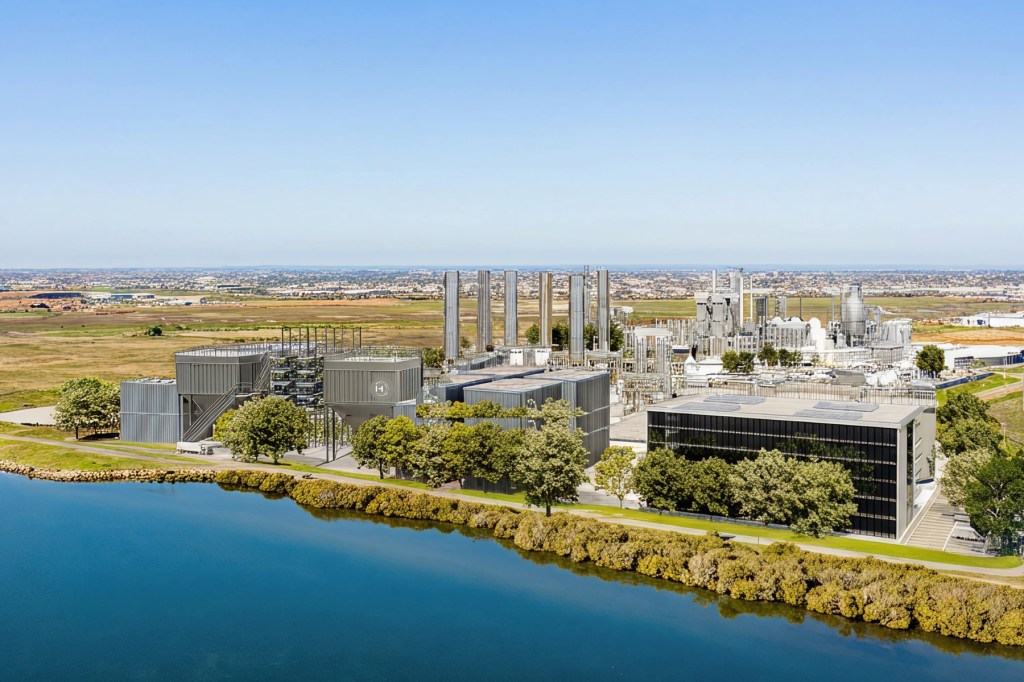
The methanol would be produced at a Victorian facility with the capacity to process approximately 600,000 tonnes of forestry residues left over after harvesting of trees such as sawdust, bark and woodchips.
This biomass would then be converted at a facility at Portland, Victoria, before being turned into aviation fuel in Adelaide using a technology designed by American conglomerate Honeywell.
The unding would be delivered in two stages, with $12.5 million available for the early design phase and a further $19.5 million for the detailed design phase, subject to HAMR landing extra co-investment from other sources.
Stay informed, daily
Earlier this year, HAMR raised $10 million from aviation giants Qantas and Airbus.
The company expected global demand for sustainable aviation fuel could reach 500 million tonnes by 2050.
HAMR co-founder David Stribley said the funding was a “significant milestone in Australia building a globally competitive domestic SAF industry”.
“These projects have the potential to strengthen Australia’s fuel security, reduce aviation emissions and create skilled jobs across construction, engineering, manufacturing and regional supply chains.”
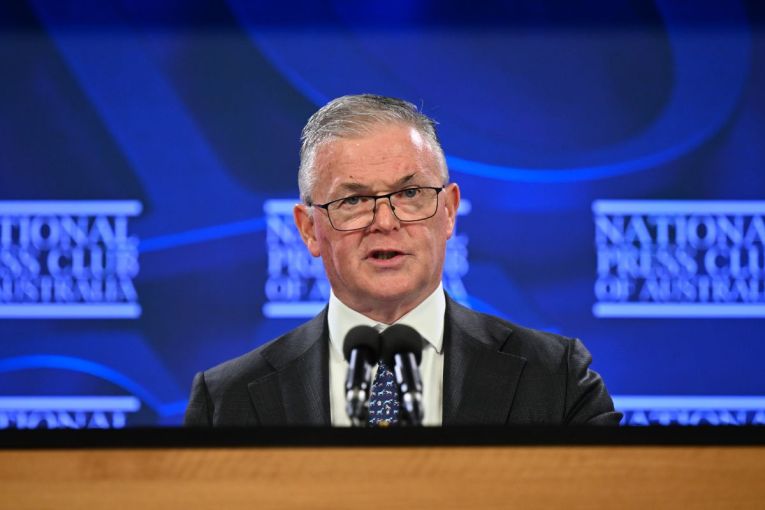
Federal Climate Change and Energy Minister Chris Bowen fronted a press conference in Adelaide today with Premier Peter Malinauskas and federal Transport Minister Catherine King.
He said the HAMR project would “strengthen Australia’s long-term fuel resilience by supporting more domestic fuel production and a more diverse fuel supply, making us more resilient to global energy shocks”.
While King said the production of renewable fuels in SA would “create new opportunities across the forestry, manufacturing, engineering and aviation sectors”.
“We are proud to be investing in this project that turns waste into fuels. It brings together a range of industry partners and investors with Australian expertise in aviation, fuels and engineering who will help us take the next step with these biofuels,” King said.
Malinauskas said SA was “at the forefront of creating a new sovereign jet fuel industry for Australia”.
“This innovative new project will position our state as a national leader in producing sustainable aviation fuel, strengthening our nation’s fuel security while attracting new investment to South Australia and creating highly skilled jobs and advanced manufacturing opportunities for decades to come,” Malinauskas said.
“Australia cannot afford to rely indefinitely on imported liquid fuels. Developing sovereign sustainable aviation fuel production is about building greater national resilience, supporting our aviation industry and ensuring more of the economic benefits from the energy transition are created here at home.”
Want to see more stories from InDaily SA in your Google search results?
- Click here to set InDaily SA as a preferred source.
- Tick the box next to "InDaily SA". That's it.