Meet the SA company turning mining waste into cancer treatments
It sounds like something pulled straight from science fiction, but a South Australian company is developing technology that could make cancer drugs cheaper and is plotting an IPO in the not-too-distant future.
By taking advantage of natural chemistry, a South Australian company hopes to become a major supplier of medical isotopes for cutting-edge drugs used in the treatment of cancer.
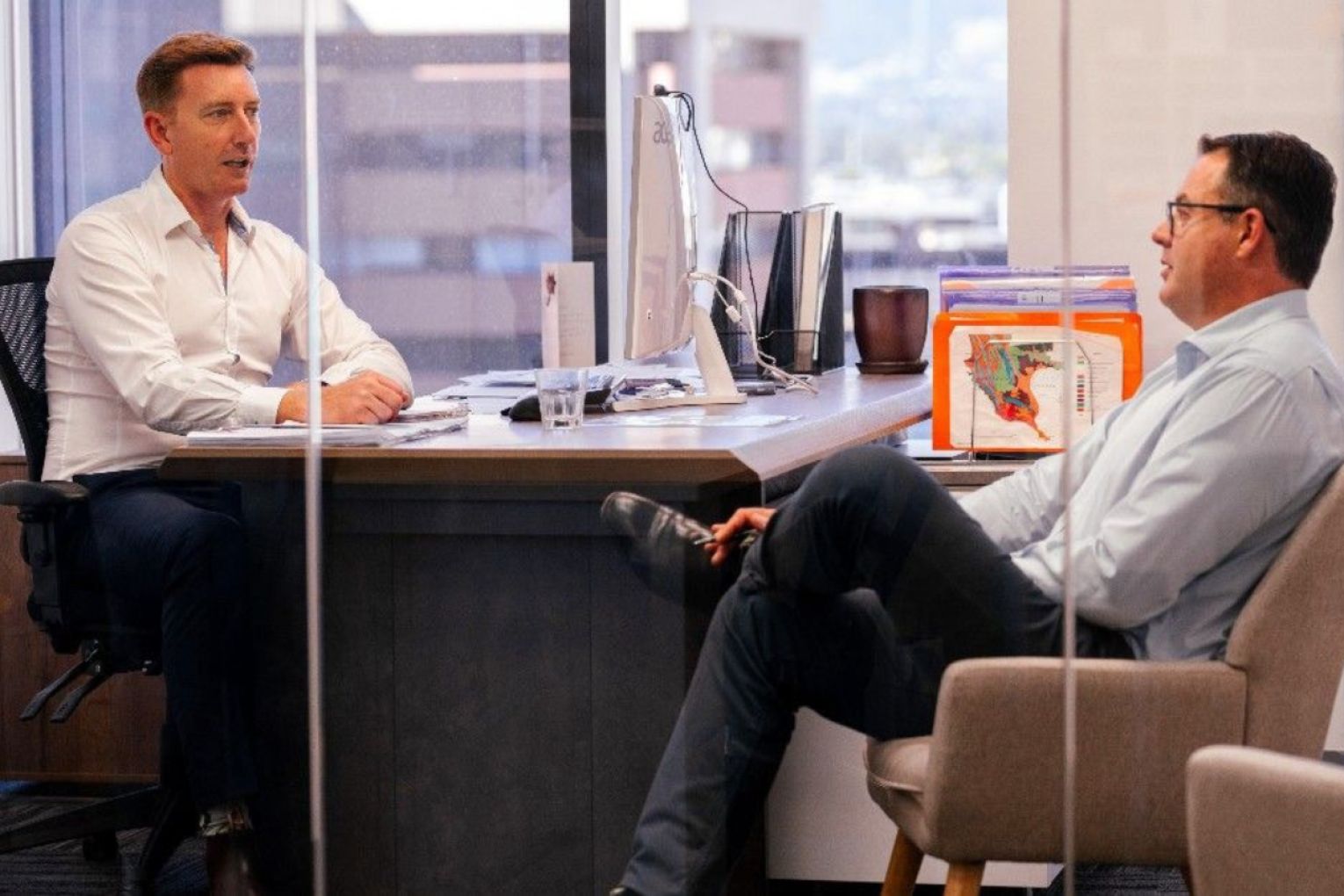
Based in the Adelaide CBD, entX – headed by managing director Bryn Jones, a qualified chemist and mineral and mining engineer – is progressing its vision for making these types of drugs cheaper and more accessible.
This would be achieved by partnering with rare earth mining companies to access their mining waste by-products, which include radium, and “milking” the rocks.
The company, also co-founded by director Tim Wise, has developed a chemical process to capture that waste stream, purify it and sell it into the medical market.
And it avoids the typical (and expensive) process for creating medical isotopes: blasting materials with subatomic particles in nuclear reactors.
The unlisted public company is now looking to scale up, Jones telling InDaily an ASX listing was on the cards for the firm.
You might like

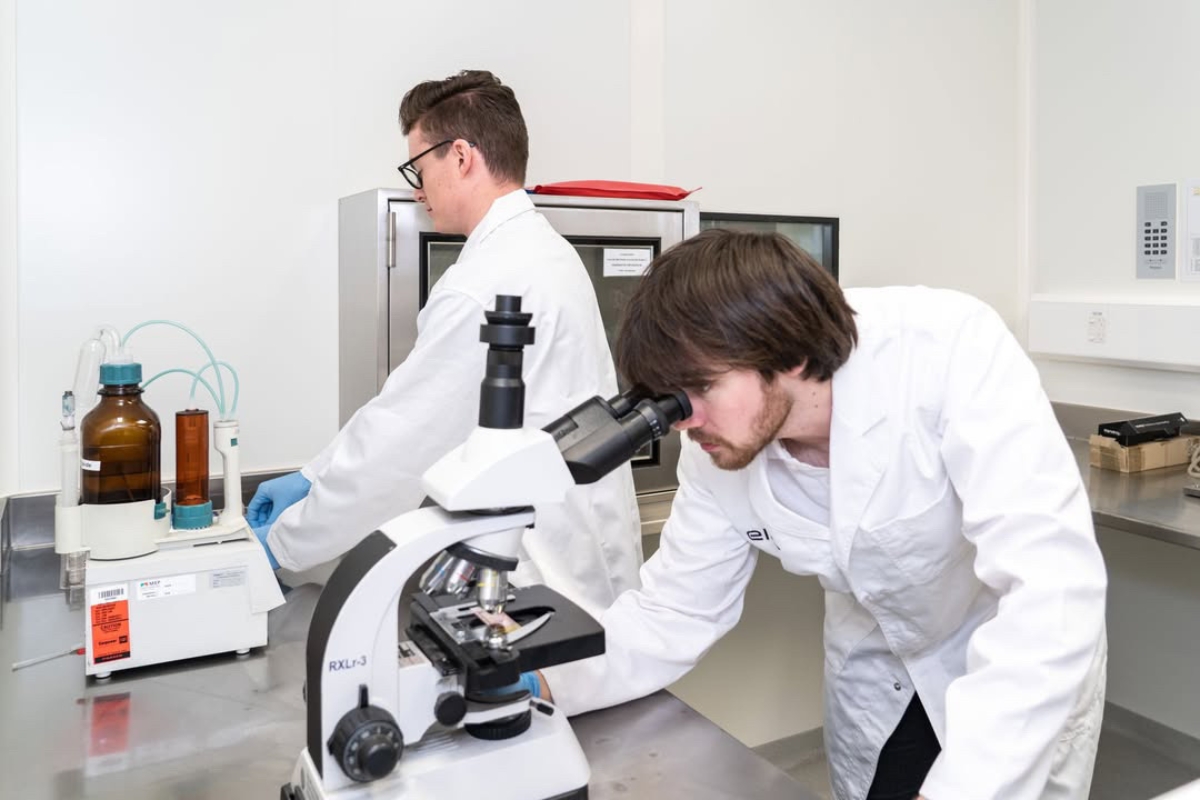
Recently, entX took delivery of its first batch of Radium-228, recovered and purified from legacy rare earth processing materials; a “major milestone”.
The company at the time said this represented how resources could be transformed into critical, life-saving medical treatments.
entX was now working with rare earths miners to capture a stream of inputs for its technology: “Our philosophy isn’t to necessarily own those resources and take on the mining risk and liability, because then you’ve got to worry about what the rare earth markets are doing, which is not our bag,” Jones told InDaily.
He would exploit a naturally occurring “change in chemistry” and believed Australian rare earth miners would be on board as they were “interested in what other societal benefits their processes can provide”.
“There’s no better societal benefit than taking what would be waste to them and turning it into cancer treatment, right?” he said.
Stay informed, daily
Jones said entX recently signed a deal with Australian cancer treatment developer Telix to sell its medical isotopes for use in cancer-busting drugs.
And it was running a pilot at the Australian nuclear and science technology organisation ANTSO.
It hoped to access a growing market, which Jones estimated would be worth between $300 million and $500 million per year by 2030, considering the already high costs of these types of drugs.
Jones hoped to bring that price down: “We want to be lower cost than everybody else”.
“The advantage of our Mines to Medicine pathway is you end up with secure chains at scale that don’t involve a nuclear reactor,” he said.
“A nuclear reactor in the middle of this whole supply chain is problematic from a cost perspective.”
Plus, Jones said the Oak Ridge National Laboratory in the United States – the main reactor that companies rely upon to make this material – was about 83 years old.
Also in the works were other future-facing technologies entX hoped could power Australia’s space industry.
This would include using its technology to power satellites for a long period and to warm technology so it could survive the cold lunar night, without the need for external power.
entX was expected in July to commission a facility in Greenfields, north of Adelaide, designed to take radium and turn it into medical isotopes. In three months, radium delivered from the ANTSO facility would generate enough thorium to be useful for drug companies.
There, Jones will “milk” rocks, with natural decay meaning the rocks turn from radium into thorium, then back to radium again.
“What we’ll end up with this facility up north is a big inventory management system that knows which rocks were milked, what its output was, and when we can go back to it and milk it again,” he said.
Want to see more stories from InDaily SA in your Google search results?
- Click here to set InDaily SA as a preferred source.
- Tick the box next to "InDaily SA". That's it.