New history of first contact tells two sides of our past
Next year’s commemoration of the 250th anniversary of Captain James Cook’s 1770 voyage to Australia is a timely reminder of the first encounters between European explorers and Indigenous peoples.
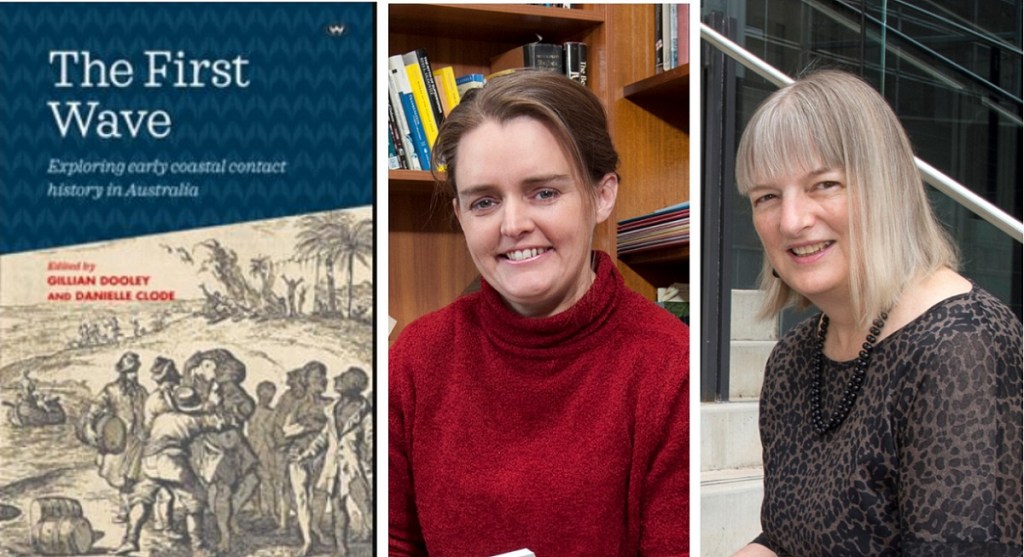
As public debate ranges from the cost of nation’s Cook celebrations to whether Australia Day should change its date from 26 January, a new Wakefield Press book co-edited by Dr Gillian Dooley and Dr Danielle Clode, senior research fellows at Flinders University, takes a fresh look at the ‘first wave’ of European arrivals.
The First Wave: Exploring early coastal contact history in Australia is an anthology attempting to understand the very different perspectives of European explorers and the Indigenous Australians they encountered. The First Wave includes poetry by Yankunytjatjara Aboriginal poet Ali Cobby Eckermann, fiction by Miles Franklin award-winning Noongar author Kim Scott and Danielle Clode, and an account of the arrival of Christian missionaries in the Torres Strait Islands by Torres Strait political leader George Mye.
Written for a general audience, the book’s contributors explore the dynamics of these early encounters, from Indigenous cosmological perspectives and European history of ideas, from representations in art and literature to the role of animals, food and fire in mediating first contact encounters, and Indigenous agency in exploration and shipwrecks.
The project began when Dr Dooley was reading an account of Matthew Flinders’s journal of his circumnavigation of Australia (1801–1803). She began to wonder what lay behind the observations he recorded of the Aboriginal inhabitants. And what lay behind his accounts of the meetings and transactions between them and the members of the expedition – officers, scientists and crew?

Flinders and his crew brought with them a wide range of assumptions about Australia’s original inhabitants, most of them based on sketchy or non-existent knowledge, contemporary stereotypes like the ‘noble savage’, and an automatic belief in the superiority of European civilisation. Mutual misunderstanding was almost universal, whether it resulted in violence or apparently friendly transactions.
“Perhaps the limits of empathy are reached not so much when the parties fail to understand each other, but when they fail to acknowledge their ignorance and act out of misguided arrogance or fear,” she says, in her essay in the book (‘Matthew Flinders and the limits of empathy’).
There is plenty of documentation of the European point of view, but what is the other side of the story? How can we understand the sometimes puzzling behaviour of the various Aboriginal peoples encountered by the Flinders voyage? What were the Europeans not seeing? What accounts of these events survive in the traditions and cultural memories of these peoples? Can continuing cultural knowledge and practices help us explain what was going on more than two centuries ago?
The First Wave attempts to answer these questions – from both the European and Indigenous perspectives – by bringing together original research and creative works on the dynamics of early encounters. These encounters come to vivid life on the page, seen not only through explorer’s journals and logbooks, but also in Indigenous song and dance.
The book deliberately emphasises the perspective of expeditioners and explorers, as opposed to the Europeans who arrived later with the explicit intention of invading, appropriating and exploiting the country.
Stay informed, daily
The editors conclude that while it’s useful to understand that explorers like Dampier and Cook were products of their time and perhaps did not intend or forsee the harm they were causing, “they should not be canonised, nor should their version of events be privileged”.
“In this volume,” they say, “we hope to take a step back from current debates and reflect upon the historical forces that, for better or worse, formed the country we now live in.”
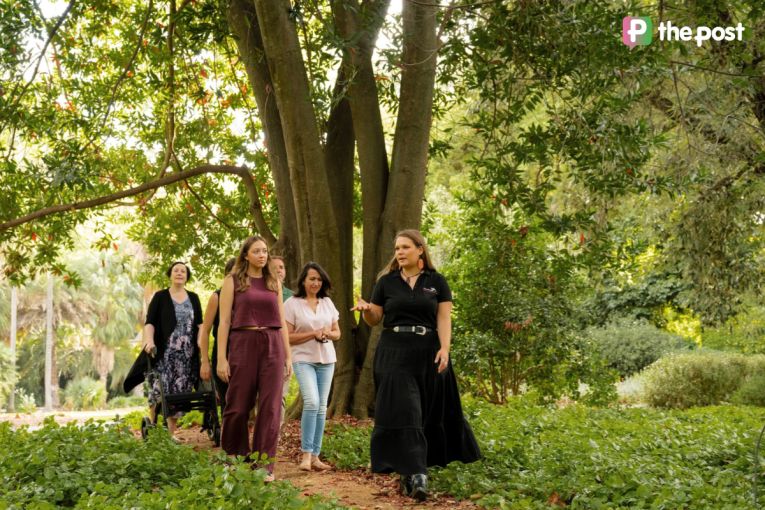
Flinders University’s College of Humanities, Arts and Social Sciences will host a launch event for the new book at Flinders at Victoria Square, City this week.
Want to see more stories from InDaily SA in your Google search results?
- Click here to set InDaily SA as a preferred source.
- Tick the box next to "InDaily SA". That's it.