PM embraces “vibrancy”: SA hopeful on public transport funding
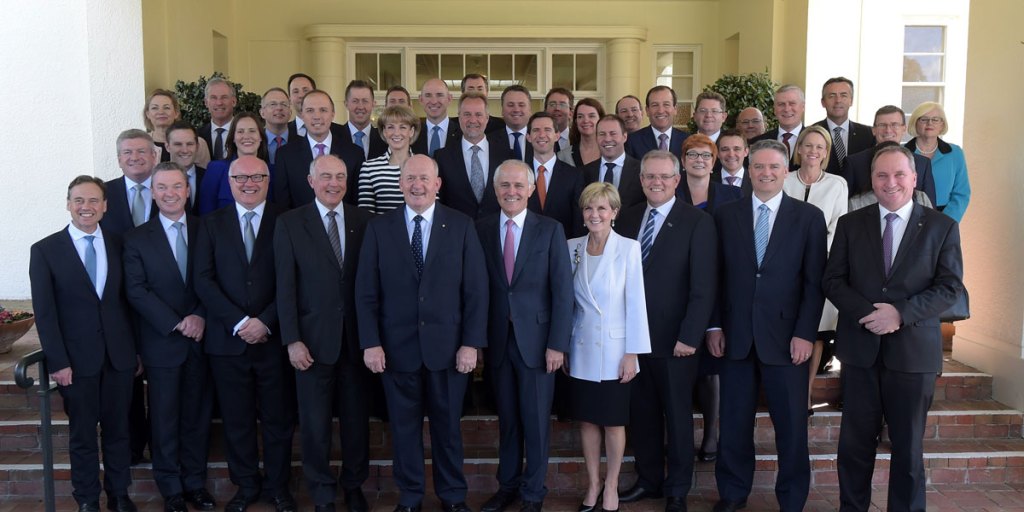
Malcolm Turnbull has signalled a “major shift” on one of the Coalition’s fundamental policy disputes with the Weatherill Government, flagging a retreat from Tony Abbott’s hardline stance against funding public transport infrastructure.
Premier Jay Weatherill today welcomed the new Liberal leader’s rhetorical focus on city “vibrancy”, saying he was “excited” by the possibilities presented by a shared approach.
“Integration is critical,” the fledgling Prime Minister said yesterday.
“We shouldn’t be discriminating between one form of transit and another … roads are not better than mass transit or vice versa, each of them has their place.”
It’s a rhetorical – if not ideological – shift that has the South Australian Premier speaking effusively of a new era in Commonwealth-state relations, despite the obvious partisan differences.
“This is a really major shift in direction for the Commonwealth Government, on a whole range of levels,” Weatherill told InDaily today.
“There was a clear demarcation that Abbott drew between Commonwealth and state responsibilities … he took the view that the Commonwealth wasn’t responsible for cities, states were.”
Weatherill says the debate over funding roads over public transport “became quite an issue early on in our relationship” with the Abbott administration.
You might like

The appointment of SA right-winger Jamie Briggs to the newly-created ministry of Cities and the Built Environment is symbolic of the shift, given Briggs in his previous role assisting in Infrastructure became the harbinger of doom for rail funding projects such as the electrification of the Gawler line.
In announcing the new appointment, Turnbull emphasised that “infrastructure should be assessed objectively and rationally on its merits”.
“There is no place for ideology here at all,” he said.
“The critical thing is to ensure that we get the best outcome in our cities.”
Turnbull talked of the importance of “liveable, vibrant cities”, arguing: “Historically the Federal Government has had a limited engagement with cities, and yet that is where most Australians live, it is where the bulk of our economic growth can be found.”
“We often overlook the fact that liveable cities, efficient, productive cities, the environment of cities, are economic assets,” he said.
Weatherill says the possibilities presented by this approach are “exciting”.
“Describing cities as economic assets in their own right, this is absolutely central to the point we’ve been making about the City of Adelaide and the critical relationship cities play in regional development,” he said, noting that Turnbull “even used the language of city ‘vibrancy’”.
“Affordability of housing, the way in which a city operates, is absolutely central to how we grow and thrive (so) we think this is a really exciting opportunity for us.”
He expressed a hope that his Government could work closely with Briggs, despite butting heads on previous occasions.
Stay informed, daily
“A lot of the sources of conflict were around constraints placed on him by the federal policy,” said Weatherill.
“He now has a new remit … almost the opposite remit to the one he had previously.”
He said the new approach could yield a range of new “urban development opportunities” distinct from merely funding road transport infrastructure, which was “just about getting from A to B in the most efficient way possible” but had potential to “actually divide communities”.
“Putting in large pieces of infrastructure might be very efficient and effective for road transport but it can divide nearby communities…(so) this throws up real possibilities for us, and it’s very welcome,” he said.

Civil Contractors Federation chief executive Phil Sutherland said if there was “a shift back to the Federal Government supporting domestic transport infrastructure (such as) railway lines … we would say that’s good”.
He said it was unclear what the separation was between Briggs’ new domain and Warren Truss’s ministries of Infrastructure and Regional Development.
“Does it mean (Briggs) is responsible for urban transport infrastructure such as South Road, growing the cities out and supporting them with federal investment in infrastructure? I suspect that’s where it’s going,” he said.
He said he would urge funds withdrawn from projects such as the Gawler line be reinstated, and denied large investments in road projects such as South Road and the Northern connector did not preclude new funding for rail and other projects.
“No, because the funding we have in SA from the Federal Government pales into insignificance compared to federal funding for infrastructure in the eastern states in particular,” he said.
“We talk in the millions of dollars and they talk in the billions, so they’ve got a long way to go.”
He said his organisation was ready to “offer solutions and ideas and leadership around where Government can get the best return on investment”, arguing SA’s freight corridors are “well below par”.
“The question is why is SA struggling on almost every economic metric, and part of the responsibility lies in substandard freight corridors,” he said.
“And that includes railways, roads and ports in particular…They could certainly get on building a deep water port for a mining industry in SA that’s gone into recession.”
Want to see more stories from InDaily SA in your Google search results?
- Click here to set InDaily SA as a preferred source.
- Tick the box next to "InDaily SA". That's it.