Treasury Wine shares soar on profit result
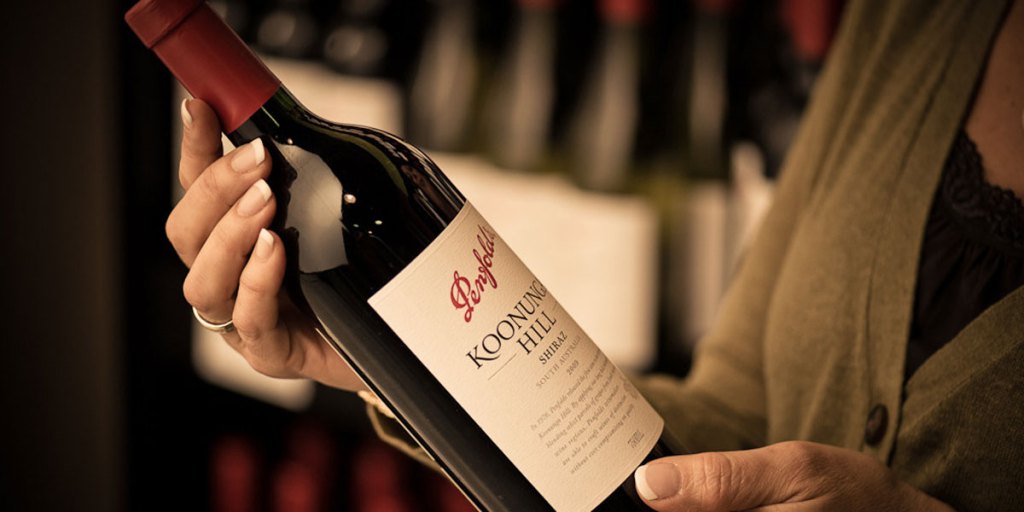
Shares in Treasury Wine Estates have soared after the company returned to profit, partly boosted by a lower Australian dollar and stronger sales from its core brands.
The wine maker, with brands including Penfolds, Wolf Blass, Beringer, Lindeman’s and Rosemount Estate, made a net profit of $77.6 million for the year to June 30, up from a $101 million loss a year ago when it was hit with more than $280 million in writedowns.
Treasury Wine lifted underlying earnings 22 per cent to $225.1 million, partly because of a more than eight-per cent increase in sales revenue.
Shares in Treasury Wine were 70 cents, or 12.8 per cent, higher at $6.21 at 1028 AEST.
Treasury Wine’s 15 core brands generated more sales compared to last year.
You might like


The company also benefited from a lower Australian dollar.
Treasury Wine chief executive Michael Clarke said fiscal 2015 was a re-set year for the company, during which substantial strategic, operational and cultural changes were made.
“The team has achieved in just 12 months, what might reasonably be expected to occur over a two to three-year period,” Clarke said.
“Fiscal 2015 represents the first successful year of TWE’s journey to transition from being an order-taking, agricultural company to a brand-led marketing organisation.”
Stay informed, daily
The new approach included shifting the release date of the iconic Penfolds wines, to allow for a longer sales period.
Clarke said fiscal 2016 would be about growth, with the company entering the new financial year with the greatest pipeline of consumer marketing programs in place in its history.
“By the end of the first half of fiscal 2016, 10 of our 15 priority brands will either be relaunched, refreshed via outstanding innovation or promoted via exciting advertising and brand activation campaigns,” Clarke said.
Clarke said the 2015 full year result partly reflected the company’s continued focus on premium brands, greater investment in marketing and cost cuts.
The winemaker also reduced stock levels among its retailers and distributors across all of its four operational regions.
The Australian, New Zealand and Asian markets reported strong growth.
In the Americas, earnings were in line with the prior year, partly affected by the depreciation of the Canadian dollar relative to the US dollar.
Demand for luxury and “mass prestige” wines was growing but there was falling demand for cheaper commercial wine in most key markets.
The company delivered more than $40 million in cost savings, surpassing its target of $35 million.
Treasury Wine expects to make a further $15 million in savings in fiscal 2016.
Want to see more stories from InDaily SA in your Google search results?
- Click here to set InDaily SA as a preferred source.
- Tick the box next to "InDaily SA". That's it.