Selling ASC makes sense – if it can build cheaper ships
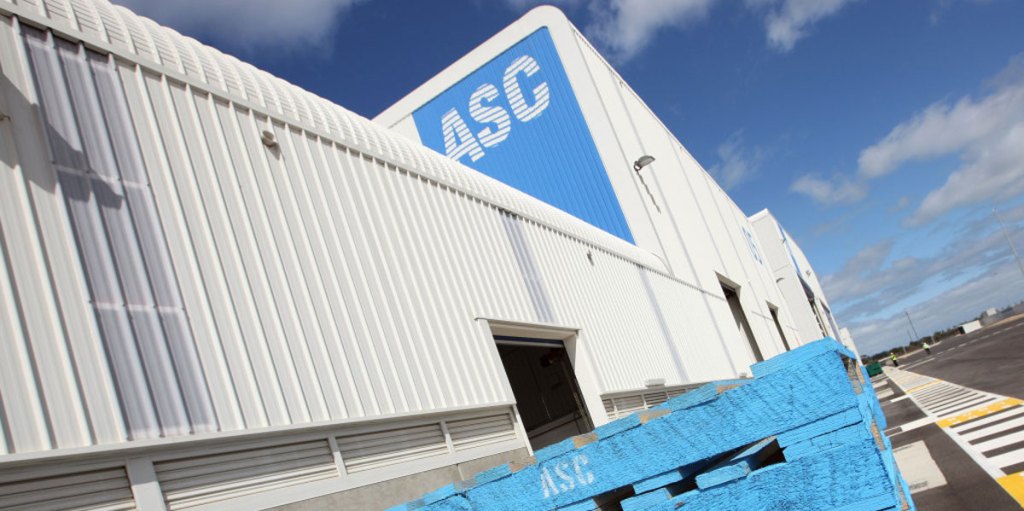
Australia could end up with a much bigger navy as the government embarks on a national shipbuilding program which turns out new vessels every two years.
A study by the Australian Strategic Policy Institute says this is likely to involve the sale of the government-owned shipbuilder ASC. But this would only make sense if ASC could build ships cheaper than it does now.
ASPI analysts Andrew Davies and Mark Thomson said the nature of the continuous production process suggested the navy could end up with a surface warship fleet of 14 or 15 vessels, up from the current fleet of eight Anzac frigates and three air warfare destroyers.
The new ships are likely to remain in service for shorter periods, of around 20 years, rather than the current 30.
To cover any shortfall in domestic demand, there would have to be exports, more feasible as efficiency improves and the falling Australian dollar makes them cheaper.
You might like


ASPI said much of the debate about shipbuilding centred on the “valley of death”, the period of years between end of current projects and the start of new work.
That’s now biting, with significant job layoffs in shipyards in Melbourne and Newcastle giving state governments, shipbuilders and unions considerable leverage.
ASPI said this was a case of the tail wagging the dog – the purpose of naval shipbuilding is to provide the navy with ships not to provide industry with work.
But the federal government is clearly paying attention, with Prime Minister Tony Abbott recently signalling the government was close to embarking on a new shipbuilding plan featuring a rolling build program, most likely to replace Anzac frigates which start to reach retirement age in about 2025.
Stay informed, daily
“Given the strong political pressure associated with the potential offshore build of the future submarines, there’s a risk that the government will be railroaded into promising the future frigate program to South Australia as a sop,” the study says.
Australia’s shipbuilding industry has a mixed record. The project to build 10 new Anzac frigates was a success with ships delivered on budget and close to schedule.
The current project to build three air warfare destroyers is running more than two years late and as much as $1 billion over budget.
ASPI said that history showed privately owned shipyards performed better and that the traditional boom and bust approach undermined performance.
The paper says selling the ASC could make sense, despite the fact that it would “literally be a case of the government paying someone to take the firm off its hands”.
“Thinks about it: the sale price will reflect the net present value of anticipated risk-adjusted cash flows, and all the foreseeable cash flows will come from the government: hence, the government is going to pay the buyer,” the paper says.
“Even if there’s an upfront payment to save face, the long-term net financial transfer will flow from the taxpayer to the private sector. The only question is how much.
“But it will makes sense to sell ASC provided that the cost to the government of securing ASC’s services is less under private ownership that under government ownership. Or, to put it another way, what matters is that the firm can efficiently complete its present workload and potentially play a role in the government’s promised ‘naval shipbuilding enterprise’.
“Most observers agree that these goals would be more readily achieved with ASC in private hands.”
Read the full paper here.
– with AAP
Want to see more stories from InDaily SA in your Google search results?
- Click here to set InDaily SA as a preferred source.
- Tick the box next to "InDaily SA". That's it.