Shorten warned to give “proper” answers
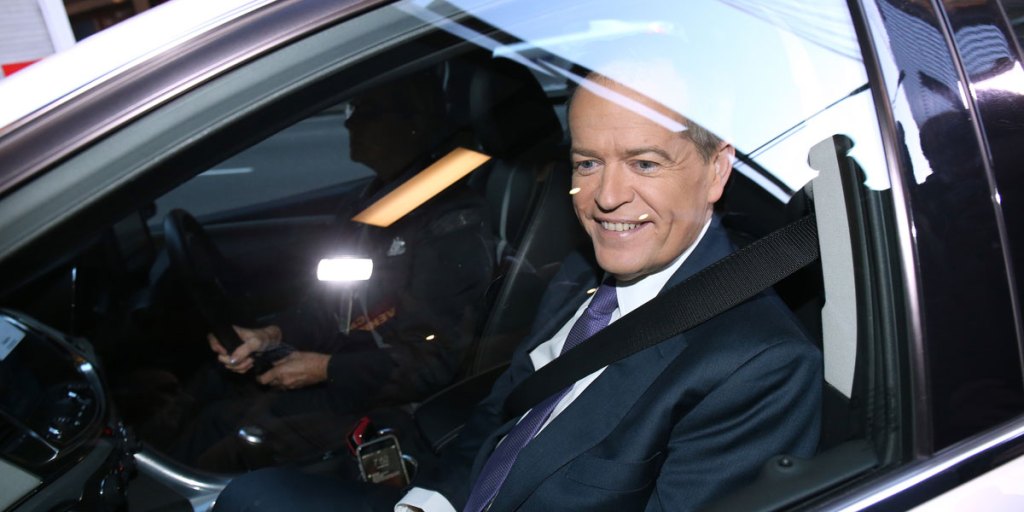
Commissioner Dyson Heydon has warned Bill Shorten to give “proper” answers as the Labor leader faced questions about his deals as a union boss.
In his second day in the royal commission witness box, Shorten was grilled about a deal between the Australian Workers Union and construction company Thiess John Holland to pay the union $300,000 over three years for “services”.
The deal came on top of an enterprise bargaining agreement relating to Melbourne’s EastLink road project, approved in March 2005, that Mr Shorten, as Victorian AWU secretary, negotiated with Thiess.
Shorten said several times under questioning that he could not recall discussing money amounts with Thiess.

Heydon told Shorten that many of his answers to questions from senior counsel Jeremy Stoljar had been “non-responsive” and if he kept it up, he could still be on the stand at hearings in August or September.
“I do think some concentration on your part on giving a proper answer … is in your self-interest and it’s something Mr Stoljar is entitled to,” the commissioner said.
Shorten said he could not answer for other union officials in terms of their training budgets.
“What I can guarantee you, Mr Stoljar, is that anything which I would have done with that site or any site would be to make sure we were providing services for our members and it is absolutely standard practice to seek employers to pay for services that unions provide to their members,” Shorten said.
Asked whether some of the payments had covered bogus invoices for services such as a study into back pain that was never delivered, Shorten said: “I would never be party to issuing any bogus invoices, full stop.”
Stay informed, daily
Shorten did not recall the research, but expected it would have been done if it was billed.
He said it was not surprising that companies engaged with unions after EBAs were signed.
Thiess had faced “rocky industrial relations with a range of more militant unions”, Shorten said, and the AWU’s involvement guaranteed greater cooperation.
“I do think that the company saw a value to having the AWU … (on) this civil construction project and that we were servicing our members regularly,” he said.
The hearing continues.
Want to see more stories from InDaily SA in your Google search results?
- Click here to set InDaily SA as a preferred source.
- Tick the box next to "InDaily SA". That's it.