Sports helps beat middle-age blues
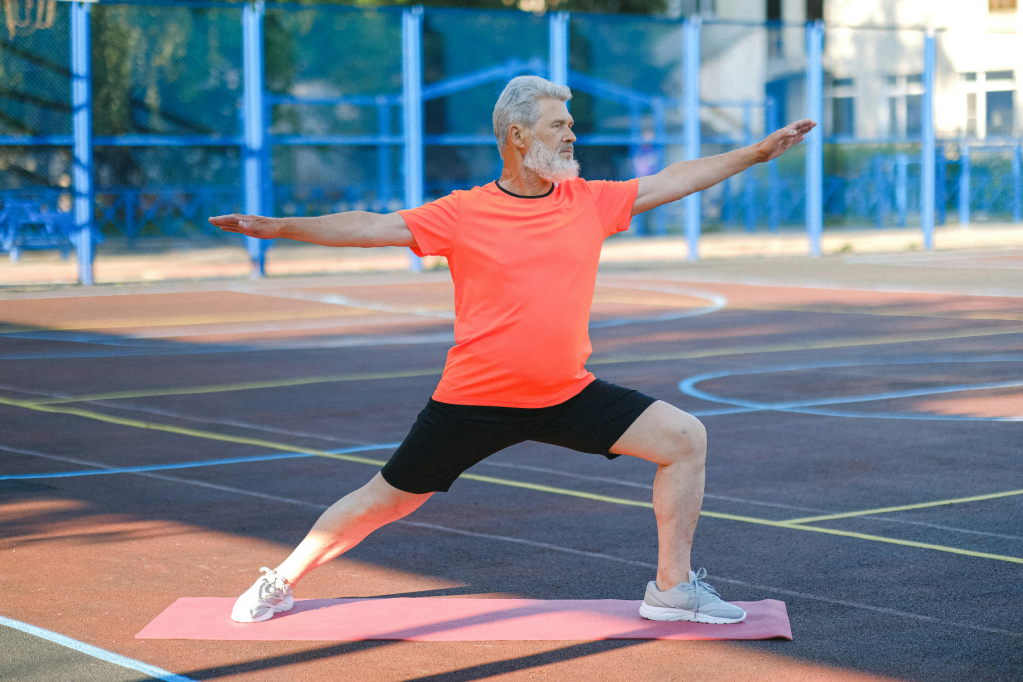
Men aged in their 40s and 50s are being urged to have a “positive” midlife experience by playing competitive sports and doing more rigorous exercise to ward off old age and boost their self-esteem to enjoy a better quality of life.
It’s never too late to become physically active through competitive sport and to benefit from a renewed sense of purpose and wellbeing, says Professor Murray Drummond, director of Flinders University’s SHAPE (Sport, Health and Physical Education) Research Centre.
Professor Drummond is conducting research on men’s experiences in organised sports, mainly Masters games, with a view to identifying ways to improve declining sporting participation rates in this “almost invisible” demographic.
“My research is exploring the meaning of sport to this age group and seeks to explore the ways in which we engage men (and women) in regular sport and physical activity as they move into midlife and beyond,” he says.
“The idea is to not only to promote positive physical health outcomes, but also psycho-social health outcomes such as social connectedness and ultimately, wellbeing.”
Given the ageing population, he says such research will assist policy-makers to understand the significance of sport in the lives of men and women and the implications for health.
You might like
Involvement in organised sport and physical activity generally decreases with age, with the decline setting in from the age of 35, according to the Australian Bureau of Statistics. From a peak of 43% among people aged 15-24, sport participation falls to less than half (17%) by age 55 and over.
“While we have studied the benefits of children’s sport, and moderate physical activity in the aged sector, we need to better understand and promote the many benefits to the 45-55 age group,” Professor Drummond said.
“We tend to underestimate the contribution people in this age group can make to their sense of wellbeing and quality of life from participating in competitive sports.”
Professor Drummond, 49, considers his own sporting experience a case in point.
“I don’t see ageing as a barrier to health and wellbeing, or the way I see myself, but as an enabler and a primary positive motivating force in my life.”
He urges older Generation X – younger Baby Boomers to “reawakening their sporting prowess” if they have had a break from physical activity.
Stay informed, daily
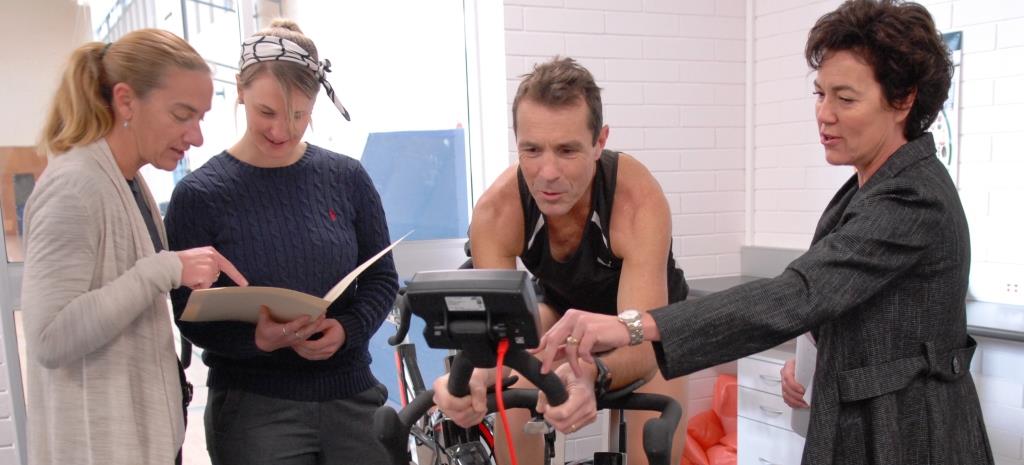
Professor Murray Drummond, who still participates in competitive sport, has fitness tested at more than 10 years younger than his 49 years. He has a performance age of just 27 from regular running, swimming and cycling.
“As we transition through midlife, it’s important to consider the benefits of using competitive sports, including masters events, to ward off physical decline and to become meaningfully engaged in the community and social activities,” he says.
“For example, masters swimming, tennis and surf lifesaving continue to attract older men (and women) who have enjoyed their sport from an early age.
“Even after a break from physical activity, it’s a simple way to slow down the body ageing while feeling younger by benefiting from the social benefits of engagement through sport clubs.”
“These men don’t necessarily define themselves through winning and losing in sport,” Professor Drummond says.
“It has more to do with challenging themselves and being a part of social subculture that enhances the way they feel about their masculine identity.
“If sport has been a constant throughout their lives, it continues to have a positive influence on the way in which they perceive themselves as men.”
Adelaide will host the Australian Masters Games from 3-10 October this year – and the Lifesaving World Championships in 2018.
Want to see more stories from InDaily SA in your Google search results?
- Click here to set InDaily SA as a preferred source.
- Tick the box next to "InDaily SA". That's it.