Fracking does not harm water: US EPA study
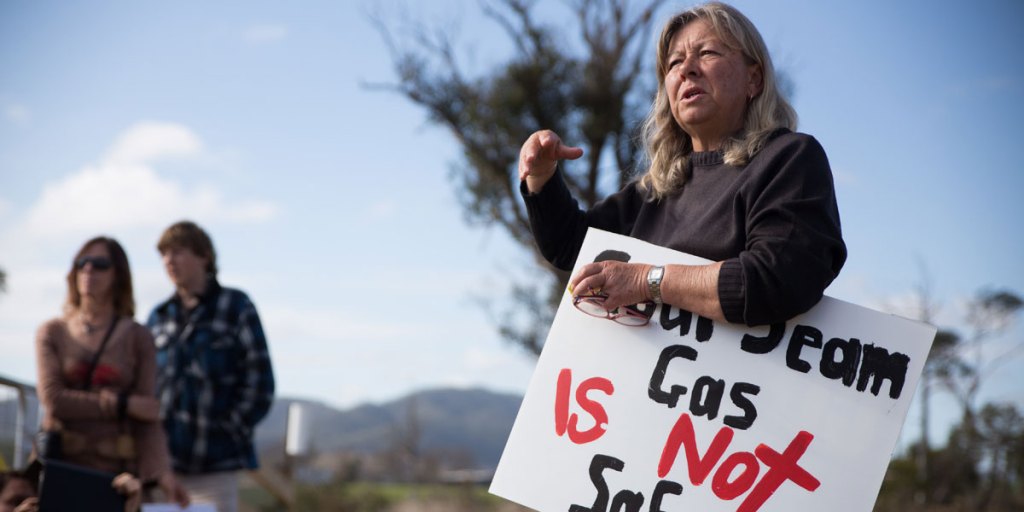
Fracking for oil and natural gas has not caused widespread harm to drinking water in the United States, the Environmental Protection Agency says.
However, in a long-awaited report released on Thursday, it also warned of the potential contamination of water supplies if safeguards are not maintained.
Congress ordered the report in 2010 after a surge in hydraulic fracturing – better known as fracking – fuelled a nationwide boom in production of oil and natural gas.
Fracking involves pumping huge volumes of water, sand and chemicals underground to split open rock formations so oil and gas will flow.
The practice has raised widespread concerns it might lead to groundwater contamination, increased air pollution and even earthquakes.
You might like


The draft study found specific instances where poorly constructed drilling wells or improper wastewater management affected drinking water.
But the EPA said the number of cases was small compared to the large number of wells that use hydraulic fracturing.
An estimated 25,000 to 30,000 new wells were drilled annually in the US from 2011 to 2014, the report said.
About 6,800 public drinking water sources serving more than 8.6 million people were located within one mile (1.6 km) of a fracked well.
Stay informed, daily
The EPA assessment tracked water used throughout the fracking process, from acquiring the water to mixing chemicals at the well site and injecting so-called “fracking fluids” into wells, to collection of wastewater, wastewater treatment and disposal.
The report identified several vulnerabilities to drinking water resources, including inadequately treated wastewater discharged into drinking water resources, and spills of hydraulic fluids and wastewater.
There were 151 cases from 2006 to 2012 in which fracking fluids or chemicals spilled on or near a drilling well.
The spills ranged from five gallons (19 litres) to more than 19,000 gallons (71,920 litres), with equipment failure the most common cause.
Fluids reached surface water in 13 cases and soil in 97 cases, the report said.
None of the spills were reported to have reached groundwater.
Industry groups hailed the EPA study as proof that fracking is safe, while environmental groups seized on the report’s identification of cases where fracking-related activities polluted drinking water.
EPA officials said the report was not intended to prove whether fracking is safe, but instead was aimed at how state regulators, local communities and industry can best protect drinking water and reduce the risks of fracking.
“It’s not a question of safe or unsafe,” Tom Burke, deputy assistant administrator of EPA’s Office of Research and Development.
The issue for the EPA is “how do we best reduce vulnerabilities so we can best protect our water and water resources?”, Burke said.
– AP
Want to see more stories from InDaily SA in your Google search results?
- Click here to set InDaily SA as a preferred source.
- Tick the box next to "InDaily SA". That's it.