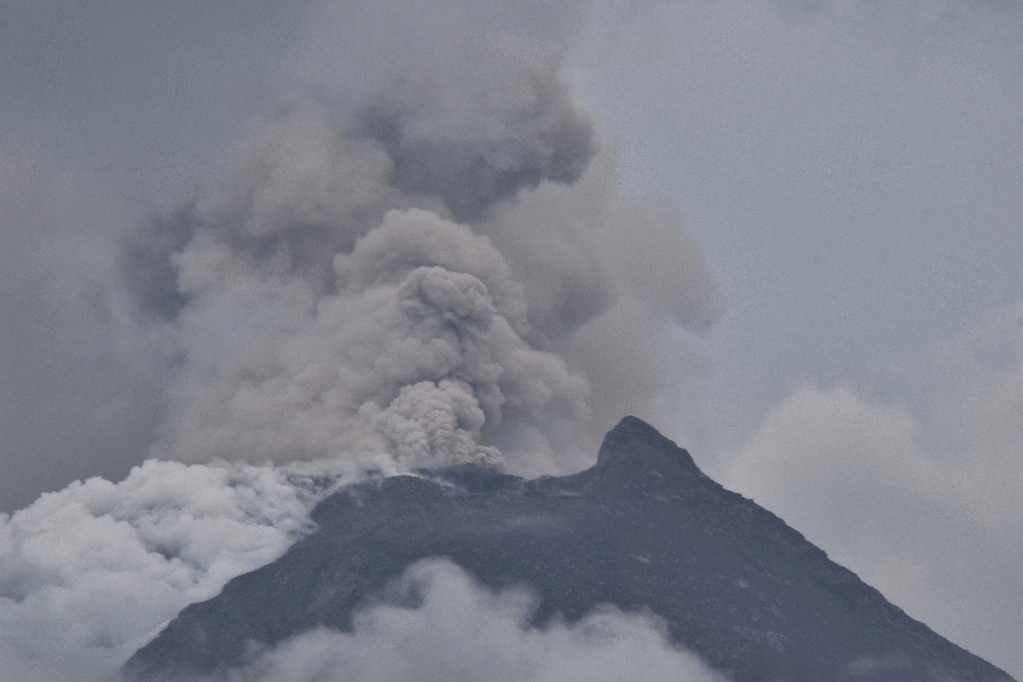
The Reserve Bank has left its interest rate at a record low of two per cent, and will look at a slew of incoming economic data before considering cutting further.
RBA governor Glenn Stevens said in a statement that the bank would monitor economic and financial conditions, and added that the lower cash rate was helping support borrowing and spending.
“A key drag on private demand is weakness in business capital expenditure in both the mining and non-mining sectors and this is likely to persist over the coming year,” he said.
You might like

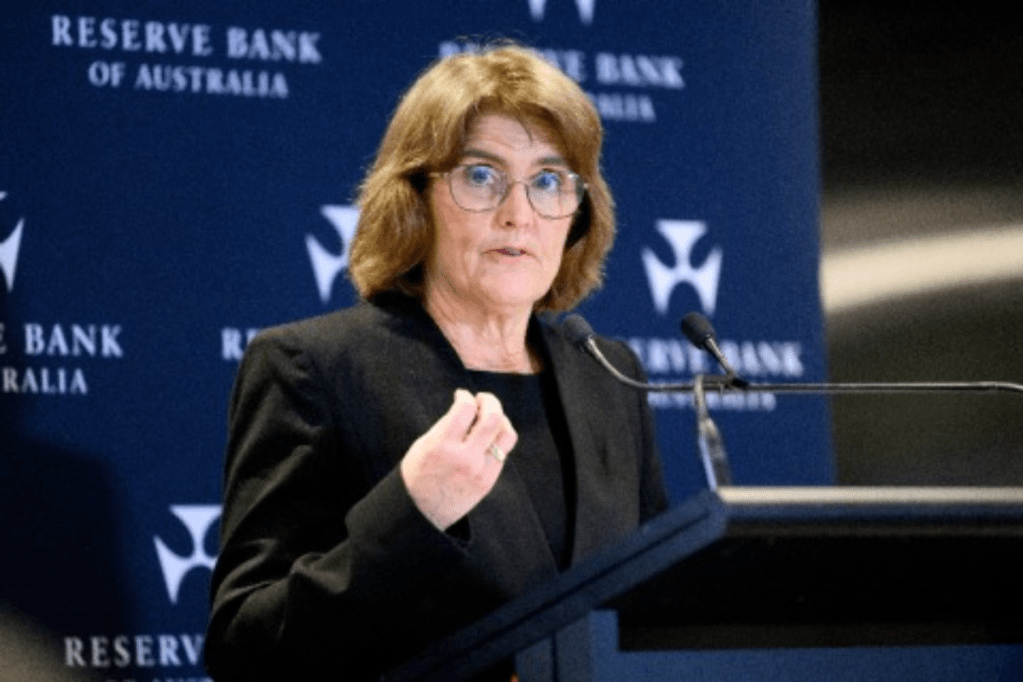
Stevens said that while the Australian dollar had fallen, further depreciation seemed both likely and necessary, because of the significant declines in key commodity prices.
“Having eased monetary policy last month, the Board today judged that leaving the cash rate unchanged was appropriate at this meeting,” he said.
“Information on economic and financial conditions to be received over the period ahead will inform the Board’s assessment of the outlook and hence whether the current stance of policy will most effectively foster sustainable growth and inflation consistent with the target.”
Want to see more stories from InDaily SA in your Google search results?
- Click here to set InDaily SA as a preferred source.
- Tick the box next to "InDaily SA". That's it.