Gillman: Treasury told Weatherill to split land deal

UDPATED: A Treasury document raises new questions about Premier and former Treasurer Jay Weatherill’s involvement in the controversial Gillman land deal.
The briefing to Weatherill, dated 2 December 2013, recommends that the Government subject the land to an open market process.
However, it also adds that if the Government decides to go ahead with the exclusive deal with Adelaide Capital Partners (ACP), then it should split the land into sections to reduce risks to the taxpayer.
The Treasury minute, apparently sent to Weatherill on the day Cabinet was due to consider the deal, raises new questions about whether the South Australian taxpayer will get best value for money from the deal.
The advice, from bureaucrat David Reynolds, then the executive director of budget branch within the Department of Treasury and Finance, warns Weatherill that the Government faces the risk of being left holding less valuable land, with ACP “cherry-picking the best parts of the site”.
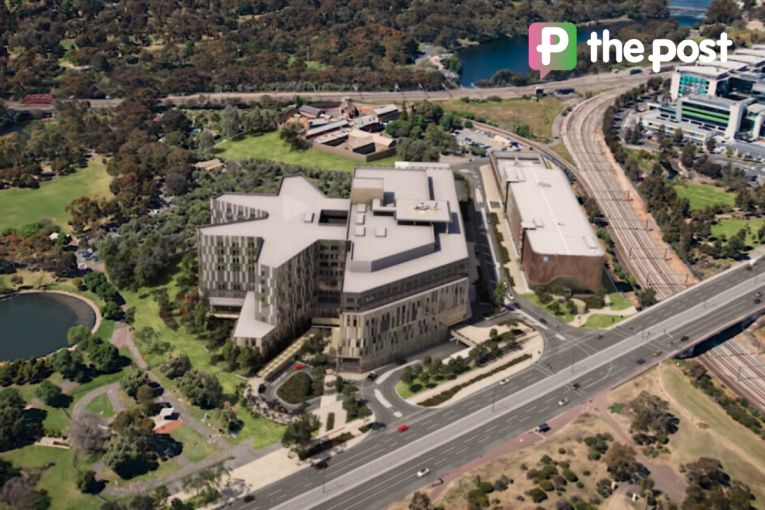
A few weeks after this advice was provided, the Government publicly announced the deal to give ACP exclusive rights to more than 400 hectares of Crown land at Gillman, near Port Adelaide.
The deal was touted as offering a massive jobs boost to the state, but soon fell into controversy when an InDaily investigation revealed details of the Renewal SA board’s deep concerns about the Government’s failure to go to tender on the land.
You might like

This Treasury minute, buried in a mass of documents tabled in Parliament, says that an open market sale would be the best option to go forward with ACP’s proposed Lipson Industrial Estate at Gillman.
“This would ensure we maximise value and also reduce any perceived lack of probity associated with a direct negotiation with ACP,” the minute says. “We note that the submission indicates that there are other parties that have expressed some interest in the site.
“If the government is inclined to go with the Lipson proposal it should only accept it for Stage 1 (150ha) and not have the options for Lipson to purchase subsequent areas. This would at least provide flexibility for the government to deal with the remaining 257ha rather than having it locked up by ACP for up to 9 years and at a fixed price of $30m2. It also avoids Lipson cherry-picking the best parts of the site and leaving the government with the rest.”
Cabinet approved a submission that day from then infrastructure minister Tom Koutsantonis to give ACP exclusive options to acquire the 407ha of land in three tranches over nine years.
ACP plans to develop the land in stages, eventually building an “oil and gas hub” which it claims will create thousands of jobs.
Liberal deputy leader Vickie Chapman said the document raised new questions about Cabinet’s decision on the deal.
“Our key question is did the Premier and Treasurer give that clear information from Treasury to the Cabinet,” she told InDaily.
“You have got advice from your senior financial people not to put it to tender but, if you insist on doing it, don’t sell the whole lot. This should have been disclosed to the Cabinet by Weatherill – he needs to answer whether he did.”
Stay informed, daily
The Treasury minute also indicates that the Gillman submission was a “walk in” – in other words, it had not been previously circulated to Cabinet members before the meeting.
Chapman said the fact the submission was a walk-in raised questions about the “rush job” to push the deal through Cabinet.
Weatherill’s office dismissed InDaily’s questions about the latest revelation, instead offering a statement from a “government spokesperson”.
“These questions have been asked and answered previously. The decision to enter into the Gillman transaction was made by Cabinet on the basis of all of the information placed before it, including a Treasury costing comment attached to the Cabinet submission. Cabinet considered a range of factors, including the ability to attract jobs to otherwise dormant land in Adelaide’s west.”
Concern over the Gillman deal ramped up in January, when Supreme Court justice Malcolm Blue handed down a scathing assessment of the deal.
In findings on litigation by a waste company concerned the Gillman deal would damage its business, Blue found “the decision by the (Renewal SA) Chief Executive to enter into the Contract was a decision that no reasonable person in his position could rationally have made”.
“The decision … was made in ignorance of matters that were fundamental prerequisites to making an informed, prudent or rational decision,” Blue found.
“It was an irrational decision.”
A week later, the Independent Commissioner Against Corruption, Bruce Lander, revealed that he was investigating the land sale.
“I am investigating the matter to determine if there is any evidence of maladministration,” he said. “This is not a corruption investigation. However, should I find any evidence to suggest that there has been conduct that falls within the ICAC Act’s definition of corruption, then I will pursue it.
“At the conclusion of this investigation I will make a statement on my findings. I will proceed as quickly as possible to conclude the investigation. Until that time I do not intend to discuss any particulars related to the investigation, nor do I intend to make any further public statements during the course of the investigation.”
Correction: A previous edition of this story said the document was newly released under FOI laws. While that is true, it was also contained in more than 1000 un-indexed pages of documents tabled in Parliament this year.
Want to see more stories from InDaily SA in your Google search results?
- Click here to set InDaily SA as a preferred source.
- Tick the box next to "InDaily SA". That's it.