Doping still endemic: cycling boss
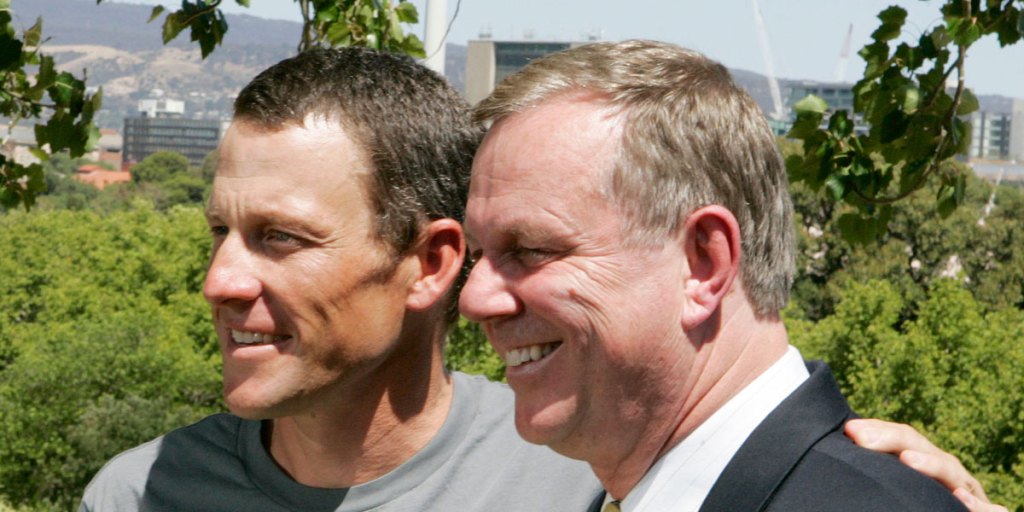
Doping remains an endemic problem, cycling chief Brian Cookson has said after the publication of a damning independent report accusing cycling’s world body of turning a blind eye to drug cheat Lance Armstrong.
“I don’t really believe 90 per cent of the peloton are still doping for instance as a witness says but I do believe there’s still an endemic problem of lower level doping,” Cookson, president of the sport’s ruling body the UCI, said on Monday.
“I believe efforts have been made to tackle those problems, there have been major steps forwards like the biological passport.
“It’s now possible to compete in professional cycling without doping. Nevertheless there’s still a problem there, clearly in any sport there are people trying to cheat and we need to stop them and to protect riders who want to compete without cheating, we have a lot more to do and we will continue.”
Cookson was speaking after an independent commission accused former UCI presidents Hein Verbruggen and Pat McQuaid of shielding disgraced Armstrong from investigation.

Armstrong, who defeated cancer to go on and win seven straight Tour de France races from 1999 to 2005, was stripped of his titles in 2012 and banned from the sport for life.
The fallen US cycling hero, 43, now admits taking banned substances.
Cookson commentated: “The UCI management has changed, we no longer close our eyes to doping.
“The style of leadership of Hein Verbruggen is criticised in the report and that style of leadership led to some of the major errors.
“Image and the business of the sport were put before integrity and transparency and honesty, that approach was taken too far.
“I hope these two won’t have any role in cycling in the future.”
Stay informed, daily
The report cites Lance Armstrong’s Tour Down Under comeback as an example of the sport failing to apply its own rules.
The Cycling Independent Reform Commission findings also understands the disgraced cycling star was to be paid $US1 million for racing at the 2009 Tour, with the money to go to his Livestrong charity.
Under anti-doping rules, Armstrong was not supposed to be eligible for a return to competition until February 1 – several days after the Tour.
The report says Pat McQuaid, then president of cycling’s world governing body, the UCI, was under “significant political pressure … mainly from Australia” to let Armstrong start his much-publicised racing comeback at the Adelaide race.
Want to see more stories from InDaily SA in your Google search results?
- Click here to set InDaily SA as a preferred source.
- Tick the box next to "InDaily SA". That's it.