Low dollar to lure foreign stores
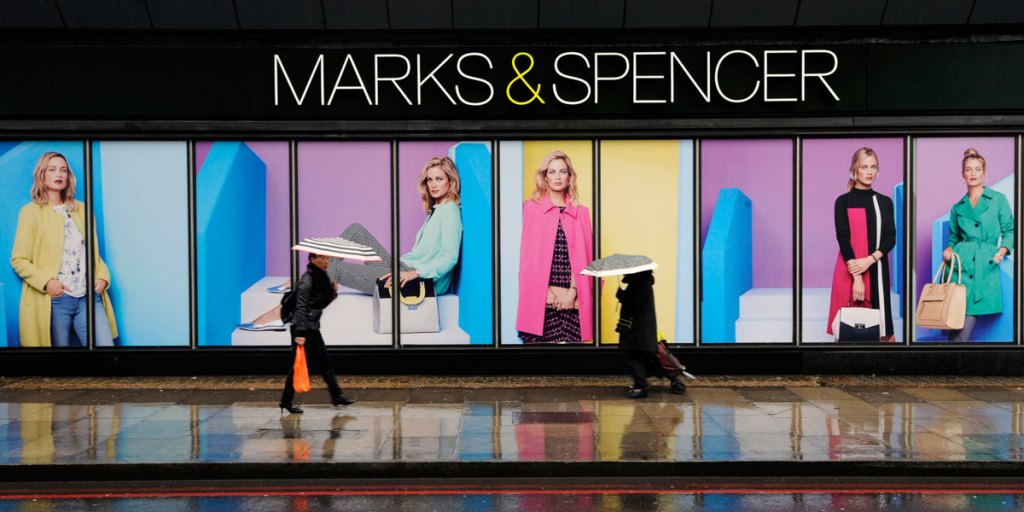
More major foreign retailers are expected to set up shop in Australia in 2015 thanks to the dollar’s recent plunge.
The Aussie dollar has dropped about 12 US cents to around 82 US cents in the past four months, pushing up the cost of imported goods as a result.
But the recent falls have also made it cheaper for foreign retailers thinking about opening their doors in Australia.
A raft of foreign companies have flocked to Australia’s shores in recent years, including Swedish clothing giant H&M and the world’s biggest cosmetic chain Sephora.
A major report on the international retail industry by accounting giant Deloitte says more are likely to follow, meaning greater choice for Aussie shoppers, but also more competition for home-grown retailers.
Deloitte says underperforming Australian retailers could find themselves takeover targets by foreign predators, similar to David Jones and Country Road being swallowed by South Africa’s Woolworths in 2014.
It warns local retailers that 85 per cent of the world’s biggest retailers are not yet operating in Australia, meaning competition is only likely to increase.
You might like

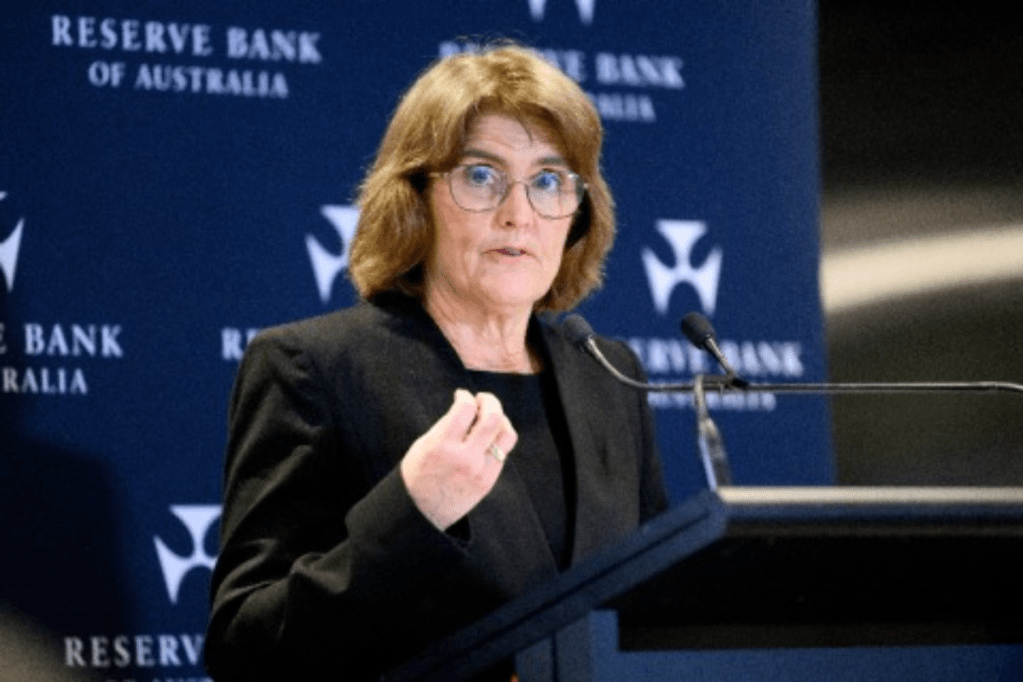
“With a weakening Australian dollar and ever-increasing competitive pressures, we expect to see further interest by overseas retailers in the Australian retail market,” Deloitte Australia partner David White said on Tuesday.
“The ability to innovate, drive improved processes and to connect with the consumer will be critical in order to remain competitive.”
British retail giant Marks & Spencer, the US-based Ashley Furniture, and Germany’s Schwarz Unternehmens Treuhand KG, which owns the discount supermarket chain Lidl, are all tipped to be interested in a move Down Under.
Thirty seven of the world’s top 250 retailers already operate in Australia, with clothing/footwear companies and supermarkets the dominant players.
Nearly half of those foreign players operating in Australia have their headquarters the US.
Among them is supermarket chain Costco, which comes second behind Wal-Mart in Deloitte’s list of the top 250 retailers.
Much further down the list, which is based on revenue, are Australia’s Woolworths and Wesfarmers, at numbers 18 and 22 respectively.
The Deloitte report said retail sales growth in Australia during 2014 was the best for several years, thanks to low interest rates encouraging consumers to spend more.
Stay informed, daily
However growth in 2015 could be affected by shaky consumer confidence and the federal government’s planned budget savings, it said.
The world’s top retailers (by revenue)
1. Wal-Mart, US, $US476.3b
2. Costco, US, $US105.15b
3. Carrefour, France, $US98.7b
4. Schwarz Unternehmens Treuhand, Germany, $US98.7b
5. Tesco, UK, $US98.6b
6. The Kroger, US, $US98.4b
7. Metro, Germany, $US86.4b
8. Aldi, Germany, $US81.1b
9. The Home Depot, US, $US78.8b
10. Target Corporation, US, $US72.6b
18. Woolworths, Australia, $US54.5b
22. Wesfarmers, Australia, $US50.7b
(Source: Deloitte)
Want to see more stories from InDaily SA in your Google search results?
- Click here to set InDaily SA as a preferred source.
- Tick the box next to "InDaily SA". That's it.