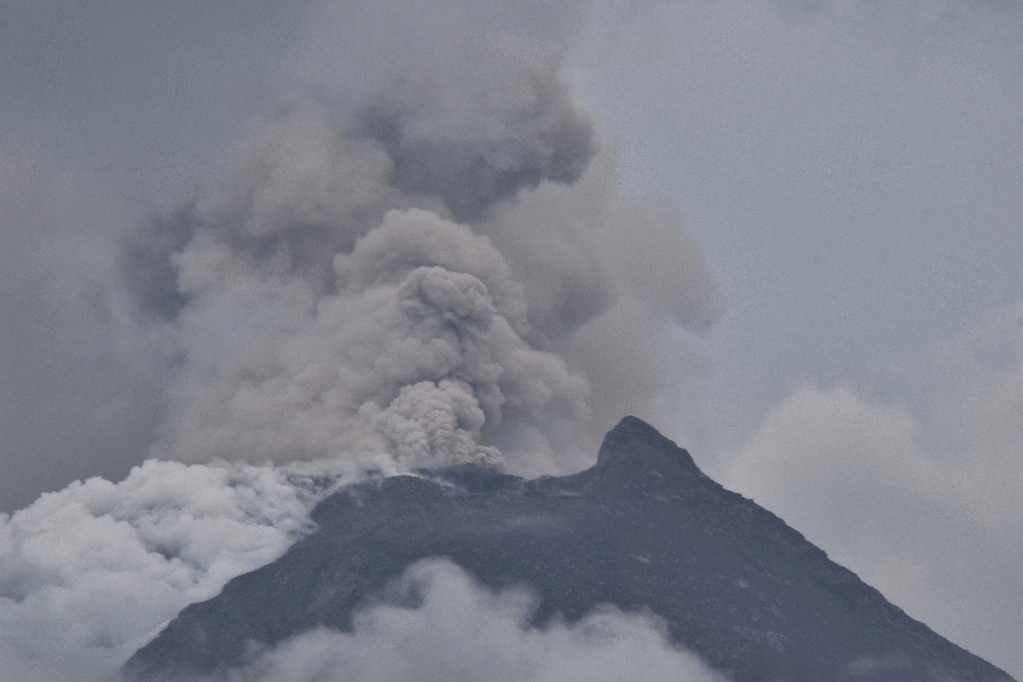
Australia endures third-hottest year
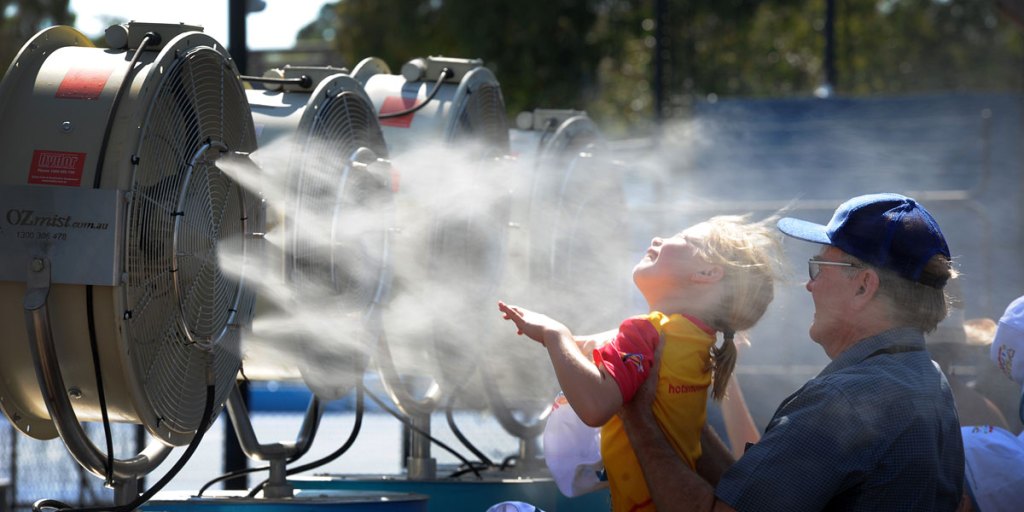
Last year was Australia’s third-hottest on record, the Bureau of Meteorology says.
The BOM’s annual climate statement, released on Tuesday, said 2014 was the third-warmest year since reliable climate records began in Australia in 1910, with mean temperatures (taking into account both maximum and minimum temperatures) 0.91C above the long-term average.
BOM Climate Information Services assistant director Neil Plummer said 2014 was a year that included six significant warm spells or heatwaves with a notable reduction in colder weather.
The warmest year on record occurred in 2013, when the mean temperature was 1.2C above the long-term average.
“Particularly warm conditions occurred in spring 2014, which was Australia’s warmest spring on record,” Plummer said.
You might like

“El Nino-like effects were felt in drier and warmer conditions in much of eastern Australia during 2014.”
The World Meteorological Organization is collating data but believes the world experienced its hottest or among its hottest years in 2014, Plummer said.
The Climate Council’s Professor Will Steffen says climate change is a major factor in the near-record warmth recorded in 2014.
He said 2013 and 2005 were the hottest and second-hottest years on record, and 29 of the past 35 years were warmer than average.
Stay informed, daily
“It is worrying that these sort of records are now being broken so regularly,” he said.
“The impact of climate change on these trends is very clear. Climate change is making Australia hotter and more prone to bushfires.”
Steffen said warmer temperatures had increased the number of bushfire danger days and would continue to contribute to severe bushfires such as those occurring in South Australia and Victoria.
Other climate facts for 2014 include:
- For Australia as a whole, rainfall was near average for the year, with 478mm (1961–1990 average 465mm).
- Prolonged “rainfall deficiencies” continued for inland and southeastern Queensland and northeastern New South Wales.
- Six significant heatwaves and warm spells occurred, including one of southeast Australia’s most prolonged heatwaves in mid-January.
- A number of major bushfires occurred during January and February, with particularly destructive fires in Victoria and South Australia.
- Sea surface temperatures around Australia were unusually warm – 0.49°C above average for the year to November.
The BOM said that, nationally, Australian temperatures have warmed approximately one degree since 1950. The temperatures in 2014 added to this “long-term warming trend”.
To view the annual climate statement, go here.
– with AAP
Want to see more stories from InDaily SA in your Google search results?
- Click here to set InDaily SA as a preferred source.
- Tick the box next to "InDaily SA". That's it.