Sharp decline in manufacturing
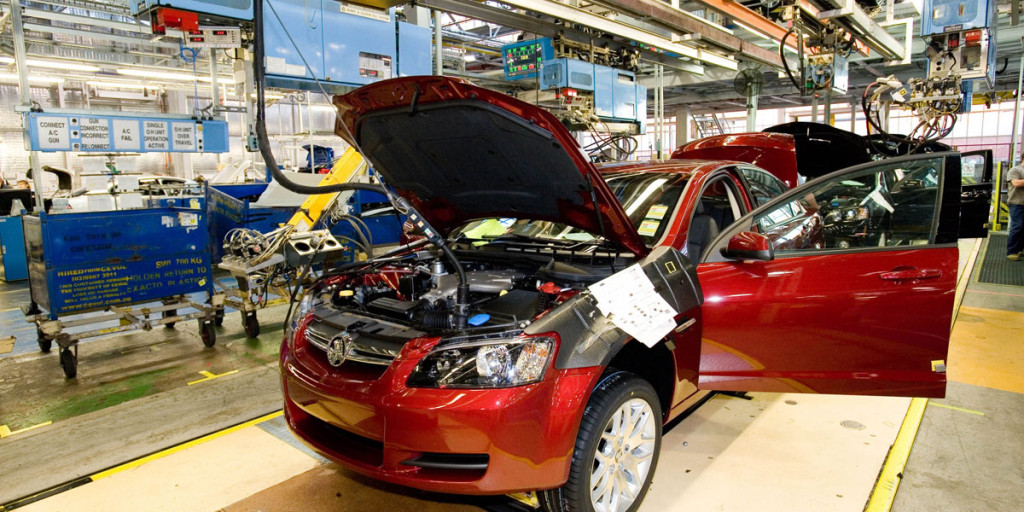
Australia’s manufacturing industry has declined sharply, with the lower Australian dollar failing to lend a hand.
Manufacturing fell by 3.2 points to 46.9 in December, according to the Australian Industry Group’s performance of manufacturing index (PMI) today.
The index dropped well below the 50-level that separates expansion from contraction, despite the Australian dollar having traded at four-and-a-half year lows during December.


Although the currency had depreciated, survey respondents said the level of the Australian dollar was still encouraging strong import competition.
The figures were disappointing, but not surprising, Ai Group chief executive Innes Willox said.
“We would have hoped to have seen a stronger Australian PMI in the lead-up to Christmas, but the finding is consistent with other publicly released data,” Willox said.
“Business sentiment and appetite for investment remain weak.
Stay informed, daily
“The closure of Australian automotive assembly facilities now underway, plus the rapid decline in mining investment activity, are also weighing heavily on demand for locally made machinery inputs and components.”
Four of eight manufacturing sub-sectors expanded in December, including food, beverages and tobacco.
The textiles, clothing, footwear, furniture and other manufacturing segment experienced its fastest pace of expansion in six years, thanks to the lower Australian dollar and stronger furniture sales courtesy of the housing construction boom.
Meanwhile, the machinery and equipment sub-sector remained in contraction, where it has been for three years, and is likely to worsen as car production in Australia reduces more sharply in 2015.
Want to see more stories from InDaily SA in your Google search results?
- Click here to set InDaily SA as a preferred source.
- Tick the box next to "InDaily SA". That's it.