Cappo: We’re becoming tolerant of inequality
Two pieces of proposed social policy by the Abbott Government deserve attention.
These are the Medicare co- payment, that received international attention when Prime Minister Tony Abbott mentioned resistance to its passing into legislation in his opening address to G20 summit in Brisbane, and the proposed changing of indexation for the Aged Pension, from a percentage of average weekly earnings (AWE) to CPI only.
I believe both initiatives are retrograde steps which will lead to further gaps between rich and poor in Australia, thus increasing inequality.
The Medicare co-payment will create a disincentive for a large number of older people from visiting a GP. At a time in life when regular medical care is essential in monitoring and treating chronic health needs, the proposed co-payment will be a cruel blow.
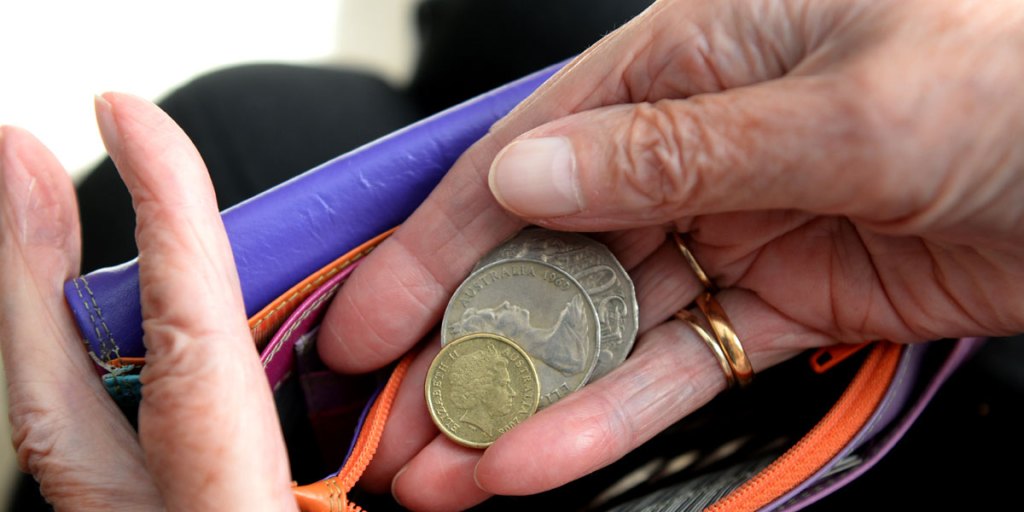
Perhaps an even crueller blow to 2.4 million aged pensioners in Australia will be the significant drop in the value of their pension if the proposed indexing changes come into force. The aged pension’s link with AWE ensures that there is no increase in relative inequality, and no further increase in poverty for full-rate pensioners, particularly if they are renters. This proposed change will create heartache for pensioners and an increasing sense of feeling disrespected and diminished at a time in life when many vulnerable aged Australians need the support and solidarity of a caring and compassionate community.
Both pieces of social policy need to be part of an urgently-needed debate in Australia about inequality.
We need to ask ourselves some questions. Are we becoming more tolerant of growing inequality? Do we think that growing inequality will damage our nation or not? Why should we worry about inequality?
You might like

If we believe in an equal human dignity, and if we believe that this dignity needs to be lived out through participation in society, then grappling with the structures of society that produce inequality matters.
Further, as Wilkinson and Pickett point out in their ground breaking publication The Spirit Level, Why Equality is Better for Everyone (2009), “health

and social problems are indeed more common in countries with bigger income inequalities”. Their main premise is that when you reduce inequality you increase health and social conditions for everyone in society. This is a pretty powerful reason to reduce inequality for both social and economic reasons.
Let me try to provoke the debate by saying that I believe that there is an increasing level of tolerance to inequality in Australia. Let me give a few reasons why I think this is happening.
Our sense of social solidarity with one another is diminishing. We tend to focus so much on what makes us different from one another rather than what makes us similar as equal citizens bonded together with a common cause – the building up of the common good of Australia.
In the current age of individualism, we more readily focus on differences that separate groups of us. And within our contemporary neo-liberal framework, with competition and merit as high values, and where the workings of the market are applied inappropriately, I would argue, to our social structures, separateness is enhanced.
And with separateness among citizens, it is an easy step to place personal responsibility more and more on the individual for his or her circumstances and decisions in life. When we give priority to individualism that separates us in society, rather than what makes us bond together in similarity, the path towards further inequality becomes an easy one to travel.
Stay informed, daily
What can we do about decreasing the level of inequality in Australia? We should have a serious debate about identifying key values in our society.
We could ask: why are we becoming a less equal society? And one answer might be because it has become easier for us to allow inequality to go deeper in society because we live in an age of rampant individualism.
Why do I say that? Because a high level of equality results from a high level of social solidarity; from a deep sense of belonging in a community.
Do we have a strong common bond about being “in it together”; do we identify with each other at a core level as part of the Australian community, even with our differences of race, religion, culture and sexuality? My answer would be both a ‘yes and a no’, with the ‘no’ dominating.
"Our economic problems and imperatives must not be addressed in isolation from growing inequality and diminishing social solidarity."
While solidarity with one another is breaking down more generally, it is a resilient force in human nature and we see it emerge from time to time. In the tragic death of Phillip Hughes, the way in which the cricket community has bound together in grief and in showing the beauty of the human spirit is a marvellous example of solidarity. And the many thousands of Australians who have joined together, as well, in expressing their love and their grief, also shows the healing power of solidarity.
Prime Minister Abbott has previously talked about ‘Team Australia’ but in a somewhat exclusive frame. Social solidarity is about ‘Team Australia’ in a broad and inclusive frame. That’s where we should be heading.
We should building up our social solidarity, with its consequent imperative to care for the vulnerable and to draw them into the mainstream of society, because it is their social right as fellow equals.
These thoughts are put forward in the context of the need for debate about where we are heading in Australia, as we grapple with serious issues such as the reduction in our revenue base. Our economic problems and imperatives must not be addressed in isolation from growing inequality and diminishing social solidarity. Considered in this light, the Medicare co-payment issue and changes in aged pension indexation are powerful and relevant social issues.
A dialogue about inequality is urgent.
Monsignor David Cappo AO is the former Commissioner for Social Inclusion in South Australia.
Want to see more stories from InDaily SA in your Google search results?
- Click here to set InDaily SA as a preferred source.
- Tick the box next to "InDaily SA". That's it.