Counting the costs of public sector ‘savings’
By 2017, some 16,500 public servants will have lost their jobs, or have been shuffled into other positions within the public service, in the government’s ongoing drive for budget savings.
The long-standing Commonwealth “efficiency dividend” also has impacts on jobs, as it works on the premise that increases in productivity make it possible to reduce funding to Commonwealth agencies without compromising outputs.
But what of the impact on the people who lose their jobs? Research from Flinders University’s National Institute for Labour Studies (NILS) suggests the human costs to public servants will last for years.


The research shows public servants are badly affected by job changes. They take more than three years on average to return to pay equivalent to their peers who didn’t leave public service.
You might like
The justification for cuts
In the 2014/15 Australian budget the annual efficiency dividend of 2.5 per cent is forecast to save A$2.8 billion. The “smaller and more rational government” initiative is expected to save another A$530 million.
The first measure is an annual untargeted reduction in the budgeted expenditures of each public sector body. The second identifies specific public bodies for cessation or merger as well as a numerical reduction in public sector staffing overall.
The word “savings” is applied to these cuts as the initial outlay to public sector expenditure appears reduced. The word “efficiency” is used as it is assumed the same services will be achieved with fewer resources, a type of technical efficiency. However, the efficiency of this efficiency is debated, with several experts judging that this form of restructure is not working as expected.
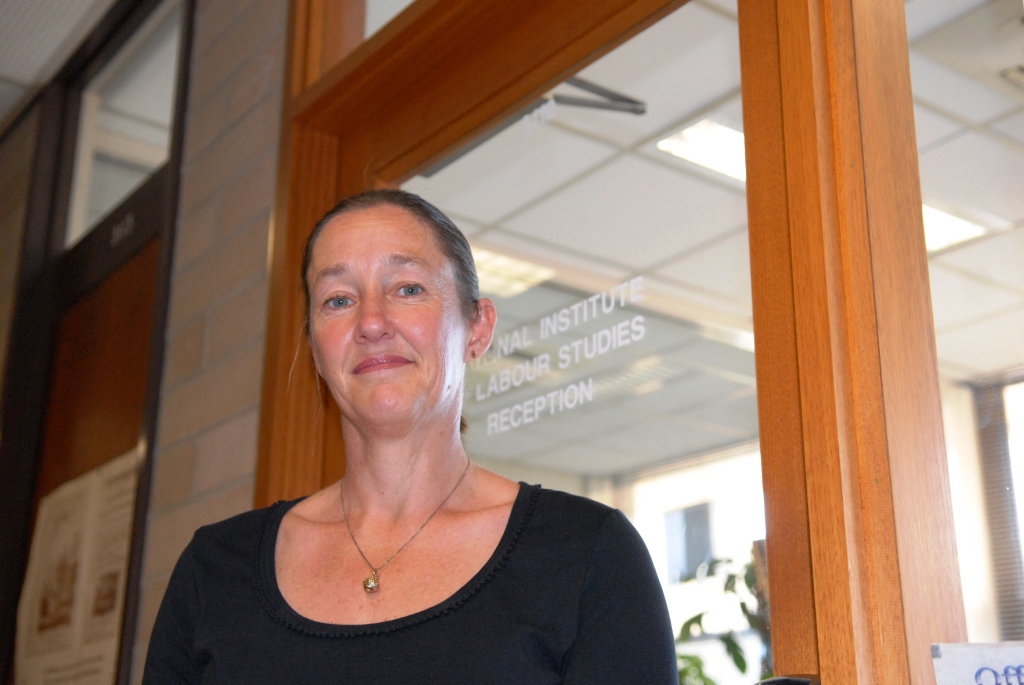
Dr Genevieve Knight is a Senior Research Fellow at the Flinders-based National Institute of Labour Studies. The rest of Dr Knight’s article can be read at The Conversation.
Want to see more stories from InDaily SA in your Google search results?
- Click here to set InDaily SA as a preferred source.
- Tick the box next to "InDaily SA". That's it.