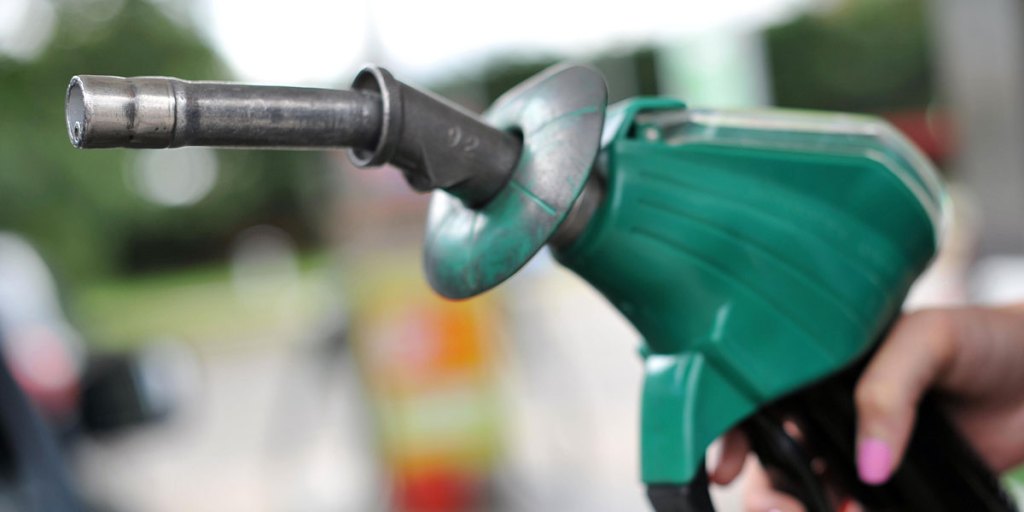
Fuel tax will go up in November after the Federal Government found a way around a Senate blockage to its bid to reintroduce indexation.
The tax will initially increase from 38.143 cents a litre to 38.6 cents a litre from November 10.
Finance Minister Mathias Cormann said the government would use “tariff proposals”, to be tabled in parliament this week, to bring about the hike.
The same type of proposals were used by the Labor government to push up the tax on alcopops.
From November 10, the rate of fuel duty will rise from 38.143 cents a litre to 38.6 cents a litre – the rate that would have applied had the laws passed the Senate before August 1.
You might like

Indexation of fuel duty will then return to biannual CPI indexation from February 1, 2015.
It is expected to cost an average household about 40 cents a week by the end of 2014/15.
“While the impact on individual households will be modest, this measure will provide a predictable and growing source of revenue, which will help the government boost its investment in job creating and productivity enhancing road infrastructure,” Cormann said.
Cormann told reporters the parliament would need to validate the measure within 12 months.
Stay informed, daily
“If the measure is not validated within 12 months – and we’re confident it will be, by the way – the money would have to go back to those that have paid the excise and the duty,” Cormann said.
“It will go back to fuel manufacturers and to fuel importers, who would essentially have a windfall gain at that time.”
But he said he expected Labor and the Greens to “see sense” within a year and that the money should be used for roads and not go back to fuel companies.
The tax rise will raise about $2.2 billion over four years and $19 billion over a decade.
Cormann said the government was using existing laws, powers and authorities to achieve what it set out in the May budget.
“This is not an effort to get around the Senate,” he said.
He said the government continued to hold talks with crossbench senators on other blocked budget measures.
“We will continue to work on how best to implement all of the important outstanding structural reforms that Australia needs,” he said.
Individuals and businesses eligible for fuel tax credits and recipients of cleaner fuels and ethanol production grants won’t be financially affected, under changes to relevant laws.
Want to see more stories from InDaily SA in your Google search results?
- Click here to set InDaily SA as a preferred source.
- Tick the box next to "InDaily SA". That's it.