The Australian dollar is weaker as iron ore prices fall and financial market volatility continues.
Early on Friday, the local unit was trading at 87.56 US cents, down from 87.92 cents on Thursday.
A sharp drop in iron ore prices was the main factor hampering the local currency, Bank of New Zealand currency strategist Raiko Shareef said.
“The Aussie dollar is in an interesting space because it’s the weakest performing major currency overnight by quite a margin,” he said.

“Iron ore prices are down by about 2.7 per cent … that would have reduced any positive feelings towards the Aussie dollar.”
More financial market volatility was also diminishing the Australian dollar’s advantage as a currency from a higher interest rate economy, he added.
The Australian dollar had also failed to capitalise on the Federal Reserve Bank of St Louis president James Bullard’s comment that the ending of the US Fed’s quantitative easing program should be delayed until December, which had weakened the greenback.
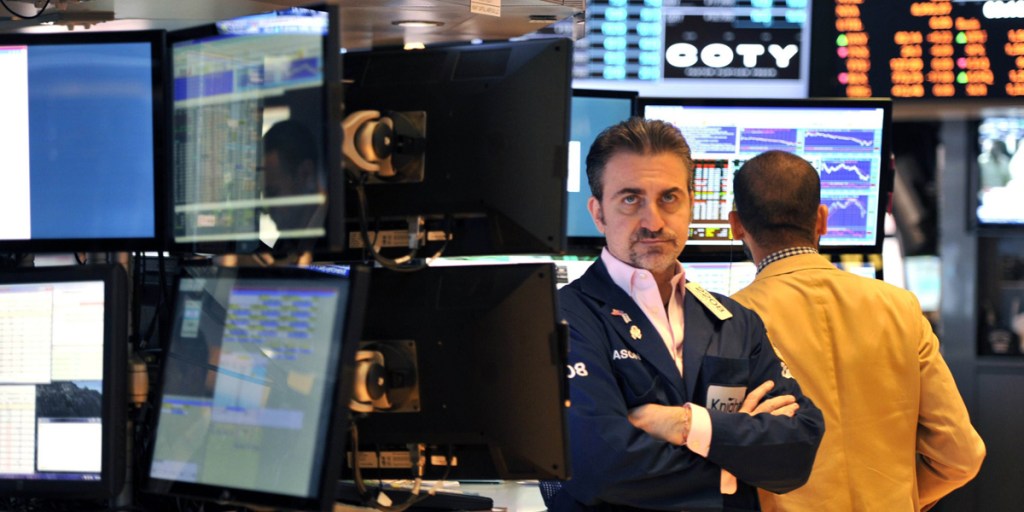
Wall Street stocks have finished little changed following another rocky trading session, as the market weighed better US economic data against fears over global growth.
At the closing bell on Thursday, the Dow Jones Industrial Average stood at 16,105.48, down 36.26 points (0.22 per cent), rebounding after losing more than 200 points earlier in the session.
Stay informed, daily
The broad-based S&P 500 slipped 0.29 (0.02 per cent) to 1,862.20, while the tech-rich Nasdaq Composite Index gained 2.07 (0.05 per cent) to 4,217.39.
US stocks appeared headed for another dismal performance early in the day as fears over the European economy took hold.
But investors took heart from a 1.0 per cent gain in US industrial production in September and a drop in weekly jobless claims to a 14-year low.
Want to see more stories from InDaily SA in your Google search results?
- Click here to set InDaily SA as a preferred source.
- Tick the box next to "InDaily SA". That's it.