SA’s subs role subject to foreign affairs pact

A joint Japanese-Australian build of the nation’s next generation of submarines has been on the cards since June this year – and South Australia’s role remains subject to broader political and diplomatic concerns.
The conflicting interests of defence, foreign affairs and industry are being negotiated at federal political level, but it was confirmed today that the state’s Defence Industries Minister, former Liberal Martin Hamilton-Smith, will no longer be frozen out by his federal counterpart.
Responding to a News Corp report that the government would buy Japanese subs instead of building them in South Australia, Prime Minister Tony Abbott today insisted that decisions on where, when and how the submarines will be built are yet to be made.
“I can confirm that the Australian work on the next generation of submarines will be centred on the submarine shipyards in Adelaide,” he said.
“What those submarines are is still, however, subject to a range of further decisions.
“Whatever decision is made will be based on what is the best for our defence interests at a reasonable cost to the taxpayers.”
The Prime Minister said the decisions would reflect defence needs – not what’s best for industry or regional industry factors.
Foreign affairs issues, however, remain in play.
You might like

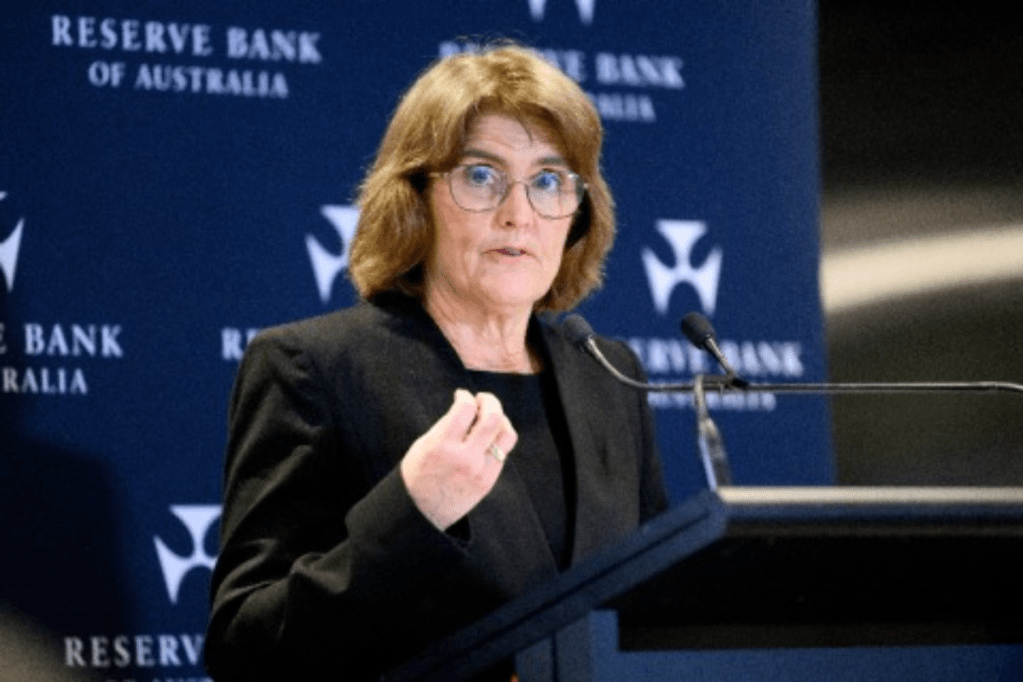
In June Foreign Affairs Minister Julie Bishop was in Japan where she and Japanese Foreign Minister Fumio Kishida announced an agreement between Japan and Australia to jointly develop stealth submarine technology.
The submarine technology deal was part of a broader agreement to step up cooperation in defense equipment and technology.
Japan’s Defense Minister Itsunori Onodera told a joint news conference on June 11 that the ministers agreed to begin the research next year.
“I have high expectations for successful results,” he said.
Australia’s Defence Minister David Johnston was also at the meeting which had its origins in a September 2012 visit to Japan by the Gillard Government’s Defence Minister Stephen Smith.
Smith confirmed at the time that he and his Japanese counterpart had positive discussions on the issue of “equipment technology cooperation” including submarine technology.
“We have had longstanding maintenance and sustainment challenges with the Collins-class,” Smith said in 2012.
“They have expertise in non-nuclear subs in maintenance and sustainment. So, obviously, having a conversation with them is something that we have on the table.”
The 2014 agreement on joint research aims to develop faster submarines with reduced water resistance and quieter propellers, Japanese defense officials told Associated Press earlier in June.
It widens the possibility of Japan supplying military technology overseas.
Stay informed, daily
Japanese Prime Minister Shinzo Abe’s government in April eased Japan’s self-imposed limits on military exports, paving the way for its largely domestic defense industry to go global.
Japan has also agreed to develop hazmat suits with Britain, and is seeking to export search and rescue aircraft to India.
Abe told media the U.S.-Japan alliance remains central to his security policy, but has widened defense cooperation with Britain, France, India and several Asian-Pacific nations, particularly Australia, amid an expansion of Chinese military activities in the region and concern that budget pressures may reduce America’s presence.
Onodera has said Australia has a strong interest in Japan’s submarine technology.
In June, Johnston toured a Japanese Soryu-class submarine at Yokosuka naval port, south of Tokyo. It’s understood that some of their technicians were in the party of 19 Japanese visitors to the Australian Submarine Corporation’s facility at Osborne in Adelaide last month.
South Australia’s Premier Jay Weatherill met with Johnston last week.
Concerns that political fallout from Hamilton-Smith’s defection from the Liberal Party were harming negotiations were raised at the meeting.
“The meeting was quite positive,” Weatherill said today.
“Minister Johnson agreed to meet with Defence Industries Minister (Hamilton-Smith) and accepts that the freezing out of our Defence Industries Minister had gone on for too long and agreed to meet with him in Perth and that meeting’s been arranged.”
Hamilton-Smith has been in Germany and the USA with Defence SA representatives, and returns to SA later this week.
SA independent Senator Nick Xenophon said the subs decision should not be “just about defence procurement”.
“There is a deeply flawed procurement process that doesn’t take account of the multiplier effect and flow on effect on other jobs and industries,” he said.
“In SA a massive number of jobs are on the block.”
The jobs of federal Liberal MPs in marginal SA seats are also on the block.
InDaily understands the MPs are seeking assurances that any joint international deal for the submarines project must guarantee jobs remain in SA at least at current levels.
– with Mari Yamaguchi, Associated Press.

Want to see more stories from InDaily SA in your Google search results?
- Click here to set InDaily SA as a preferred source.
- Tick the box next to "InDaily SA". That's it.