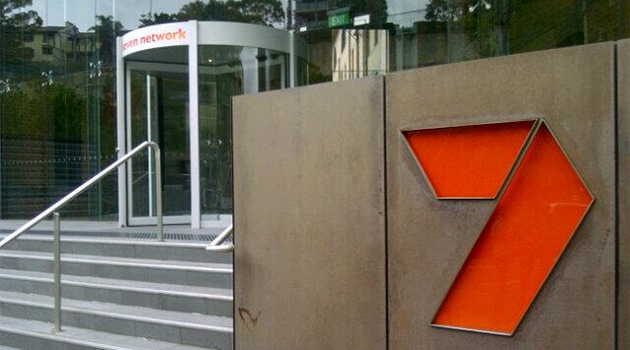
Seven West Media has posted a $149.2 million profit for 2013/14, aided by cost cuts and improved television earnings which helped it turn around its $70 million loss a year earlier.
The media group, which owns the Seven television network, suffered a 1.2 per cent slump in revenue to $1.84 billion.
Seven West chief executive Tim Worner said the result, which was ahead of the company’s guidance, was “a positive result in challenging market conditions”.
He said the 2013/14 year had been focused on “laying the foundations for future growth in our business”.
“Our market positions are strong and getting stronger,” he said.
The company’s result for the year to June 28, 2014, was hit by an $87 million impairment charge predominantly from a writedown of the value of its Pacific Magazines mastheads, goodwill and licences.
Seven West’s television revenue rose three per cent to $1.31 billion, accounting for over 70 per cent of the group’s revenue.
The newspaper and magazines businesses suffered revenue declines in a tough advertising market.
Revenue for The West Australian newspaper dropped 12.4 per cent to $265.4 million and earnings dropped 23.9 per cent to $65.9 million.
You might like

Pacific Magazines revenue dropped 7.3 per cent to $237.5 million, with the company saying the rate of decline had slowed from the 11 per cent revenue fall in 2012/13.
Seven West announced a dividend of six cents a share fully franked, unchanged from a year earlier.
In other financial results posted on the stock exchange, Westfield‘s new Australian spin-off said it expects continued income growth from its shopping centres as specialty retailers boost their sales.
Scentre Group operates 47 Westfield shopping centres in Australia and New Zealand.
A $70 billion restructure in June saw it separated from Westfield Corporation, which owns the higher growth international business.
Scentre chief executive Peter Allen said the company’s centres are at almost full occupancy, and sales from specialty retailers grew by 3.3 per cent during the six months to June.
That contributed to net operating income growth of 2.3 per cent in the half year to June 30.
The company expects income to grow at between two and 2.5 per cent in the second half of 2014.
Allen said sales from specialty retailers, including fashion, jewellery and homewares stores, grew by five per cent in July, and the outlook was positive after some difficult years.
Housing market recoveries in Australia and the US have helped building products maker Boral achieve a near 200 per cent net profit increase.
The company on Wednesday announced a net profit of 173.3 million for 2013/14, up 182 per cent from the previous year, when it made a net loss of $212 million.
Total revenue was down 1.6 per cent to $5.204 billion, from $5.287 billion in the previous year.
Stay informed, daily
Boral chief executive officer Mike Kane said the company’s restructuring efforts as well as strengthening housing markets in Australia and the US had helped delivered a positive result.
“Our focus on improving the underlying performance of Boral’s businesses through restructuring and portfolio realignment is delivering clear benefits to the business,” Kane said.
“Together with the ongoing housing market recovery in the USA, improved housing activity in Australia and continued growth in Boral’s markets in Asia, these benefits contributed to Boral’s stronger result.”
Engineering giant WorleyParsons’ full year profit has fallen 23 per cent to $249 million as it tries to improve margins.
The company said the profit decline was due to a downturn in its Australian business.
Revenue rose nine per cent to $9.58 billion.
The company expects global spending on hydrocarbons for full year 2015 to be flat compared with the previous year as capital is directed to completing projects already underway.
Chief executive Andrew Wood said earnings for the year to June 30 were in line with guidance issued in November 2013, excluding the impact of costs of the organisational restructure.
“Aggregated revenue and net profit after tax were down when compared to full year 2013 primarily due to the downturn in the Australian business,” Mr Wood said.
Aggregated revenue fell three per cent to $7.36 billion.
The company said key markets continued to present challenges, including increasing competition and customers delaying commitments to new developments.
“We have taken decisive action to improve margins and ensure the business is responding to market conditions and our customers needs,” Mr Wood said.
The company will pay a final dividend of 51 cents per share.
Flight Centre said it expects to grow its pre-tax profit by up to eight per cent over the next 12 months despite taking a hit from cheaper airfares and a downturn in consumer spending following the federal budget.
The company’s net profit fell 16 per cent to $206.9 million for the year to June 30, after being hit by one-off writedowns and $11 million in fines from the Australian Competition and Consumer Commission.
Want to see more stories from InDaily SA in your Google search results?
- Click here to set InDaily SA as a preferred source.
- Tick the box next to "InDaily SA". That's it.