Australian fighters in Iraq pose “danger”

Foreign Minister Julie Bishop says Australians who have learnt “the terrorist trade” while fighting with Middle Eastern militant groups will pose a clear and present danger if they return home.
After receiving an intelligence briefing on Thursday, Bishop said authorities still believe about 150 Australians had fought or still were fighting with opposition groups in Syria and beyond – and some had moved from supporting moderates to extremists such as Islamic State of Iraq and the Levant (ISIL, also known as ISIS).
The Sunni militant group has taken over key cities in northern Iraq and is in striking distance of the capital Baghdad, with the federal government worried Australians may now be involved in the fighting.
Bishop said she was “deeply concerned” about the threat those fighters could pose when they return to Australia.

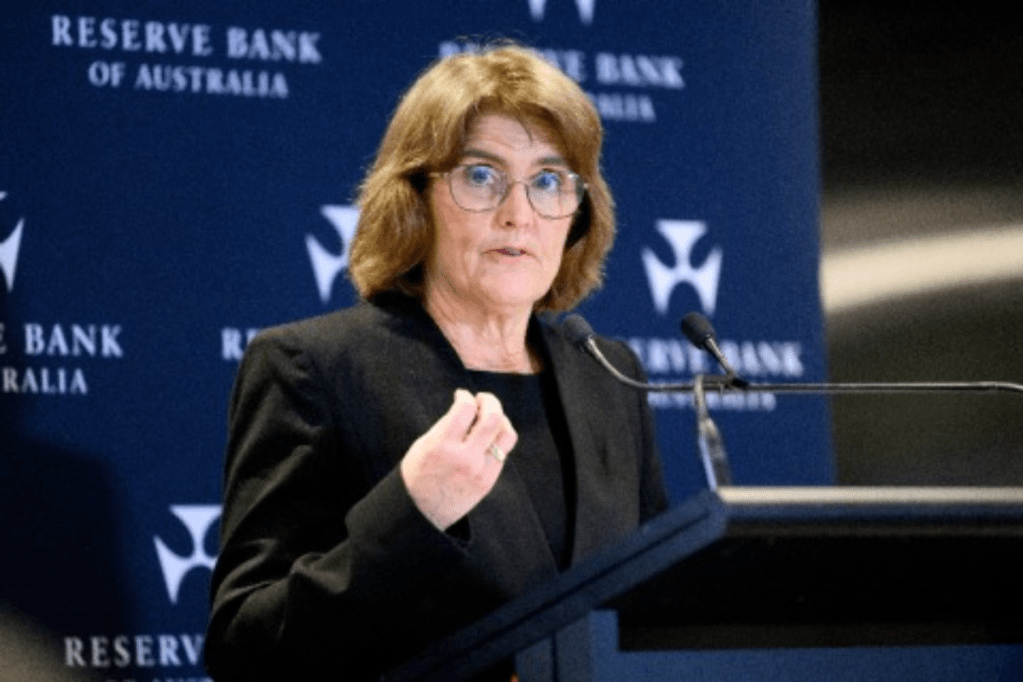
“We are concerned that Australians are working with them, they’re becoming radicalised, learning the terrorist trade, and if they come back to Australia of course it poses a security threat,” she told ABC radio.
“We’re doing what we can to identify them. I have cancelled a number of passports on the advice of our intelligence agencies.”
Bishop on Thursday announced Australia would provide $5 million in humanitarian assistance to help in Iraq, with the money going to the UNHCR and World Food Programme.
There had been no request for assistance from the Iraqi government, she said.
Asked if Australia should support the regime of Nouri al-Maliki, whose Shia-led government is accused of fanning anti-Sunni sectarian violence in Iraq, Bishop admitted it was “not a good government”.
Stay informed, daily
“It is the only government in place in Iraq at present,” she said.
“He’s (al-Maliki) now calling for national unity, but that’s a start. We need to see a political solution because a military solution could be catastrophic.”
Labor’s foreign affairs spokeswoman Tanya Plibersek described returning Australian fighters as a “very serious risk”, and says she supports government efforts to stop the threat.
Overseas fighters returned well trained, radicalised, and with a “sick sort of street cred”, she said.
“That allows them to convince other impressionable young people that perhaps going to fight is a good idea, or perhaps committing crimes here in Australia might be a good idea,” she said.
Want to see more stories from InDaily SA in your Google search results?
- Click here to set InDaily SA as a preferred source.
- Tick the box next to "InDaily SA". That's it.