The value of aquaculture production in South Australia increased by 6 per cent – or $14 million – in 2012-13, according to new figures.
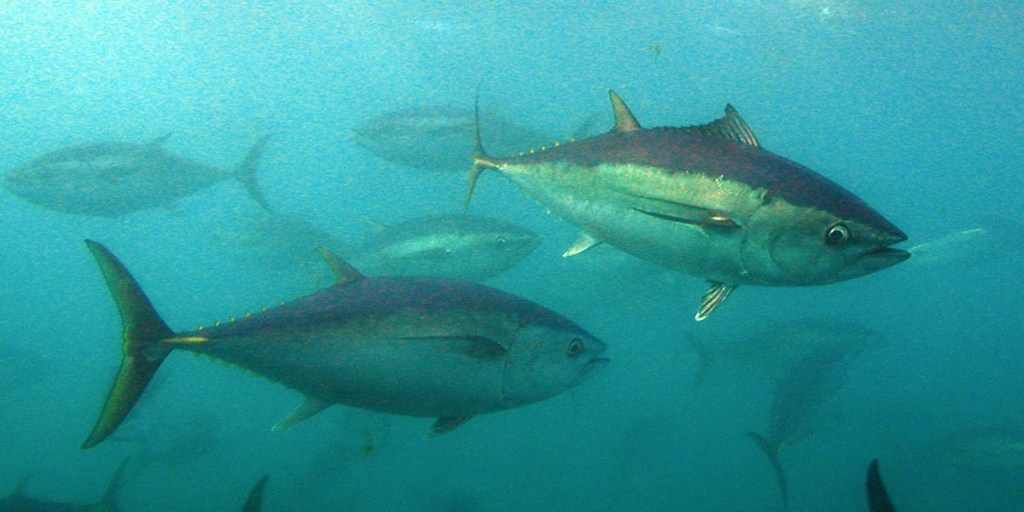
The latest report on the Economic Impact of Aquaculture on the South Australian State and Regional Economies says the sector is now worth more than $243 million to SA’s economy, with southern bluefin tuna and oysters leading the growth.
Acting Agriculture, Food and Fisheries Minister Gail Gago said the figures showed aquaculture had a bright future.
It now accounts for more than half the state’s seafood production.

“The aquaculture sector directly employs more than 1200 full-time jobs, and almost 1400 flow-on jobs,” Gago said.
“About 57 per cent of these jobs are in regional areas, predominantly the Eyre Peninsula region, meaning aquaculture truly is one of the great success stories of regional employment and innovation.”
Southern bluefin tuna makes up 63 per cent of SA’s total value of aquaculture production, with tonnage harvested rising by 6 per cent in 2012-13. It is followed by oysters (15 per cent), algae, finfish, mussels, abalone and crustaceans.
Around 2000 delegates from around the world are attending the World Aquaculture Adelaide conference this week at the Adelaide Convention Centre.
Michael Schwarz, the outgoing president of the World Aquaculture Society (WAS), told the conference that aquaculture was the fastest-growing food-producing sector globally, producing almost 70 million tonnes a year.
Stay informed, daily
Keynote speaker José Villalón, corporate sustainability director at Nutreco in The Netherlands, said the industry could be crucial in feeding the world’s growing population, with fish converting a greater proportion of the food they eat into body mass than livestock.
“However, although farmed fish may convert food more efficiently than livestock, we are still dependent on the global management of common natural resources, the small pelagic fisheries for fish meal and oil, as a component of feed.
“This is the most obvious dependence on natural resource sustainability for the success of aquaculture. However, like other food systems, water quality, climactic stability, soil vitality and other environmental resources must be managed better by humans to meet our future needs in a way that allows the true renewability of the Earth’s resources to be used responsibly.
“The private sector has a central role to play in sustainable aquaculture development – and it is in the best interest of industry and its ‘bottom-line’ to do so.”
Want to see more stories from InDaily SA in your Google search results?
- Click here to set InDaily SA as a preferred source.
- Tick the box next to "InDaily SA". That's it.