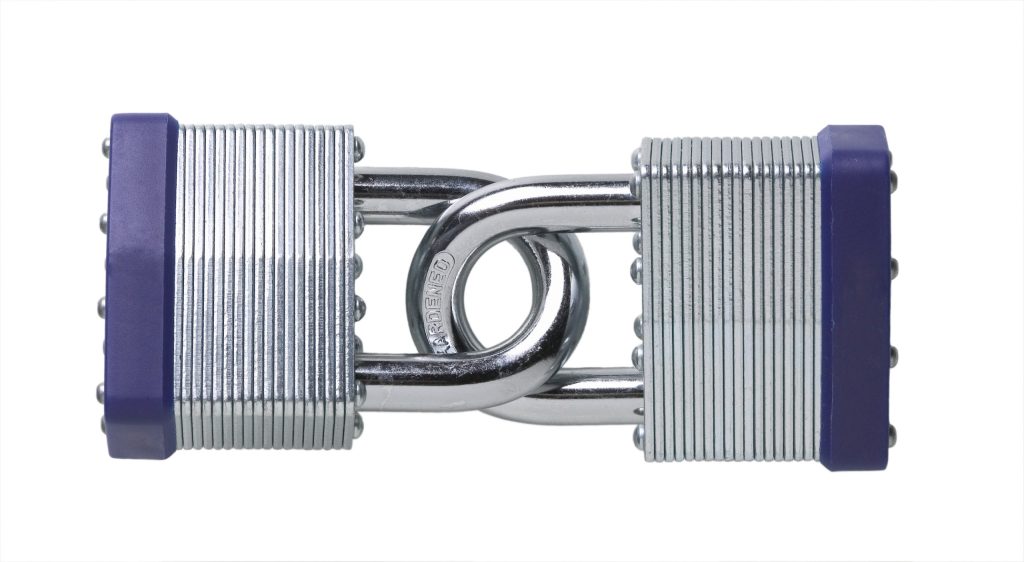
While the value of intellectual property (IP) can be difficult to quantify, protecting inventions, designs, images, symbols and logos, as well as systems, processes, business plans, and customer lists – all of which constitute IP and the ‘knowledge economy’ – developed by individuals or businesses is critical.
The World Intellectual Property Organisation reported in 2012 that IP patent filings were at their strongest rate of growth in 20 years. More than 8.6 million patents are in force worldwide. Following the global economic crisis, this news is encouraging for the economy as it demonstrates growth especially in areas such as clothing, agriculture, research and technology sectors.
IP is protected by law, however according to the Association of Certified Fraud Examiners (ACFE), IP theft and fraud is more prevalent than ever.
The cost to businesses around the world is in the billions of dollars each year in terms of lost revenue. Consumer prices are driven up. Jobs are lost. Tax revenues are also lost. Product quality is impacted and, in some cases, public safety can be placed at risk.
IP can also be vulnerable to organised criminal groups looking to profit from counterfeited goods or from aggrieved employees leaking sensitive information such as to competitors.
You might like


The seemingly endless invention of new ways to digitally store and transfer files means that sensitive business data can be copied into personal email accounts, smartphones, tablets, memory cards and cloud accounts.
A departing employee, for example, armed with nothing more than an email account or USB flash drive can pose a significant risk to a business, particularly if they are leaving to take on a role with a competitor or set up in direct competition.
Safeguarding business IP and confidential information is crucial to ensuring a business’s continued success, so understanding how to prevent information leakage, or quickly respond if IP leakage occurs, is fundamental to protecting a business.
Like other crimes, the process of investigating the theft of certain types of IP or other sources of confidential information involves the collection of evidence. One unique characteristic of IP theft is often the involvement of copyright and trademark owners who are required to furnish proof of their ownership of IP.
Stay informed, daily
This is essential to be able to demonstrate that IP has been stolen or counterfeited. According to ACFE, of IP fraud cases reported in 2012, only 40 per cent of IP owners were able to demonstrate evidence of their ownership.
To assist with safeguarding intellectual property, businesses should consider the following:
- Conducting an IP audit is a useful first step and should include reviewing human resources polices (such as background checks on employees), physical security and IP rights and safeguards relating to vendors, suppliers and other business partners
- Keeping an up to date IP inventory and having someone responsible for monitoring infringements and even the activities of competitors
- Having, and enforcing, no compete and strong non-disclosure agreements for key employees and business partners
- Securing premises and access
- Restricting the ability to download data from computer networks by creating individual user accounts for all employees. Having separate user accounts will control who can access business data by restricting access to drives and folders to specific user accounts. This will allow for management of levels of employee access and the monitoring of transfer of data by external media or email
- Restricting access to confidential or commercially sensitive information to selected employees
- Putting in place policies on the handling of confidential information, particularly relating to tenders, contracts, panel rates and schedules
- Restricting the use of external USB devices on work issue computers
- Legally protecting products or services by filing patents, copyrights or trademarks.
Are you protected against IP theft?
Our Forensic experts can assist you in responding to and preventing IP theft.

Ian Wigg
Director
Tel: +61 8 8407 7120
Email: [email protected]

Craig Bevan-Davies
Client Manager
Tel: +61 8 8407 7317
Email: [email protected]
Want to see more stories from InDaily SA in your Google search results?
- Click here to set InDaily SA as a preferred source.
- Tick the box next to "InDaily SA". That's it.