Giving children their say in the wake of disaster
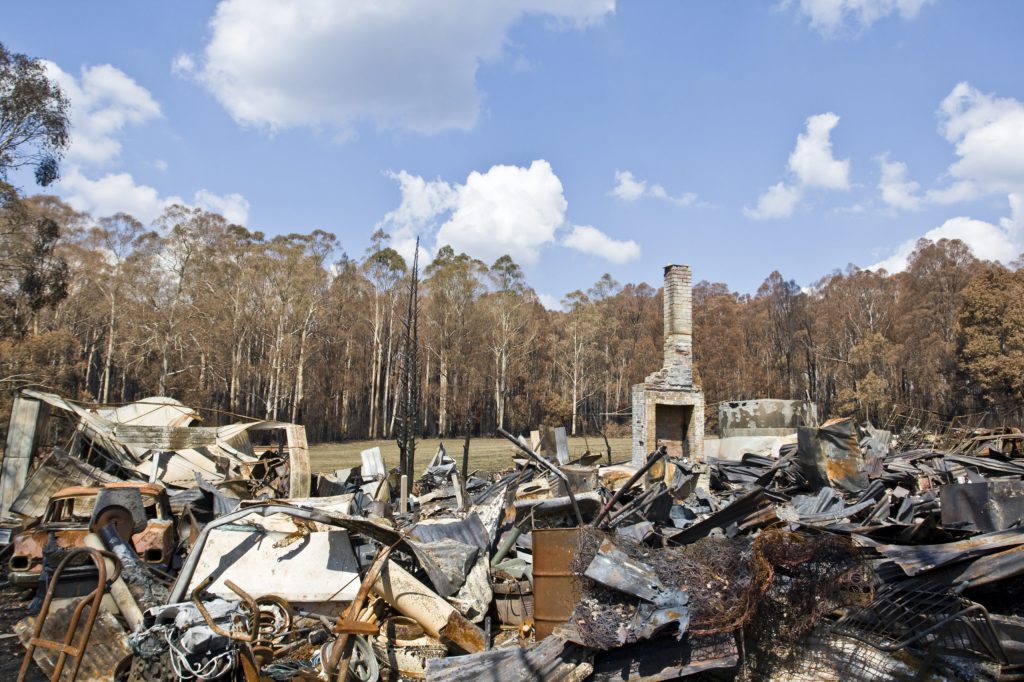
In the growing body of research that examines the experiences and needs of disaster victims, one group has been conspicuously absent from the studies: children.
Many researchers have tended to avoid interviewing children because of a perceived risk of stirring up feelings of trauma and anxiety, but now Flinders University Associate Professor Colin McDougall is urging researchers to include children by making use of a newly developed methodology that seeks informed consent from the children and involves them in the process.
Professor McDougall of Flinders University’s Southgate Institute of Health, Society and Equity, said while children are uniquely vulnerable to the trauma associated with disasters, it was important that their needs and views were not overlooked, and that they were allowed an opportunity to reflect on their experiences.
“Many researchers ask adults about children, rather than involve them,” Associate Professor McDougall said.

In a project with Dr Lisa Gibbs of the University of Melbourne and Scottish academic Dr Jeni Harden, Associate Professor McDougall undertook a literature review and consultation with experts to weigh up the relative risks and benefits of interviewing children.
He said discussions with numbers of post-trauma researchers in Australia and overseas suggested that it was appropriate and beneficial to engage children in research provided they understood what was being asked of them before they consented, and that they retained a sense of control.
Associate Professor McDougall and his colleagues then went on to develop methods for conducting post-bushfire research with children.
Associate Professor McDougall said the proposed research techniques involve allowing a child to take the role of tour guide while walking around an affected locality, photographing significant sites and ordering them to form the basis for a group discussion on the effects of the bushfire and the community response.
In a follow-up phase, researchers would return two years later to discuss the changes and progress made by the community, using the original photos as a stimulus.
Stay informed, daily
A key aspect of the approach is an inbuilt flexibility.
“We staged the research method so that children and their parents can choose the way that they are involved and the extent to which they are involved,” Professor McDougall said.
“What we are conveying is that if you are a good, ethical researcher, it is possible to involve children in research.”
Ultimately, Professor McDougall says that the knowledge gained from such research projects will inform practical strategies for schools, families and youth workers to help children build resilience and recover from disasters.
“Development of an ethical methodology for post-bushfire research with children” was published in Health Sociology Review.
Want to see more stories from InDaily SA in your Google search results?
- Click here to set InDaily SA as a preferred source.
- Tick the box next to "InDaily SA". That's it.