David Hicks appeals terror conviction
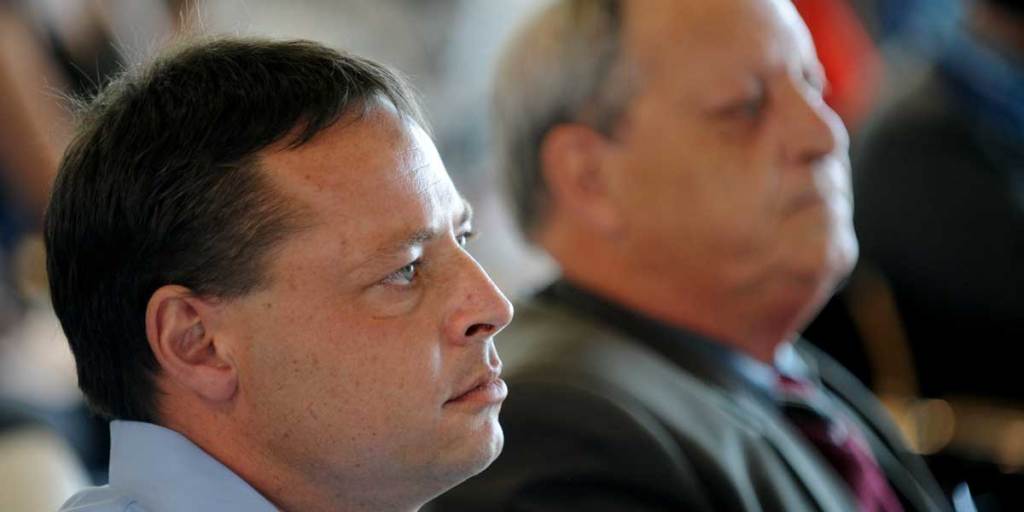
Former Guantanamo Bay detainee David Hicks says an appeal against his US conviction for supporting terrorism is an attempt to right the wrongs committed against him.
Hicks spent more than five years in Guantanamo Bay before being transferred to Adelaide’s Yatala Labour Prison in 2007. He was released later that year.
The 37-year-old South Australian says his admission of providing material support to terrorists – part of a plea deal to facilitate his transfer to Australia – was made under duress.
“The purpose of this action is to obtain formal recognition of my innocence so that the wrongs of the past committed against me can be righted, to put it all behind me and move on with my life,” Hicks told reporters in Sydney.
Justice, he said, was convincing authorities and the media he is innocent.
You might like

“To show that no crime was committed and to have you guys on board to say it was wrong,” he said.
“As long as we allow the Australian government to do this to citizens like myself and others, and not to do nothing about it, it’ll just happen to Australian citizens again.”
He does not expect help from the Australian government.
Lawyers for Hicks lodged the appeal papers in the US Court of Military Commission Review on Tuesday.
Stay informed, daily
His lawyer, Stephen Kenny, is seeking a summary dismissal of the conviction because the offence was not a war crime when Hicks was detained, and his guilty plea was made under duress.
“If a crime does not exist, how can you be convicted of it?” Kenny asked.
While the appeal is not expected to be successful, it will allow Hicks to move his appeal to the US civilian courts.
“I am not expecting justice to be done in the military setting,” Hicks said.
“But I have full faith in the civilian courts.”
Now working as a panel beater in Terrey Hills, in Sydney’s north, Hicks says he tries to live a normal life with his wife Lucy and friends and family, but is engaged in a lengthy process of self-healing.
He suffers post traumatic stress, nightmares, back pain and pain in one of his hands, which was broken during his detention.
A US court last year quashed a similar charge of material support for terrorism relating to Salim Hamdan, Osama bin Laden’s former driver.
Want to see more stories from InDaily SA in your Google search results?
- Click here to set InDaily SA as a preferred source.
- Tick the box next to "InDaily SA". That's it.