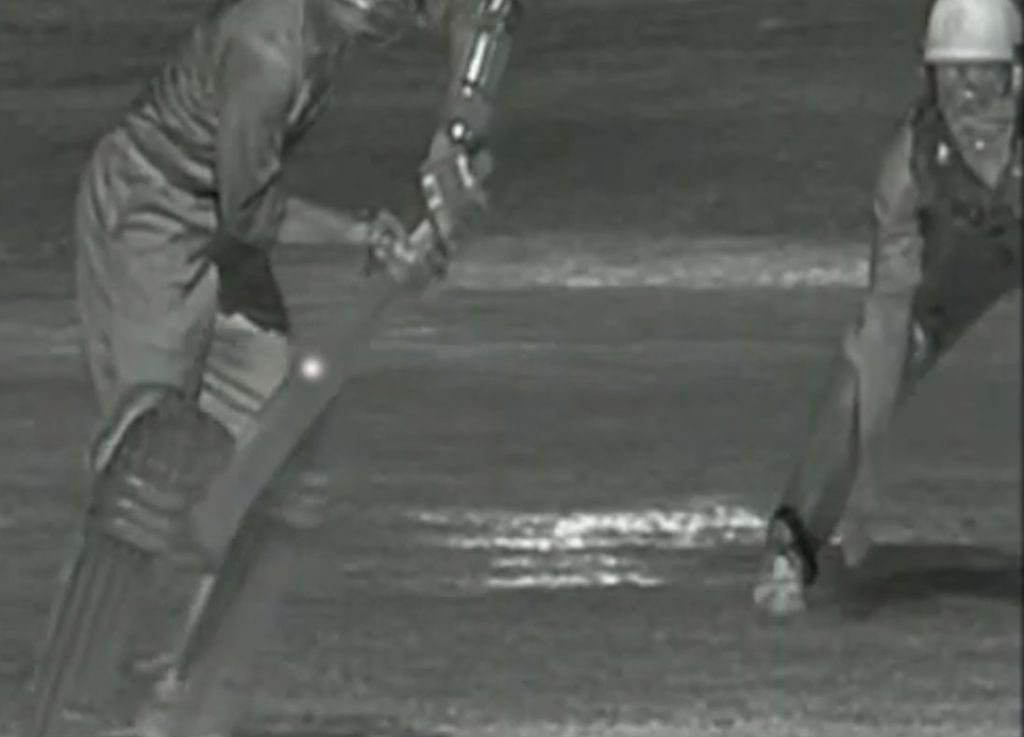
Controversial decision-review technology Hot Spot has been dumped by the Nine Network for the second leg of the Ashes.
The Australian inventor of the technology, Warren Brennan, confirmed to Fairfax Media that the infrared camera, which uses heat readings to detect ball contact, will not be used for the series in Australia, beginning in Brisbane on November 21.
Brennan said the broadcaster had a new deal with Cricket Australia, and the decision to axe Hot Spot was final.
The cost of the technology, about $250,000 for the Test series, is reportedly behind the decision, although problems during the first leg of the series in England were reportedly also a consideration.
The decision-review system came under heavy fire from both sides in England, with Hot Spot’s reliability one of the key complaints.
In response to the concern, the International Cricket Council (ICC) last month announced they had formed a working group to look at how to improve both DRS and the training of umpires.
You might like


The ICC also announced that team’s referrals would be topped-up to two reviews after 80 overs of an innings.
Hot Spot became a contentious issue in the recent Ashes series when the Nine network aired claims that players were using silicon coating to limit the effectiveness of the technology.
The claims caused their own hot spot which ended yesterday with news that England cricketer Kevin Pietersen had been awarded undisclosed libel damages over suggestions he had tampered with his bat during this year’s Ashes series against Australia.
An advertisement for opticians Specsavers showed a picture of the batsman alongside the statement: “‘Bat tampering’ in the Ashes? Apparently Hot Spot should’ve gone to Specsavers.”
The ad had rolled off the Channel Nine accusations that Pietersen used silicone tape to prevent the Hot Spot technology from detecting when he had hit the ball, but he denied the allegations.
Pietersen was not present for Tuesday’s hearing at London’s High Court, when his solicitor, Louise Price, told the court that the advert had appeared on Specsavers’ Twitter and Facebook pages, as well as in several newspapers and magazines.
Stay informed, daily
She said the allegations of bat tampering were both completely untrue and completely unfounded.
Specsavers Optical Group Ltd accepted that Pietersen had not behaved in the manner suggested.
The company, which had already removed the advert from circulation, apologised and agreed to pay him substantial damages and his legal costs.
In a statement the company said: “During the 2013 Ashes series we published a ‘Should’ve Gone to Specsavers’ advert which suggested that Kevin Pietersen may have tampered with his bat in an attempt to prevent Hot Spot technology working. We did not intend to imply this suggestion.”
So far there has been no comment from Channel Nine.
Petersen was outraged when the network linked his second innings dismissal at Old Trafford to long-standing questions over the Decision review System and Hot Spot technology.
Pietersen, tweeted at the time: “Horrible journalism yet again! My name brought up in hotspot crisis suggesting I use silicon to prevent nicks showing! Such hurtful lies.
“I am never afraid of getting out! If I nick it, I’ll walk. To suggest I cheat by covering my bat with silicon infuriates me. How stupid would I be to try & hide a nick when it could save me on an LBW appeal, like in 1st innings where hotspot showed I nicked it.”
Following the announcement of the payout, Pietersen said on Twitter that he would be donating the money to charity.
Want to see more stories from InDaily SA in your Google search results?
- Click here to set InDaily SA as a preferred source.
- Tick the box next to "InDaily SA". That's it.