Private health changes will hit everyone
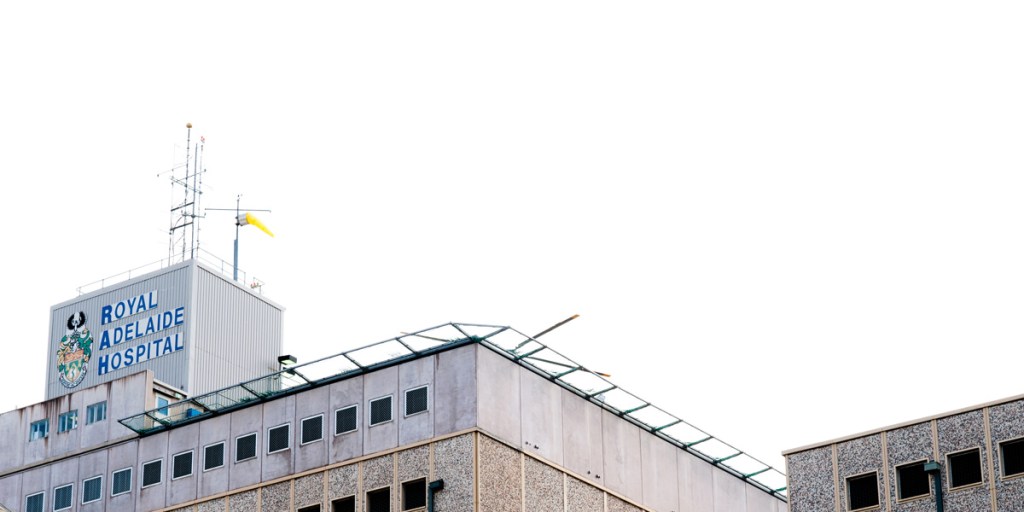
Against a backdrop of growing waiting lists in the public health system, and governments’ constantly striving to balance their health budgets, it’s a struggle to make sense of the recent changes to the rebate on private health insurance.
After all, this was a decision made solely by the Federal Government – the same level of government that purports to want to encourage people to be privately insured.
Most people who are privately insured will, by now, have been informed the rebate applied to the Lifetime Health Cover loading has been removed, which effectively means people who have been in private cover for less than ten years, will have to pay the difference.
In South Australia alone, 62,000 people are affected by the rebate reduction.
As the CEO of South Australia’s largest health fund I can tell you, the private health insurance industry has absolutely no discretion in relation to this loading. Since July 2000 we have been legally required to add the loading to the cover of anyone who took out private health insurance after the age of 30, with 2 per cent added for each year above that age.
Health Partners, a member-based, not-for-profit health fund, has campaigned strongly against the Government’s decision to remove the rebate on that loading and will continue to lobby for its reinstatement.
You might like

Health Partners has been looking after its members for 76 years, and the reason it has stood the test of time is because of its unwavering commitment to the provision of affordable, high quality health care, not profits. Yet, it now has to explain to its members why the Federal Government has again, hit them with a backhander.
This decision sends a mixed message to Australians who’ve taken responsibility for their future health needs, and it unwinds all the good work done to ease the burden on an overstretched public health system.
What the Federal Government’s cuts also do is create confusion and uncertainty, which may cause some people to reconsider their cover and effectively unwind years of contribution to private health insurance.
It’s a decision that has the potential to cause individuals and families long term health and pocket pain. After all, the real benefits of private cover are often only realised when someone faces an unexpected health challenge.
Dropping hospital cover may also, depending on income, result in a tax penalty, and the almost certain prospect of joining the public system’s ever-growing waiting lists.
Then there’s the cost to the public health system, if it is forced to cope with an influx of previously privately insured patients.
Stay informed, daily
Independent analysis found the Private Health Insurance rebate is only a small proportion of Government health spending and currently represents the same proportion of total health expenditure as it did in 2001.
Compare that with the rising cost of delivering health care, and I am left wondering just how long will it take before someone realises this decision is going to cost everyone.
Normal
0
false
false
false
EN-US
X-NONE
X-NONE
MicrosoftInternetExplorer4
/* Style Definitions */
table.MsoNormalTable
{mso-style-name:”Table Normal”;
mso-tstyle-rowband-size:0;
mso-tstyle-colband-size:0;
mso-style-noshow:yes;
mso-style-priority:99;
mso-style-parent:””;
mso-padding-alt:0in 5.4pt 0in 5.4pt;
mso-para-margin:0in;
mso-para-margin-bottom:.0001pt;
mso-pagination:widow-orphan;
font-size:10.0pt;
font-family:”Times New Roman”,”serif”;}
Byron Gregory is CEO of Health Partners, a not-for-profit South Australian private health fund.
Want to see more stories from InDaily SA in your Google search results?
- Click here to set InDaily SA as a preferred source.
- Tick the box next to "InDaily SA". That's it.