A history of drinking
How did the tradition of sitting together at a table and drinking wine begin? Philip White writes on the history of plonk the way he hopes it will be remembered.
I’ve been having a recurring dream. I’m sitting in the pastis bar on edge of the Rhône at Tournon, drinking the Ricard 51. Which number is an indicator of it alcohols. My companion is Lord Twining, noticeable for his full beard. He drinks the candle and sets fire to his face.
Can’t quite place it, but I have a nagging suspicion this happened, if somewhere else. Might have been in the Botanic in the noughties, when the ancient peer’s girlfriend often sat under the table. I don’t think it was sado-mas. She just seemed to feel safer down there when the table was awash. She was a tiny dancer. It woulda been safer.
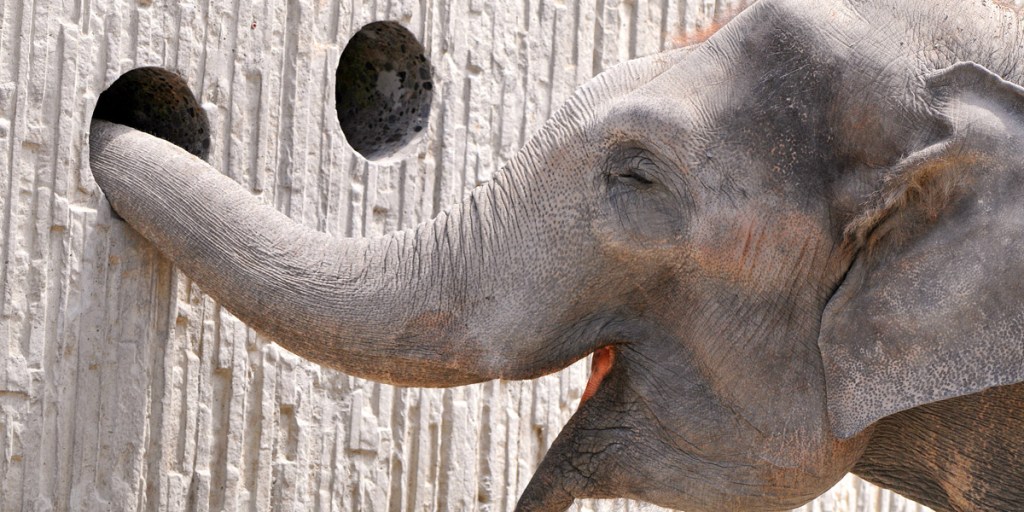
It started under the marula tree. My photographer mate, Milton Wordley suggested I write about why we sit around tables, drinking wine with each other. I always thought it would have been a very early mob of us watching the elephants get drunk after eating too much over-ripe marula fruit then drinking water so this king-hell ferment takes off in their giant gizzards and when we were gibbons or whatever we were we copied them and invented wine.
Because it looked like fun.
I was heartbroken to discover that the purist bastards at National Geographic calculated that it would take nearly two litres of pure ethanol to get a proper pachyderm tipsy, in which case it would take 27 liters of marula juice at seven per cent alcohol to come up with that much goonbag. They reckon an elephant would therefore have to guts at least 1,400 rotten boozy fruits to get shickered, which they think was below the style of your average tasteful elephant, who would of course prefer the fresher fruit.
I still reckon a good elephant could get a liking for the boozy fruit.
You might like


Somebody invented it. Humans couldna invented it. Humans copy stuff.
A camel can drink 120 litres of water in ten minutes, so I sort of trust the girth of the elephant to offer a much bigger tank, and if that was already fizzing with marula fruit on the turn …
"If elephants never got plonked, who the hell did we copy?"
I’m resistant to the suggestion that the recipe was written by a drinker. Given the lack of laptops and the way experimental drinkers work, I don’t believe an early convert to ethanol would have recorded the recipe. They were all far too busy developing the market. The recipe would have been written down by one of the forerunners of the National Geographic: some hornrimmed dude with a jacket full of pockets and pens and a keen sense of observation. A friggin wine writer! An early blogger would have got it published on the tom-toms of the day and it would have spread.
Five minutes later, everybody’s sitting round listening to the boom-boom glossies and they’re into gastroporn and drinking wine.
But now, it just can’t be accepted that an elephant could get properly plonked. Something obviously went wrong at the National Geographic. If elephants never got plonked, who the hell did we copy?
The really tricky bit of the history of booze is the emergence of the alembic. The still. When it became apparent that the primitive still could concentrate the colour black for al kohl, the concentrate of lead sulphide worn as eyeliner in north Africa, some clever nutter worked out that it could also be used for concentrating the fragrant essences of plants and their flowers to make perfume, which led to the next genius trying it on beer, or wine, to make what my Shetland grandmother daintily called spurruts.
Looks like the Irish pinched distillation from the Moors, while the Vikings found it in the Mediterranean and took it back up the rivers to Russia to invent vodka. Vodka, the water that does not freeze on that long cold row from Scandinavia to Iceland or further, like to the prime real estate developments of Greenland last time things warmed up.
Stay informed, daily
Or on that dragon boat of lads that set out from Bergen, Norway, to row to Shetland, missed it their vodka haze, and discovered America halfway through their hangover. Vinland, see. Rootstocks for 800 years later, when phylloxera ate Europe and the only way you could get vines to grow was to graft them onto American rootstocks.
So you could sit around the table together and drink.
If you had a barrel of water on the longboat, it would freeze, and there’s not much firewood in the North Atlantic Ocean to make a blaze – on the floor of your wooden boat – to melt it. If your vodka started to freeze, on the other hand, that indicated a fellow rower had taken more than a fair share and topped it up with rain.
Sharpen up the axes.
This is not what you’d call your actual history, but I long ago taught myself that history is gossip written by the winner, while gossip is history related by the loser. Both these theses are applicable here. The ethanol business, that vast tentacular money-making beast which writes all the history because that’s what it actually did, actually does write the history.
Gossip? Since the great newspapers carked and spat all their wine writers against the internet, where many of then will not stick, the wine bloggers run the gossip.
This is of course unacceptable and totally out of control.
But your actual spread of folks sitting round a table drinking starts in ancient China and Phoenecia and the old Greece and Caucasian Georgia, and if Mr Miles the Poetry Editor forgives me for crossing his patch, I’d like to give you a good old Viking poem, written by the Icelander bard Snorri Sturlosson nearly a thousand years ago.
Röst gefr ödlingr iastar
– öl virdi esvá – fyrdum.
Thögn fellir brim bragna
– biórr forn er that – horna.
Máls kann mildingr heilsu
– miödr heitir svá – veita.
Strúgs kemr í val veiga
– vín kallak that – galli.
Which means that while the boss Viking gives floods of fresh yeasty ale to the troops they prefer the older lagered beer in their horns. To get them back on the conversational track, the King pours mead. But to really have the whole saga sung, he pours wine, and guarantees dignity’s destruction.
Which is bad news for blokes like John Rau, the attorney-general who tries hard to sort out our vicious drinking laws by weaning us off the spurruts and onto the more genteel vinous bevvies.
Add this hard intelligence to what he’s learnt from the Georgians, the Phoenecians, the Greeks and the good folks round at Pernod-Ricard, who just happen to own Jacob’s Creek, and we sort of wobble straight back into Milton’s initial query about why we sit down together at tables and drink.
Blame it on the elephants, I say. If you need any clarity, first extinguish the candle, then ask Lord Twining.
Want to see more stories from InDaily SA in your Google search results?
- Click here to set InDaily SA as a preferred source.
- Tick the box next to "InDaily SA". That's it.