Bank sting in Treasurer’s statement today

Treasurer Chris Bowen will release the federal government’s economic statement in Canberra early this afternoon.
The economic statement will include a new levy on the banking industry, an increase in tobacco excise and reportedly more help for the car industry.
There are expectations that the economic statement could reveal a $30 billion black hole in revenue
The confirmation that the statement will be issued on Friday has added to speculation that Prime Minister Kevin Rudd could call the election this weekend.
The 0.05 per cent insurance levy on deposits up to $250,000 to protect depositors against bank collapses.
You might like

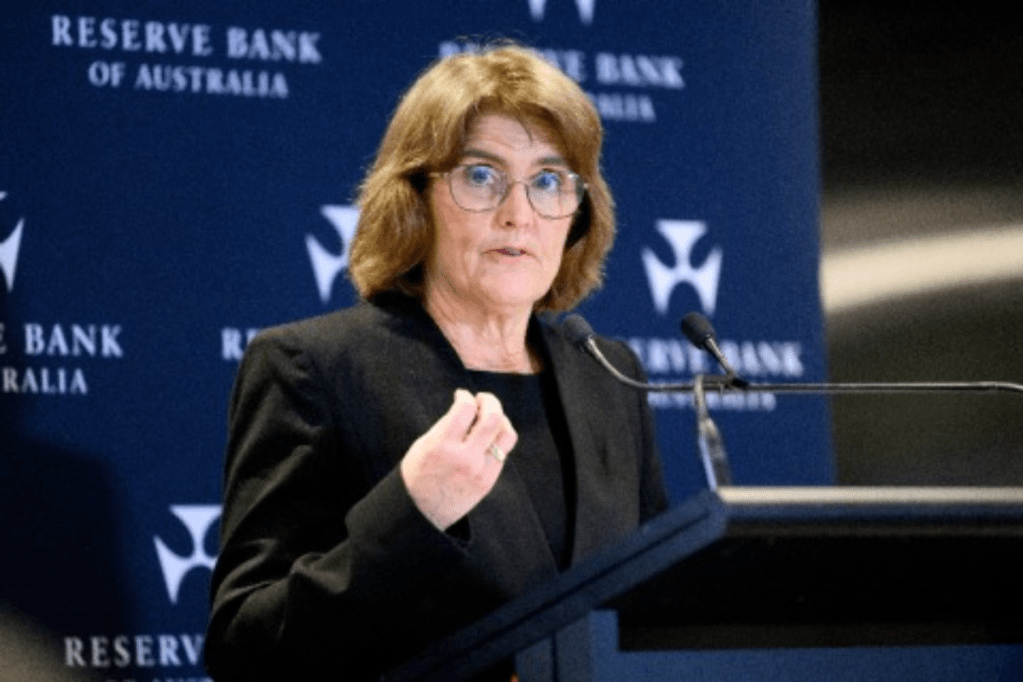
Cabinet minister Tanya Plibersek says the IMF had identified this was a gap in the Australian banking system.
“If you’re talking about a small impost like that to secure our banking system, it’s probably a good investment,” Plibersek told the Nine Network.
The Opposition’s Malcolm Turnbull said the levy should not be added to government revenue.
“If it’s going to fund the deposit guarantee it should be going into a separate escrow fund and not be part of the government’s revenues that it can use for all of its other expenditures,” Turnbull said on the Nine Network.
Stay informed, daily
“It seems to me to be just, apparently, just another tax.”
The government is expected to unveil details of a new levy on deposits, which has already proved unpopular with the banking sector.
The Australian Bankers Association head Steven Munchenberg said he knew this plan was being considered, but was disappointed it was going ahead.
“We had had some indications from the government that they were thinking about this, but it was only yesterday afternoon that we were told it was going to be happening,” he told ABC Radio on Friday.
The levy will start in 2016 and will be set at 0.05 per cent on deposits of up to $250,000, ABC News reports.
It’s expected to raise nearly three-quarters of a billion dollars in government revenue in its first 18 months, with the extra cash to go into a fund to protect people’s savings.
Munchenberg said the fund wasn’t necessary, as Australians’ savings were already well protected in a robust and secure banking system.
The extra costs borne by banks would most likely be passed onto customers, he added.
“This is simply a cost on Australians that is not really going to deliver any benefits in terms of what is already a very stable and safe system.”
Want to see more stories from InDaily SA in your Google search results?
- Click here to set InDaily SA as a preferred source.
- Tick the box next to "InDaily SA". That's it.