SA construction sinks to national low
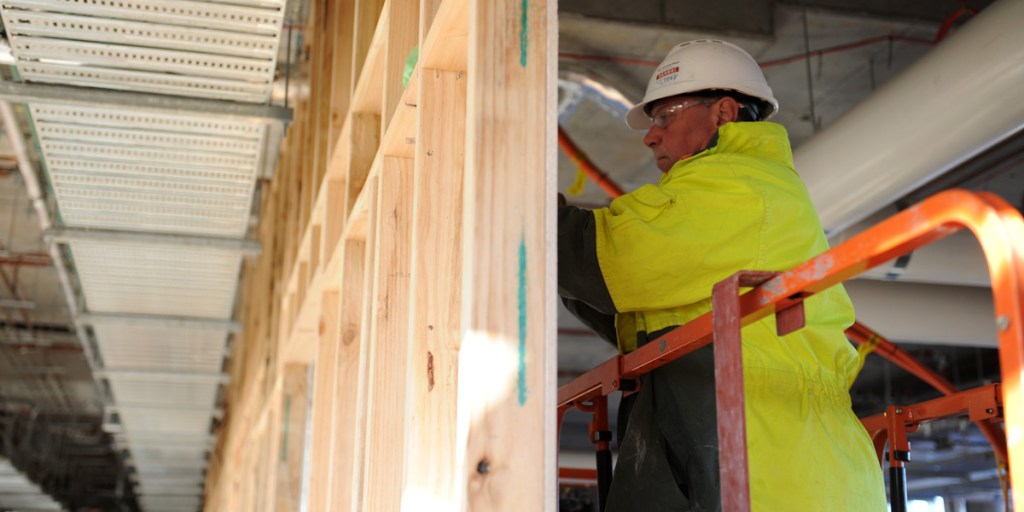
Engineering construction work underway in South Australia has slumped by more than 25 per cent in the last year, a major economic report said today.
The SA decline is the worst of all the states and territories for the period from June 2012.
“The past year tore shreds off the value of engineering construction work in South Australia,” said the Deloitte Access Economic Investment Monitor’s analysis for June 2013. “That said, there is a notable planning agenda for resource projects in South Australia – though no major projects have received the go-ahead of late.”
Investment under construction values have fallen from $13.6 billion to $8.89 billion in the last year.
The decline is more pronounced in the June quarter, with total investment in South Australia down 38 per cent since the March quarter.
On the national front, the construction sector has been unable to fill in the gap left behind by the mining investment slowdown, despite economic stimulus measures.
“The last few months could be seen as somewhat of a turning point for the Australian economy,” the Deloitte analysts said.
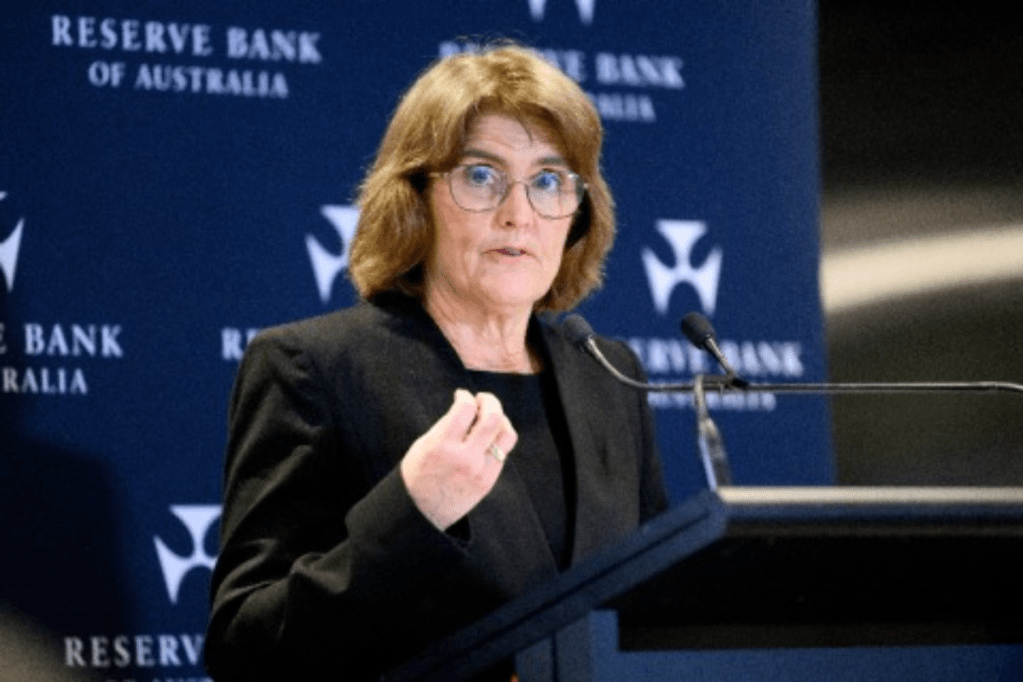
“The Reserve Bank cut official interest rates to the lowest level on record, citing below-trend growth and moderate inflation.
You might like

“The $A fell sharply, trading at around US 90 cents in mid-July, down from more than US$1.05 in mid-April.
“And the value of resources projects in the Investment Monitor database fell for a second consecutive quarter – the first such occurrence in a decade.”
The value of projects decreased by $51.8 billion to $877.1 billion – a 5.6 per cent fall from the March quarter of 2013 – to be 4.7 per cent lower than a year ago.
While the value of definite projects continued to grow, the value of planned projects in the database (those under consideration or possible) fell by $68.3 billion (or 14.3 per cent) compared to last quarter.
“The profile of work in the Investment Monitor database suggests a peak in activity through 2013-14 is likely,” the report suggested.
“Beyond that, the sheer volume of work in the pipeline means that a plateau may be in store.”
On the national front, the current level of spending is dominated by just seven huge LNG projects, and the further they progress the closer the peak in engineering construction activity becomes.
The report said it was unlikely that commercial construction projects would be able to fill the economic gap.
“With non-residential building approvals well below their pre-GFC levels, and with governments looking to constrain spending, this category of construction activity is looking increasingly unlikely to take over the mantle of growth driver for the Australian economy.
“Even with a relatively gradual decline in investment, there will be wider implications for growth.”
Stay informed, daily
Deloitte Access Economics estimates that over the three years to 2012-13, engineering investment spending contributed some 40 per cent of Australian economic growth.
From 2013-14 onward, that same category of spending is expected to subtract from growth, providing some key challenges for the economy.
South Australian projects that are still on the yet-to-be-approved list include the $3.2 billion Arckanringa coal project, the $2.5 billion Central Eyre iron project, and the $1.7 billion Fusion iron ore mine and port.
Other major resource projects in the pipeline include Rex Minerals’ $900 million Hillside copper-gold-magnetite project off the Yorke Peninsula.
The SA economy is being propped up by a range of publicly funded projects such as the South Road Upgrade program, the Adelaide Oval redevelopment, the government-underwritten New Royal Adelaide Hospital, the $200 million South Australian Health and Medical Research Institute (SAHMRI) and the $1 billion Tonsley Park redevelopment.
Smaller projects include a $35 million equine precinct, the $29 million Parks Community Centre redevelopment, and a $24 million upgrade of Victoria Square.
The pressures arising from the national decline in commercial construction have proved too much for a multimillion dollar electrical contracting business in Western Australia.
Global Electrotech was placed in administration last month, then in receivership shortly afterwards.
Managing director Damien Gardiner said the business lost out on two major jobs – one worth $1.5 million and another $2.4 million in revenue.
“In electrical contracting as a whole, or commercial and resources too, it’s just way too competitive,” he said.
“People are buying jobs over here. We’ve had to go down to zero margin on a couple of projects just to survive, and that was three years ago.
“Some other companies that have gone into liquidation are those we just couldn’t get anywhere near on pricing.
“The industry is a bit shot over here.”
Global Electrotech claims to be one of Australia’s largest service providers, with most of its work in the electrical contracting, fire and security systems areas, working for the commercial development and resources sectors.
The company at its height had 169 employees, although Gardiner said that number is down to 138 because, under administration, the business cannot sign more long-term contracts.
The collapse comes alongside several in the construction and commercial development industry.
Most recently, an air-conditioning business collapsed in Sydney, while a Brisbane-based fit-out business also faced administration.
Want to see more stories from InDaily SA in your Google search results?
- Click here to set InDaily SA as a preferred source.
- Tick the box next to "InDaily SA". That's it.