Schools key in solving Indonesian smoking epidemic
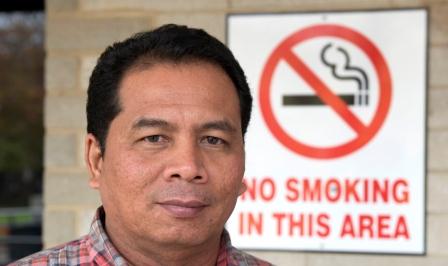
The dangers of smoking should be taught in all Indonesian schools in a bid to reduce the country’s high prevalence of tobacco-related morbidity and mortality, a Flinders University researcher says.
As part of his PhD in Public Health, Teuku Tahlil (pictured) has developed and analysed a series of school-based smoking education programs aimed at students aged between 11 and 14 years.
The three interventions – a health-based program focused on raising awareness about health risks and peer pressure, a religious-based program and a combination of the two – have been tested in a group of 477 students across eight junior high schools in the Indonesian province of Aceh.
Mr Tahlil said the religious-based intervention, which explores Islamic views on tobacco smoking, proved to be the most effective measure in increasing students’ knowledge about the risks of smoking and changing their smoking attitudes, intentions and behaviours.


“Aceh is a very religious area of Indonesia, in fact more than 95 per cent of the population in Aceh are Muslim, so the Islamic-based program seemed to resonate more with the students,” Mr Tahlil said.
“Religiosity is an important factor in health behaviours – it can give us a deeper encouragement to behave in certain ways and not do certain things,” he said.
“This might explain why the intervention using fundamental Islamic teachings was more influential than the health-based program.”
According to the World Health Organisation, Indonesia has the third-highest number of smokers in the world, with one in three Indonesians smoking daily. Aceh contains the highest percentage of smokers in Indonesia, accounting for about 80 per cent of the adult male population.
Mr Tahlil said although smoking was deeply engrained in Indonesian culture, education at a young age could be one of the best prevention measures.
Stay informed, daily
“People do it as a social thing. It’s also relatively cheap and easily accessible.
“Research shows people start smoking early in life so if we can reach kids in schools we might be able to reduce the prevalence when they’re most vulnerable.
“Any type of smoking prevention program will be beneficial because there currently isn’t anything like it in schools but my research shows tailoring such programs with participants’ religious background can improve the program’s effectiveness and acceptability.”
The study has just been published in the Asian Pacific Journal of Cancer Prevention and BMC Medicine.
Want to see more stories from InDaily SA in your Google search results?
- Click here to set InDaily SA as a preferred source.
- Tick the box next to "InDaily SA". That's it.